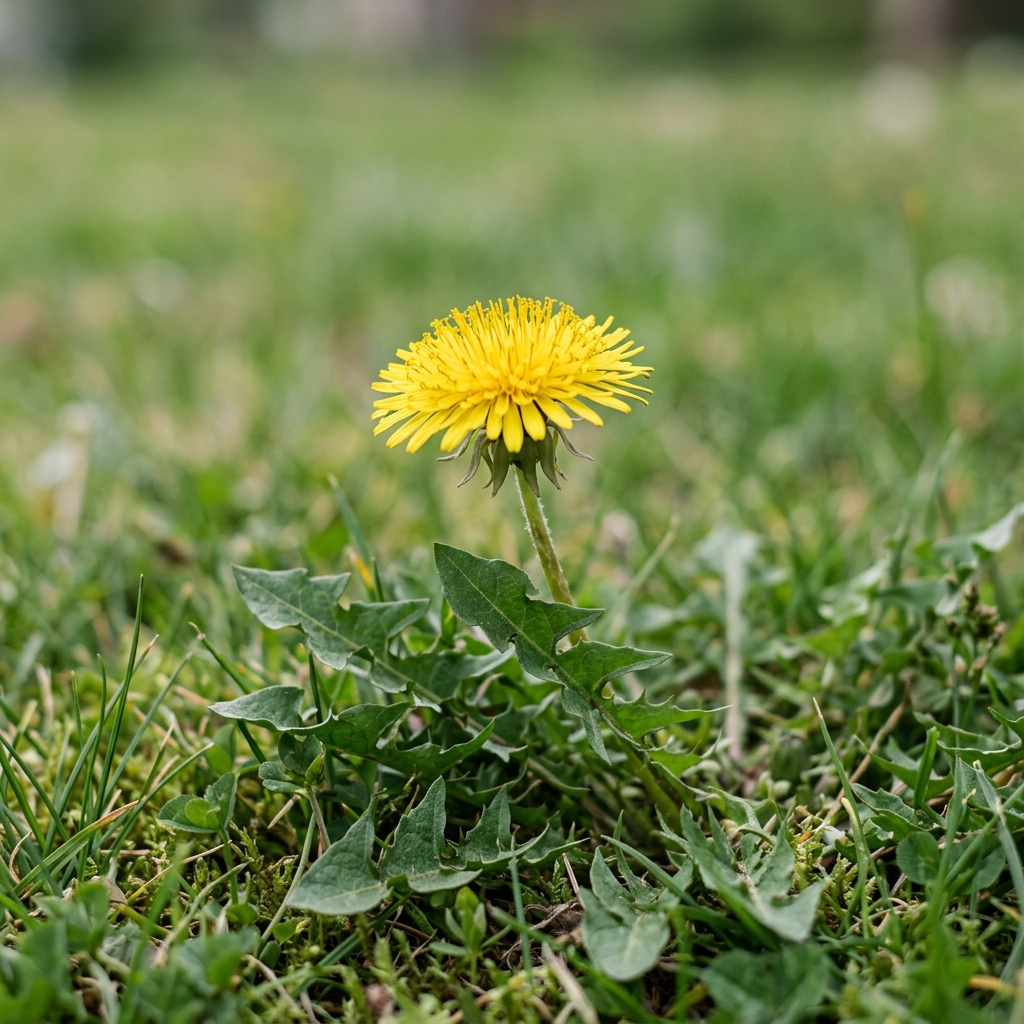
Urtica dioica

Stinging Nettle Identification & Control

Stinging Nettle is an exceptionally notorious yet highly valuable herbaceous perennial weed native to Europe, Asia, and western North America. Widely dreaded for its highly painful, burning sting upon skin contact, it thrives abundantly in rich, damp, nitrogen-rich soils, home gardens, and riverbanks. It features erect, square stems and sharply toothed green leaves covered in thousands of hollow, glass-like stinging hairs (trichomes) that inject a cocktail of irritating acids on contact, yet it is celebrated as a highly nutritious wild edible when cooked.


Sunlight Icon
Sunlight Full Sun to Partial Shade
Watering Icon
Watering Tolerance Moderate to High
Soil Mix Icon
Soil Adaptability Moist / Rich / Nitrogen-Rich Loam
Temperature Icon
Growth Temp 5°C - 30°C
Toxicity Danger Icon
Danger / Toxicity Stinging Hairs / Skin Irritant
Botanical macro photography of Stinging Nettle (Urtica dioica) - Plant AI care and control database

How to Identify Stinging Nettle

An erect, unbranched perennial with square stems, opposite sharply-toothed green leaves, covered in stiff, needle-like hollow stinging hairs.

  • Hollow Stinging Hairs: The square stems and leaf undersides are covered in dense, stiff, needle-like silica stinging hairs (trichomes) that act like tiny hypodermic needles.
  • Sharply Toothed Leaf Margins: Opposite green leaves (5 to 15 cm long) are heart-shaped or lance-shaped with deeply, sharply jagged (serrated) margins and pointed tips.
  • Upright Drooping Green Flowers: Small, inconspicuous green-to-yellow flowers blooming in long, dangling, branched clusters from upper leaf joints.
💡 Foraging Fact: Stinging Nettle is a superfood! Once boiled, steamed, or dried, the stinging silica hairs are completely dissolved and rendered harmless. The cooked greens taste like rich, nutty spinach, packed with iron, calcium, and vitamin A.

Complete Care & Management Guide

Access highly technical, scientific management directives to control or cultivate Stinging Nettle effectively.

Requires consistent moisture. It thrives in damp, wet, poorly drained soils, riverbanks, and overwatered garden beds. Allowing the top soil layer to dry out helps slow its spread.
Resistant to mowing. Regular mowing will clip the tall stems and limit seed formation, but the plant will quickly shoot up new stems from its creeping yellow rhizomes.
An extreme nitrogen accumulator. It thrives vigorously in rich, manure-heavy, and compost-rich soils, serving as a direct indicator of highly fertile garden ground.
Prefers Partial Shade to Full Sun. It easily colonizes damp, shaded orchard floors, shaded garden borders, and lawn edges beneath tree canopies.
Prefers moist, rich, organic loam and nitrogen-rich damp soils. It struggles heavily in dry, barren, sandy soils with low organic matter.
Spreads aggressively by seeds and creeping yellow rhizomes. A single plant can produce thousands of seeds, while the creeping roots form dense, connected colonies.
Highly cold-hardy perennial. Foliage dies back completely with winter frosts, but the creeping yellow rhizomes survive deep freezing easily, sprouting rosettes in very early spring.
Features an extensive underground network of bright yellow creeping rhizomes and fibrous lateral roots. Complete manual extraction requires digging out the root block carefully.
Occasionally targeted by nettle caterpillars and red admiral butterflies, though pests rarely cause structural damage to its highly robust creeping colony.
Subject to **Rust Fungus** and **Downy Mildew** in damp seasons, which slows down growth but rarely kills the deep, extensive yellow rhizomes.
To weed Stinging Nettle safely, wear thick leather gloves and long sleeves. Dig out the bright yellow creeping rhizomes completely, as any root fragment left in the dirt will sprout a new plant.

Is your garden showing sharply toothed leaves or painful stinging hairs?

Wear thick leather gloves, dig out the bright yellow creeping rhizomes, and boil leaves to dissolve stinging hairs.

Diagnose Weed Instantly

Common Diseases & Treatment

Nettle Burn Contact

Symptoms: Symptoms: Touching the stinging hairs triggers an instant, severe burning pain, followed by raised white itching bumps (nettle rash).

Action: Action: Apply sticky tape to the skin to pull out any remaining silica glass hair tips. Wash with soap and apply a baking soda paste.

Yellow Stolon Sprouting

Symptoms: Symptoms: Upright stinging stems sprout rapidly along a straight line, spreading through your vegetable beds.

Action: Action: Creeping rhizomes. Wear thick gloves, dig out the bright yellow rhizome chains completely, and mulch heavily with straw to smother new shoots.

Frequently Asked Questions

How does Stinging Nettle inject its sting?

The stinging hairs (trichomes) are hollow tubes made of silica (glass). The tips are extremely brittle. When you touch them, the glass tips snap off, leaving a sharp point that easily punctures the skin and injects a cocktail of formic acid, histamine, and acetylcholine.

What neutralizes Stinging Nettle sting organically?

Jewelweed leaves or Curly Dock leaves often grow near Stinging Nettle. Crushing these leaves and rubbing the juice on the rash acts as a highly effective, natural soothing poultice, neutralizing the formic acid.

Can I use Stinging Nettle in compost?

Yes! Stinging Nettle makes an outstanding compost activator. Because it accumulates high levels of nitrogen, iron, calcium, and magnesium, adding them to your compost pile dramatically boosts the nutrient quality of the soil.

What is the best way to pull Stinging Nettle out safely?

Wear thick leather work gloves and long sleeves; thin canvas gloves will not block the sharp silica needles. Grasp the stem near the base, pull straight up slowly to extract the yellow roots, and use a trowel to lift the horizontal rhizomes.

No more dying plants. Grow healthy greens today!

Get Started for Free