Shepherd's Purse Identification & Control
Shepherd's Purse is a highly prolific, upright annual broadleaf weed in the mustard family. Native to Europe but thoroughly naturalized globally, it is one of the most common weeds in agricultural fields, home gardens, and roadsides. Instantly recognizable by its highly unique, heart-shaped or triangular seedpods that resemble historical leather purses, it produces thousands of seeds and can complete its entire lifecycle in just a few weeks.




How to Identify Shepherd's Purse
An upright annual with a basal rosette of lobed leaves, tall slender stems with tiny white flowers, and distinctive heart-shaped, flat seedpods.
-
✔
Heart-Shaped Seedpods: Small, flat, heart-shaped or triangular seedpods (6 mm) arranged along the upper flower stems, looking like tiny pouches.
-
✔
Tiny White Flowers: Small clusters of tiny white, 4-petaled flowers (2 mm) blooming at the very tips of the tall, slender stems.
-
✔
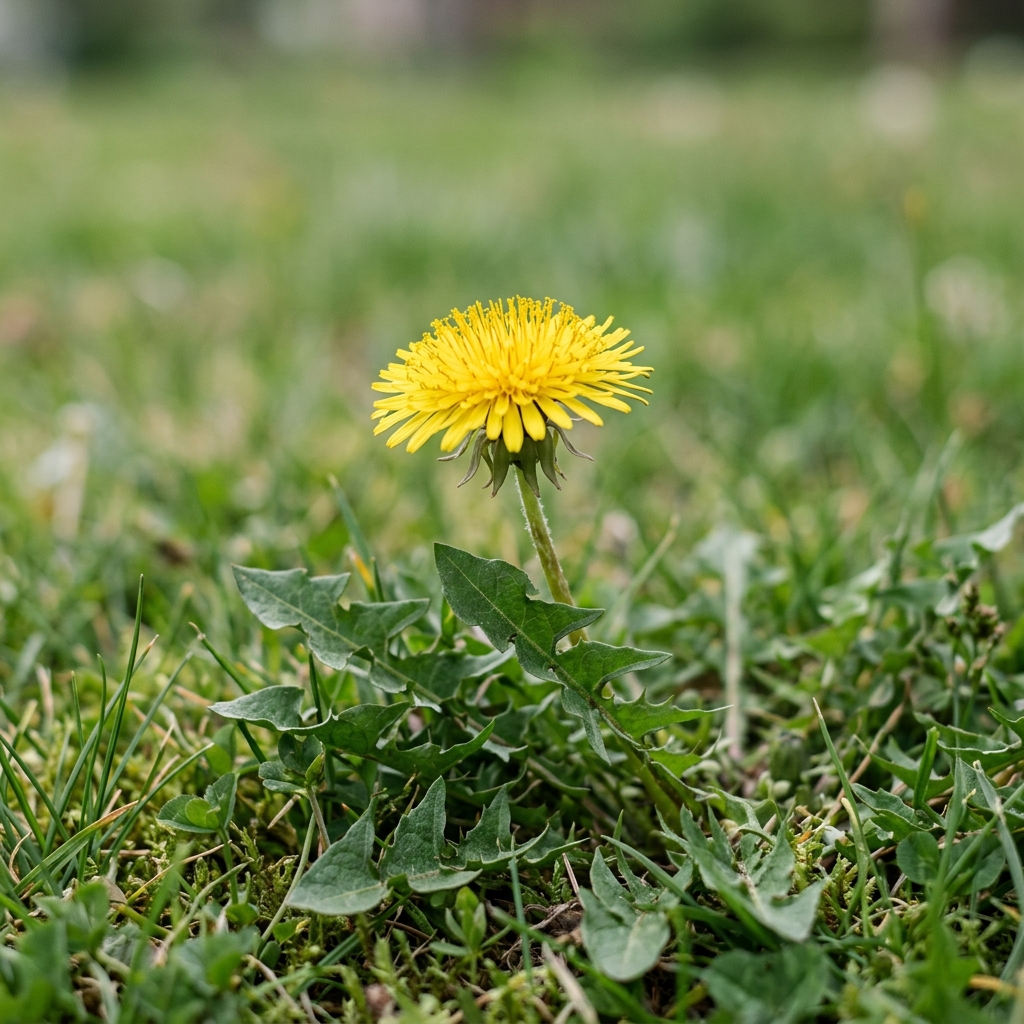
Lobed Basal Rosette: A flat rosette of deeply lobed, dandelion-like leaves at the base, from which tall, branched stems arise.
Complete Care & Management Guide
Access highly technical, scientific management directives to control or cultivate Shepherd's Purse effectively.
Common Diseases & Treatment
White Rust
Symptoms: Symptoms: Chalky white, raised pustules appearing on the leaves and stems, causing them to distort.
Rapid Seeding
Symptoms: Symptoms: The heart-shaped seedpods turn yellow-brown, dry, and split open, releasing thousands of tiny seeds.
Frequently Asked Questions
Why is it called 'Shepherd's Purse'?
It is named 'Shepherd's Purse' (Capsella bursa-pastoris) because the flat, heart-shaped or triangular seed capsules strongly resemble the traditional leather pouches or purses carried by shepherds in antiquity.
Is Shepherd's Purse edible?
Yes. It is a highly popular edible herb in East Asia (known as 'Jicai' in China). The young leaves have a pleasant, slightly peppery, nutty flavor, rich in vitamins. Traditionally used in stir-fries, soups, and dumpling fillings.
How long do the seeds survive in the soil?
The seeds are incredibly durable. They can remain dormant and viable in the soil for 30 years or more, germinating rapidly when the soil is tilled or disturbed and exposed to sunlight.
What is the best way to get rid of it?
Simply pull them by hand or scrape them with a hoe in early spring before the seedpods open. Applying a 2-inch layer of organic mulch to garden beds prevents light from reaching the seeds, stopping germination.