Quackgrass Identification & Control
Quackgrass, also known as Couch Grass, Quickgrass, or Witchgrass, is an exceptionally aggressive, invasive perennial grassy weed. Native to Europe but thoroughly naturalized globally, it is highly dreaded in home gardens and agricultural fields alike. Famous for its highly destructive underground network of creeping, sharp-pointed rhizomes, it forms vast, interconnected colonies. The plant actively releases allelopathic chemicals into the soil to stunt neighboring plants, and any broken rhizome fragment left in the dirt will rapidly regenerate.





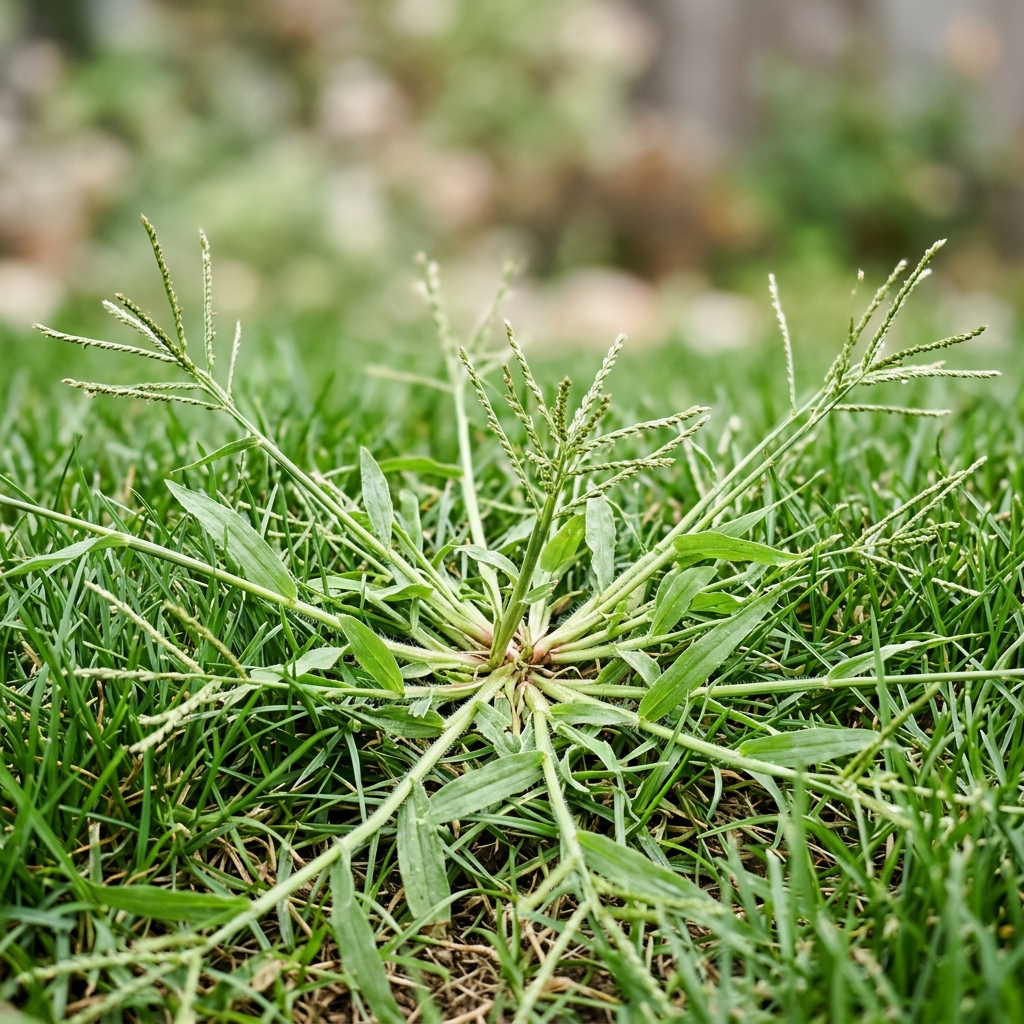
How to Identify Quackgrass
A coarse, upright perennial grass with wide, rough blue-green leaves, distinct claw-like auricles wrapping the stem, and sharp, straw-colored creeping rhizomes.
-
✔
Claw-Like Auricles: Features highly distinct, small, claw-like appendages (auricles) at the base of the leaf blade that wrap tightly around the stem.
-
✔
Coarse Blue-Green Leaves: Leaf blades are wide (up to 1/2 inch), coarse, and rough to the touch, with a distinct dusty blue-green color.
-
✔
Sharp Straw Rhizomes: Sharp-pointed, tough, yellowish-white underground creeping stems (rhizomes) capable of drilling through potatoes and plastic weed barriers.
Complete Care & Management Guide
Access highly technical, scientific management directives to control or cultivate Quackgrass effectively.
Common Diseases & Treatment
Ergot Infection
Symptoms: Symptoms: Seed heads develop dark purple or black, banana-shaped fungal structures instead of grain seeds.
Rhizome Regeneration
Symptoms: Symptoms: Dozens of new quackgrass shoots sprout rapidly along a straight line in a recently tilled garden bed.
Frequently Asked Questions
Why is Quackgrass so hard to get rid of?
Quackgrass spreads primarily through a vast, dense network of sharp creeping rhizomes. If you try to pull it, the roots snap, and any tiny rhizome segment left in the soil has the power to regenerate into a brand new plant.
What are auricles and how do they help identify Quackgrass?
Auricles are small, claw-like ear lobes located at the junction where the leaf blade meets the stem. Quackgrass has highly distinct, slender auricles that wrap around the stem like tiny claws, which helps distinguish it from other coarse grasses.
Does Quackgrass poison other plants?
Yes! Quackgrass is allelopathic. Its roots and rhizomes release natural toxic chemicals into the surrounding soil that actively stunt the growth and seed germination of neighboring garden flowers and vegetables.
What is the best way to kill Quackgrass in a vegetable bed organically?
Do not till the soil. Cover the infested bed with a layer of cardboard, overlap the seams by 6 inches, and cover with 4 inches of wood chips. Leave this sheet mulch in place for a full year to suffocate the deep rhizome system.