Prickly Lettuce Identification & Control
Prickly Lettuce, also widely known as Compass Plant, Milk Thistle, or Wild Lettuce, is an exceptionally common, highly resilient annual or biennial broadleaf weed in the aster family. Native to Eurasia but thoroughly naturalized globally, it is a common sight in gardens, pastures, and roadsides. Famed as the wild ancestor of our domestic garden lettuce, it features highly unique, deeply lobed leaves armed with a row of sharp, stiff spines along the central leaf vein underside, and vertical leaf alignment that acts as a natural compass.





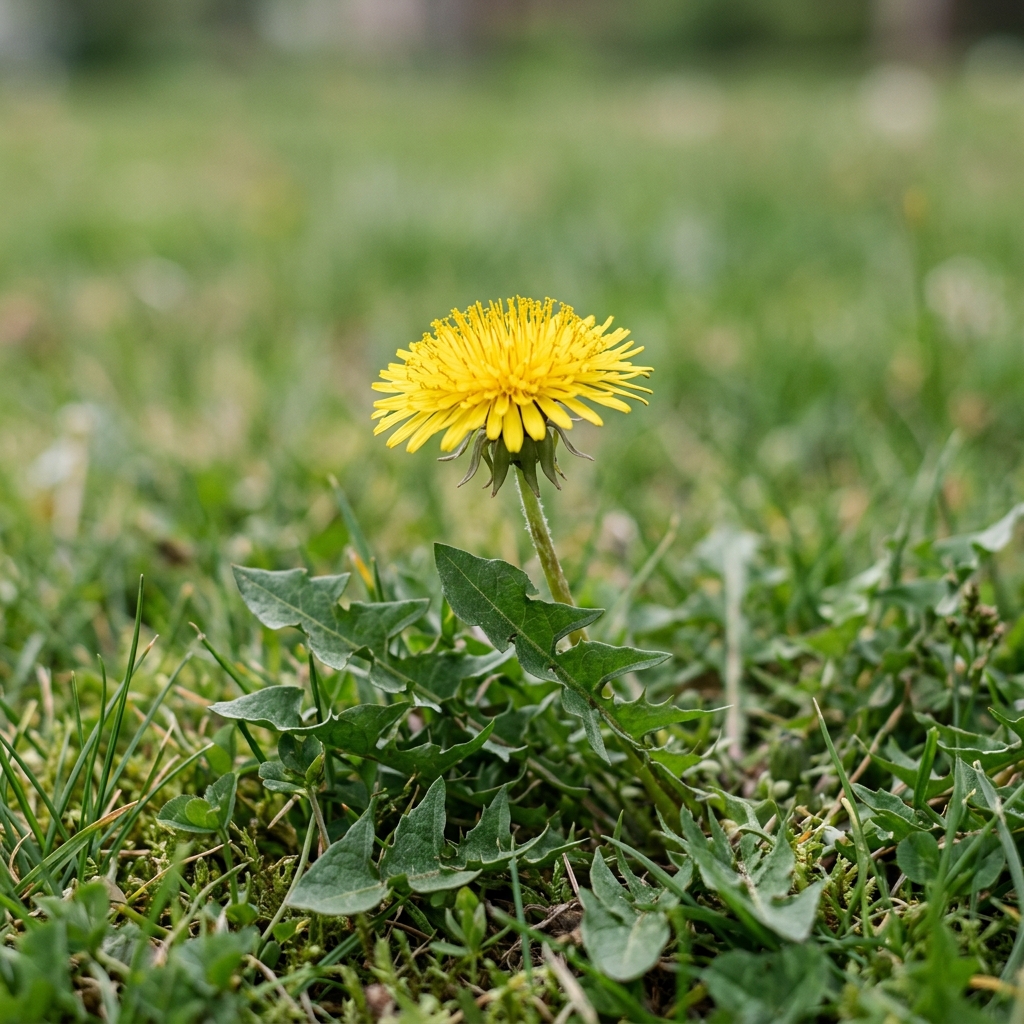
How to Identify Prickly Lettuce
An upright annual or biennial with a row of sharp spines on the leaf midrib underside, vertical leaves twisted north-south, and pale-yellow flowers.
-
✔
Spiny Leaf Midrib: The underside of the central leaf vein (midrib) is armed with a highly distinct, rigid row of sharp, stiff white-yellow spines.
-
✔
North-South Leaf Alignment: Stiff green leaves are twisted vertically at the base, aligning their flat surfaces north and south like a compass needle.
-
✔
Milky Sticky Latex: Cutting the stem or leaves instantly bleeds a thick, sticky, bitter white latex or milky sap that turns brown on drying.
Complete Care & Management Guide
Access highly technical, scientific management directives to control or cultivate Prickly Lettuce effectively.
Common Diseases & Treatment
Milky Latex Irritation
Symptoms: Symptoms: Cutting the weed bleeds white sap, causing mild skin redness and sticky brown staining on contact.
Deep Taproot Breakage
Symptoms: Symptoms: Pulling the spiny weed snaps the root, leaving a white-bleeding root core in the soil.
Frequently Asked Questions
Why is it called the 'Compass Plant'?
It is named the Compass Plant because its upper leaves twist vertically to align north-and-south. This allows the broad leaf surfaces to capture maximum sunlight in the cool morning and evening, while presenting only the thin leaf edge to the hot, direct midday sun, conserving moisture.
Is Prickly Lettuce related to salad lettuce?
Yes! Prickly Lettuce (Lactuca serriola) is the direct wild botanical ancestor of all cultivated salad lettuces (Lactuca sativa) we eat today. If you break the stem, the milky white sap contains lactucarium, which has mild sedative properties.
Is the milky white sap toxic to dogs?
Yes, if consumed in large quantities. The bitter milky latex contains lactucopicrin and lactucin, which can cause mild drooling, vomiting, lethargy, and heart rate drop in dogs and cats. Keep pets away.
What is the best way to get rid of it?
Wear protective leather gloves due to the spiny leaf veins. Use a sharp weeding fork to dig up the taproot crown in early summer. Regular mowing before it can shoot its tall yellow flower stalks prevents wind-dispersed seeding.