Toxicodendron vernix

Poison Sumac Identification & Control

Poison Sumac is an exceptionally hazardous, woody perennial shrub or small tree famed for causing skin rashes and blistering that are significantly more severe and painful than Poison Ivy or Poison Oak. Native to eastern North America, it grows strictly in wet, swampy, and waterlogged soils such as bogs, fens, and swampy forest margins. Every single part of the plant contains extremely high concentrations of **urushiol**, making it a major safety hazard in low-lying, wet landscaping margins.


Sunlight Icon
Sunlight Full Sun to Partial Shade
Watering Icon
Watering Tolerance High
Soil Mix Icon
Soil Adaptability Wet Saturated / Organic Bogs / Clay
Temperature Icon
Growth Temp 8°C - 35°C
Toxicity Danger Icon
Danger / Toxicity Highly Toxic / Severe Rash
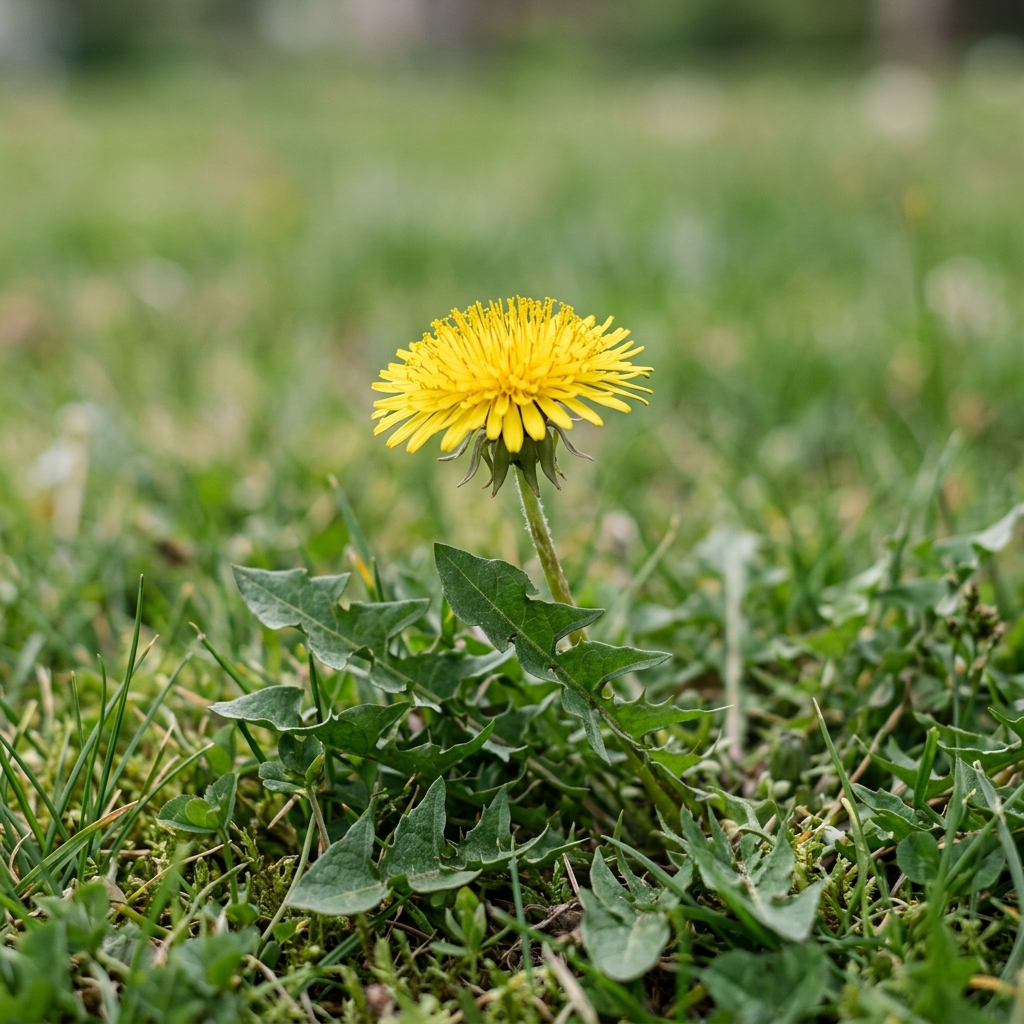
Botanical macro photography of Poison Sumac (Toxicodendron vernix) - Plant AI care and control database

How to Identify Poison Sumac

A tall woody shrub or small tree with compound leaves containing 7 to 13 smooth-edged leaflets, red leaf stalks, and drooping waxy white berries.

  • 7 to 13 Smooth Leaflets: Leaves are compound, divided into exactly 7 to 13 leaflets arranged in opposite pairs with a single terminal leaflet. The leaflet margins are completely smooth (no teeth).
  • Brilliant Red Leaf Stalks: The central leaf stem (rachis) and individual leaf stalks display a highly distinct, brilliant reddish-purple color.
  • Drooping Grey-White Berries: Sprouts clusters of grey-white, waxy berries that droop downward from leaf joints, unlike non-toxic sumacs which have upright red fuzzy berries.
⚠️ CRITICAL DANGER: Poison Sumac is botanically the most toxic plant in the Toxicodendron family! A tiny touch can cause severe, widespread skin blistering. It grows strictly in wetlands; if you find a sumac on dry sand, it is likely the non-toxic staghorn sumac.

Complete Care & Management Guide

Access highly technical, scientific management directives to control or cultivate Poison Sumac effectively.

Requires saturated, wet, or flooded soils. It thrives in standing water, swampy woodland borders, and low-lying pond margins. It struggles to survive in dry, sandy soils.
Extremely hazardous. Pruning or cutting poison sumac flings highly concentrated urushiol sap onto tools and clothing. Manual cutting requires strict chemical-resistant safety gear.
Highly adapted to low-oxygen, acidic wetland soils. It actively competes with native wetland vegetation, growing into a tall woody shrub up to 20 feet tall.
Prefers Full Sun to partial shade. It easily establishes along open, wet marsh margins where sunlight reaches the waterlogged soil surface.
Requires wet clay, swampy organic muck, peat bogs, and waterlogged loam. It cannot tolerate dry, well-drained sandy substrates.
Spreads via seeds. Wild birds eat the grey-white waxy berries and deposit the seeds along wetland margins, while the root system spreads locally.
A woody perennial deciduous shrub. Leaves turn a stunning brilliant red-orange in autumn and drop in winter, but the bare grey stems remain highly loaded with toxic urushiol oil all winter.
Features a shallow but tough, sprawling root network anchored to a thick woody crown in wet mud. Complete extraction requires digging out the root block carefully.
Rarely targeted by pests due to its toxic chemistry, which acts as a powerful natural pest deterrent.
Highly disease-resistant. It suffers virtually zero structural damage from natural plant diseases, maintaining highly aggressive growth.
To control Poison Sumac organically, wear thick long sleeves, long pants, and heavy chemical-resistant gloves. Carefully dig out the root crown, put all parts in a trash bag, and wash all clothing and tools with specialized urushiol-removing soap (like Tecnu).

Are your swampy yard margins showing smooth leaflets on red stalks or drooping white berries?

Wear heavy chemical-resistant gloves, dig out the woody root crown, and NEVER burn the plant.

Diagnose Weed Instantly

Common Diseases & Treatment

Severe Urushiol Contact

Symptoms: Symptoms: Touching any part of the sumac triggers extreme skin itching, followed by severe swelling, red streaks, and large oozing fluid blisters.

Action: Action: Wash the skin immediately (within 10-30 minutes) with dish soap and cold water, or specialized urushiol-remover Tecnu. Apply hydrocortisone cream.

Tree Growth Encroachment

Symptoms: Symptoms: Poison sumac grows into a tall 15-foot woody tree along your wet ditch margins, loaded with drooping waxy white berries.

Action: Action: Wear complete protective gear. Use a lopper to cut the trunk near the mud surface, and dig out the root crown completely.

Frequently Asked Questions

How is Poison Sumac different from non-toxic Sumac?

Poison Sumac grows strictly in wet swamps, has 7-13 smooth-edged leaflets on brilliant red stalks, and drooping waxy white berries. Non-toxic Sumac (like Staghorn Sumac) grows in dry soils, has toothed leaf edges, fuzzy twigs, and upright cone-like clusters of fuzzy red berries.

Why is Poison Sumac considered more toxic than Poison Ivy?

It contains a much higher concentration of soluble urushiol oil in its sap. The skin reaction to poison sumac is typically much more intense, causing deeper inflammation, faster blister formation, and widespread pain.

Can I get a rash from touching a dead Poison Sumac trunk in winter?

Yes. Urushiol remains active, sticky, and highly toxic on bare bark, roots, and dead stems for several years. Winter landscaping in swampy zones requires the same protective gear.

What is the best way to wash urushiol oil off my tools?

Wipe your gardening tools thoroughly with rubbing alcohol or mineral spirits, then wash them with hot soapy water. Urushiol is highly insoluble in water alone and must be dissolved with alcohol or degreasing soap.

No more dying plants. Grow healthy greens today!

Get Started for Free