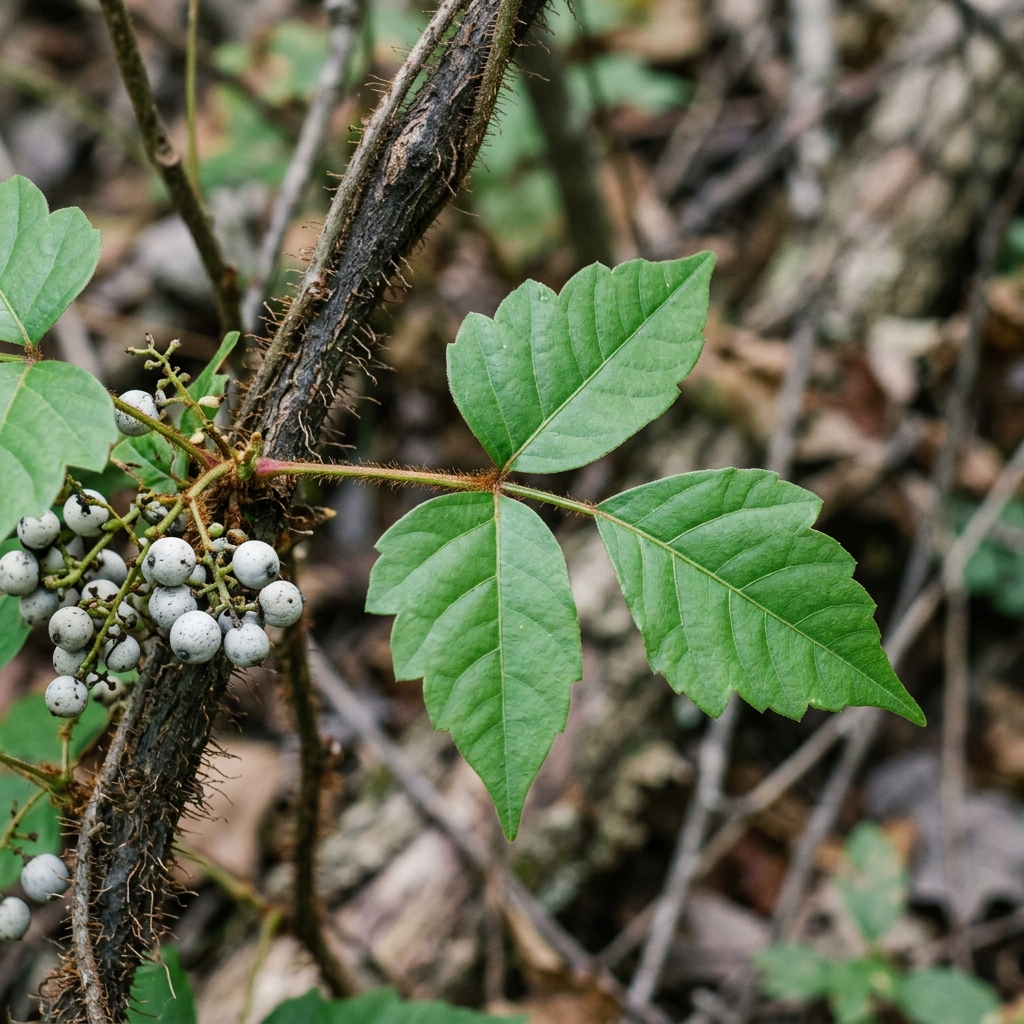
Ipomoea purpurea

Morning Glory Identification & Control

Morning Glory (specifically Common Morning Glory) is a highly aggressive, rapid-climbing annual twining vine in the Convolvulaceae family. Native to Central America, it is widely planted for its beautiful funnel-shaped flowers but has become a major agricultural weed and a severe pest in home vegetable gardens. It features hairy stems and heart-shaped leaves, wrapping tightly counter-clockwise around crops and garden fences, forming dense tangles that choke and smother desirable plants.


Sunlight Icon
Sunlight Full Sun
Watering Icon
Watering Tolerance Moderate
Soil Mix Icon
Soil Adaptability Any Soil / Loam / Moist Clay
Temperature Icon
Growth Temp 15°C - 40°C
Toxicity Danger Icon
Danger / Toxicity Pet Toxic / Strangling Vine
Botanical macro photography of Morning Glory (Ipomoea purpurea) - Plant AI care and control database

How to Identify Morning Glory

An annual twining vine with heart-shaped green leaves, hairy stems, and beautiful blue, purple, or pink funnel-shaped flowers.

  • Heart-Shaped Leaves: Bright green, alternate leaves (5 to 12 cm long) that are strictly heart-shaped with smooth margins.
  • Climbing Twining Stems: Slender, tough stems covered in fine reflexed hairs, wrapping tightly around other plants to strangle them.
  • Funnel-Shaped Flowers: Showy, funnel-shaped flowers (3 to 6 cm wide) in shades of blue, purple, magenta, or pink with white centers, opening in morning sun.
⚠️ Pet & Seed Warning: Morning Glory seeds are highly toxic! They contain LSA (lysergic acid amide), a natural hallucinogen closely related to LSD. If ingested by dogs or cats, they can cause severe vomiting, diarrhea, agitation, and disorientation.

Complete Care & Management Guide

Access highly technical, scientific management directives to control or cultivate Morning Glory effectively.

Highly adapted to dry and damp conditions. It grows vigorously in early spring moisture but survives dry spells by accelerating its seeding cycle, producing seeds and dying in summer.
Controlled effectively by mowing. Mowing cuts off the tall, upright seedheads before the heart-shaped pods open, preventing seed dispersal and disrupting its annual lifecycle.
Thrives in nutrient-poor and highly disturbed soils. Regular fertilization helps garden plants grow densely, shading out emerging morning glory seedlings.
Prefers Full Sun to partial shade. It struggles under dense forest canopies and dense, thick lawn turf shading. Shading lawns suppresses it.
Thrives in newly tilled soils, gardens, crop fields, and roadsides. It easily grows in dry, compacted, or poor soils where other plants struggle.
Reproduces strictly by seeds. A single plant can produce up to 10,000 seeds that can remain viable in the soil for over 50 years.
A summer annual. Germinates in spring, grows rapidly to flower in late summer, and is completely killed by the first winter frost, leaving seeds behind.
Features an exceptionally deep, thick vertical taproot anchored to a massive woody root crown. Complete manual extraction requires a sturdy spade.
Occasionally targeted by morning glory seed beetles, which feed heavily on the seed heads, acting as a helpful natural biological control.
Highly disease-resistant. It suffers virtually zero structural damage from natural plant diseases, maintaining highly aggressive growth.
To control Morning Glory organically, manually dig up young rosettes in early summer before they develop their tough, woody taproot and bristly seed spikes, and mulch heavily.

Are your garden shrubs being wrapped and strangled by heart-shaped vines?

Cut twining stems at the base weekly to exhaust roots, avoid snapping leaves, and inspect for heart-shaped foliage.

Diagnose Weed Instantly

Common Diseases & Treatment

Fungal Leaf Spot

Symptoms: Symptoms: Small, circular brown or black spots with yellow halos appearing on the heart-shaped green leaves.

Action: Action: Clip and dispose of infected vines. Avoid overhead watering to keep leaf surfaces dry, and ensure proper air circulation.

Vine Strangling

Symptoms: Symptoms: Morning glory vines wrap tightly counter-clockwise around garden flowers, cutting off their vascular sap flow.

Action: Action: Hand-shear the twining vine stems carefully to free the host plant. Dig a circle around the weed base to dig out the central root crown.

Frequently Asked Questions

Why is Morning Glory a weed if people plant it for flowers?

Cultivated Morning Glory has beautiful flowers, but it is an aggressive, fast-growing climbing annual vine. In agricultural fields and vegetable patches, its seeds germinate in massive numbers, quickly climbing crops, choking them, and making harvesting difficult.

Are the seeds dangerous?

Yes. Morning Glory seeds contain LSA (ergine), a natural alkaloid that causes visual distortions, confusion, and panic, accompanied by severe vomiting, nausea, and rapid heart rate upon ingestion. Keep away from pets.

How is it different from Field Bindweed?

Morning Glory (Ipomoea purpurea) is an annual with heart-shaped leaves, hairy stems, and large, colorful flowers (up to 3 inches). Field Bindweed (Convolvulus arvensis) is a deep-rooted perennial with arrowhead-shaped leaves, smooth stems, and small white-pink flowers.

What is the best way to get rid of it?

Since it is an annual, the key is to prevent it from dropping seeds. Hand-pull the shallow vines in early summer before they flower, and apply thick mulch to garden beds to block seedling light.

No more dying plants. Grow healthy greens today!

Get Started for Free