Pueraria montana

Kudzu Identification & Control

Kudzu, infamously crowned as 'the vine that ate the South,' is an exceptionally aggressive, perennial deciduous climbing vine in the pea family. Native to East Asia, it was introduced to the United States in the late 19th century and has since become a legendary ecological disaster. With twining woody vines capable of growing up to 1 foot per day in hot weather, it climbs rapidly over native forests, power lines, and buildings, forming massive, heavy mats that completely smother and kill all underlying vegetation by blocking out sunlight.


Sunlight Icon
Sunlight Full Sun to Partial Shade
Watering Icon
Watering Tolerance Low to Moderate
Soil Mix Icon
Soil Adaptability Any Soil / Sandy / Clay / Disturbed Soil
Temperature Icon
Growth Temp 10°C - 45°C
Toxicity Danger Icon
Danger / Toxicity Pet Safe / Strangling Woody Vine
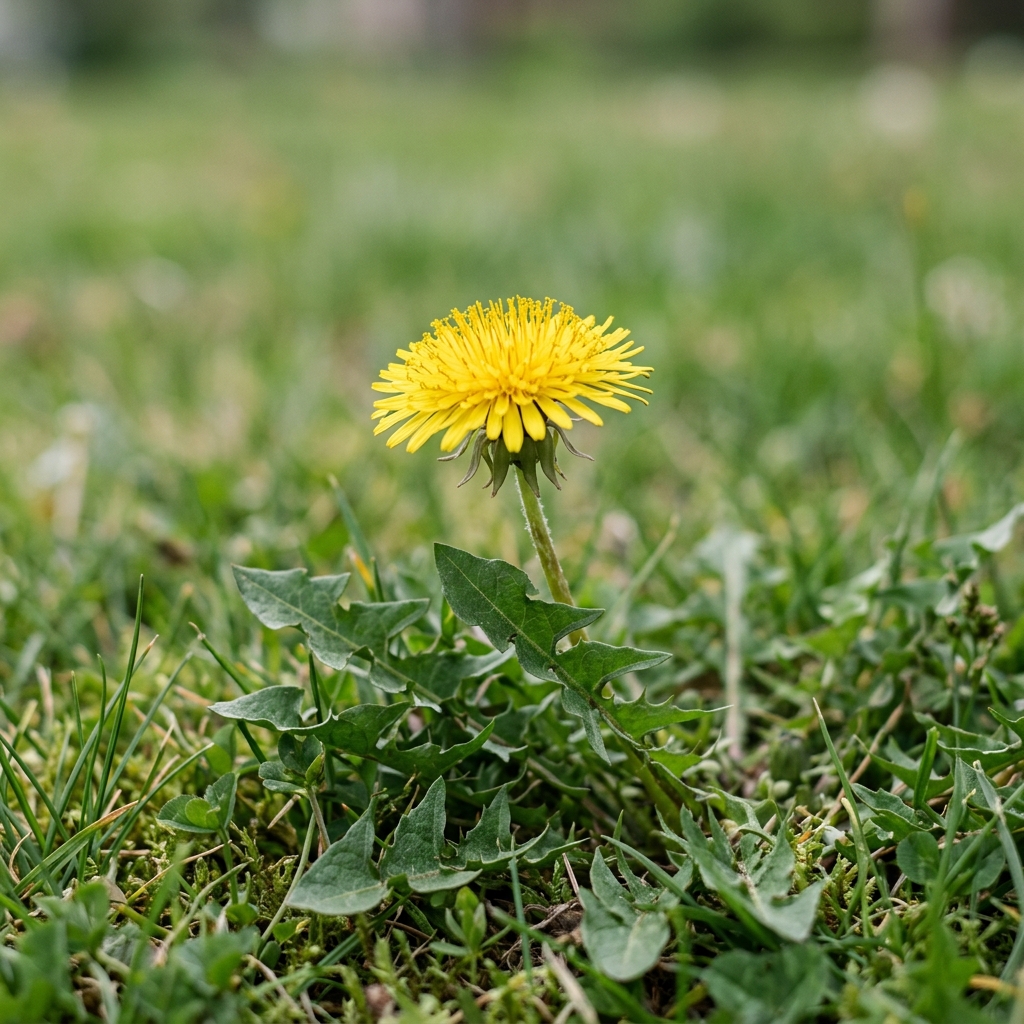
Botanical macro photography of Kudzu (Pueraria montana) - Plant AI care and control database

How to Identify Kudzu

A vigorous climbing woody vine with large three-part fuzzy compound leaves, hairy stems, and hanging clusters of purple, grape-scented flowers.

  • Large Fuzzy Three-Part Leaves: Alternate compound leaves composed of three massive, egg-shaped, fuzzy leaflets (up to 15 cm long) that can be lobed or entire.
  • Aggressive Twining Woody Stems: Slender green stems mature into thick, hairy, woody twining vines (up to 4 inches thick) that wrap tightly around structures.
  • Grape-Scented Purple Flowers: Hanging clusters of reddish-purple, pea-like flowers blooming in late summer, emitting a distinct, strong, sweet grape-like fragrance.
💡 Plant AI Tip: Kudzu features massive, fleshy taproots that can weigh up to 400 pounds and drill 12 feet deep! Mechanically eradicating mature kudzu requires excavating the entire root crown located at the top of the root. Cutting vines alone will not kill the root.

Complete Care & Management Guide

Access highly technical, scientific management directives to control or cultivate Kudzu effectively.

Extremely drought-resistant once established due to its massive, deep starch-rich taproots that tap deep subsoil moisture reserves. It thrives in baking Southern summer heat.
Resistant to standard pruning. However, continuous, close grazing by goats or livestock for 3-4 consecutive seasons is highly effective at exhausting root energy reserves and killing the patch.
As a legume, it fixes its own nitrogen, allowing it to colonize nutrient-poor soils easily. It leaves behind nitrogen-oversaturated soils that encourage other weeds.
Requires Full Sun to grow at its maximum daily rate of 1 foot. However, it will tolerate partial shade, using its twining stems to climb tall native trees to reach canopy light.
Adapts to virtually all substrates, preferring clay, eroded sandy soils, and disturbed road borders where competing roots are absent.
Spreads vegetative via rooting stem nodes (stolons) where vines touch the ground, and to a lesser extent via seeds carried in fuzzy seed pods.
A deciduous perennial. Leaves and young vines are completely killed by hard winter frosts, but the woody vines and massive underground taproots survive deep freezing easily.
Features an exceptionally deep, thick, woody vertical taproot that can grow up to 7-12 inches in diameter and weigh hundreds of pounds, making manual digging highly labor-intensive.
Occasionally targeted by the kudzu bug (*Megacopta cribraria*), which feeds heavily on the sap, though bug pressure rarely eradicates established colonies.
Subject to **Soybean Rust** and **Fungal Blights**, acting as a dangerous reservoir host that spreads agricultural diseases to neighboring soybean farms.
To control Kudzu organically, cut the vines back to the ground repeatedly during the summer, target and excavate the central root crown, or employ goats to graze the foliage.

Are your trees or structures being completely smothered by dense, fuzzy vine mats?

Excavate the massive central root crown, employ continuous goat grazing, and check for large grape-scented purple flowers.

Diagnose Weed Instantly

Common Diseases & Treatment

Soybean Rust Reservoir

Symptoms: Symptoms: Leaves develop small yellow or brown spots that produce powdery spores, transferring easily to nearby farms.

Action: Action: Immediately cut down and bag the infected vine foliage. Do not compost infected plant parts to prevent regional crop damage.

Root Crown Regrowth

Symptoms: Symptoms: Fresh green runners shoot out rapidly from the soil surface after you cut the woody vines.

Action: Action: Woody crown excavation. Trace the vine back to its central base in the ground. Use a sharp spade to slice off the woody crown below the soil surface.

Frequently Asked Questions

Why is Kudzu called 'the vine that ate the South'?

Introduced in the late 1800s for erosion control, Kudzu thrived spectacularly in the hot, humid summers of the Southern US. Lacking natural insect pests or diseases, its vines grew up to a foot a day, quickly smothering millions of acres of forests, collapsing power poles, and swallowing abandoned houses.

Are Kudzu roots edible or useful?

Yes! Kudzu roots are packed with high-quality starch, historically harvested in Asia to make arrowroot powder (Kuzu) used in cooking and traditional medicine. The woody vines are also highly valued for weaving sturdy baskets.

Does Kudzu die in the winter?

The green leaves and tender tips are deciduous and die back completely with the first hard frost, turning brown and shriveled. However, the thick woody vines and massive underground taproots remain alive, sprouting fresh runners in early spring.

What is the best way to kill Kudzu organically?

Locate the central root crown (where the main woody vine meets the soil). Use a saw or sharp spade to cut the top 3-4 inches of the root crown completely off from the deep taproot. This decapitates the plant and prevents any dormant nodes from shooting.

No more dying plants. Grow healthy greens today!

Get Started for Free