Jimsonweed Identification & Control
Jimsonweed, also infamously known as Devil's Trumpet, Thornapple, or Stinkweed, is an exceptionally aggressive, highly toxic summer annual broadleaf weed in the nightshade family. Native to Central America, it is now globally distributed and highly dreaded. It features thick, purple-tinged branched stems and large, jaggedly-toothed leaves that emit a highly offensive, nauseating scent. Every single part of the plant is packed with lethal doses of tropane alkaloids (atropine and scopolamine), making it a major safety hazard in residential gardens.





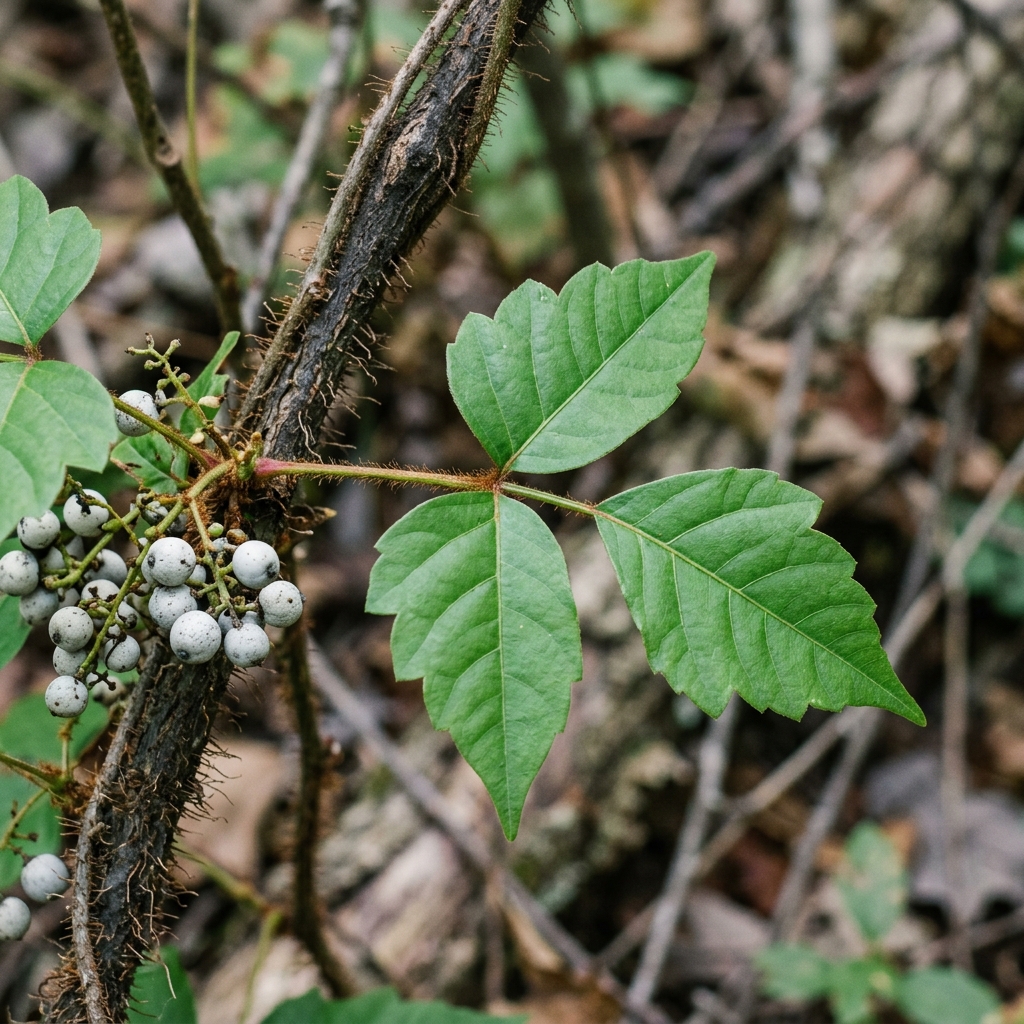
How to Identify Jimsonweed
An upright, branched annual with smooth purple stems, large coarsely-toothed leaves emitting a foul smell, and large white-purple trumpet flowers.
-
✔
Large Trumpet Flowers: Beautiful, showy, funnel-shaped flowers (up to 10 cm long) that are white or pale lavender, opening in early evening.
-
✔
Spiny Egg-Shaped Seedpods: Erect, egg-shaped green seed capsules (up to 5 cm long) covered in exceptionally sharp, stiff woody spines.
-
✔
Coarse Foul-Smelling Leaves: Large, opposite, coarsely-lobed leaves that emit a highly offensive, nauseating, narcotic odor when crushed.
Complete Care & Management Guide
Access highly technical, scientific management directives to control or cultivate Jimsonweed effectively.
Common Diseases & Treatment
Alkaloid Toxicity Poisoning
Symptoms: Symptoms: Ingestion of leaves or seeds leads to immediate dilated pupils, blurred vision, extreme thirst, delirium, and elevated body temperature.
Seedpod Spines
Symptoms: Symptoms: Spiny egg-shaped seed capsules cover your garden beds, making weeding without gloves very painful.
Frequently Asked Questions
Where does the name 'Jimsonweed' come from?
It is a corruption of 'Jamestown Weed.' In 1676, British soldiers sent to suppress Bacon's Rebellion in Jamestown, Virginia, boiled the plant's leaves for food. They suffered severe, hallucinogenic delirium for 11 days, though all survived, making the weed famous.
Are Datura flowers cultivated as ornamentals?
Yes, some species of Datura are grown in gardens for their large, beautiful, fragrant white or purple trumpet flowers. However, because of the extreme toxicity and hazard to children and pets, planting them in home gardens is highly discouraged.
Is Jimsonweed toxic to touch?
Handling the plant with bare skin can occasionally transfer trace alkaloids to your fingers. If you then rub your eyes, it can cause immediate, temporary dilation of the pupils (mydriasis) and blurred vision. Always wear gloves and wash hands.
What is the best way to eradicate Jimsonweed?
Wear protective gloves and long sleeves. Hand-pull young seedlings, ensuring you pull the taproot out. Cut mature plants down in summer before the spiny seedpods can open, bag securely, and dispose of in a landfill. Do not burn.