Lamium amplexicaule

Henbit Identification & Control

Henbit is a highly common winter annual broadleaf weed in the mint family. Native to Europe, Asia, and North Africa, it has successfully colonized agricultural fields, home gardens, and lawns across North America. Sprouting square stems and distinctive whorled leaves, it is famous for its early spring display of bright, tubular purple-red flowers that provide crucial early nectar for wild bees but quickly overwhelm thin lawns.


Sunlight Icon
Sunlight Full Sun to Partial Shade
Watering Icon
Watering Tolerance Moderate
Soil Mix Icon
Soil Adaptability Rich / Moist / Loam
Temperature Icon
Growth Temp 4°C - 28°C
Toxicity Danger Icon
Danger / Toxicity Pet Safe / Bee Attractor
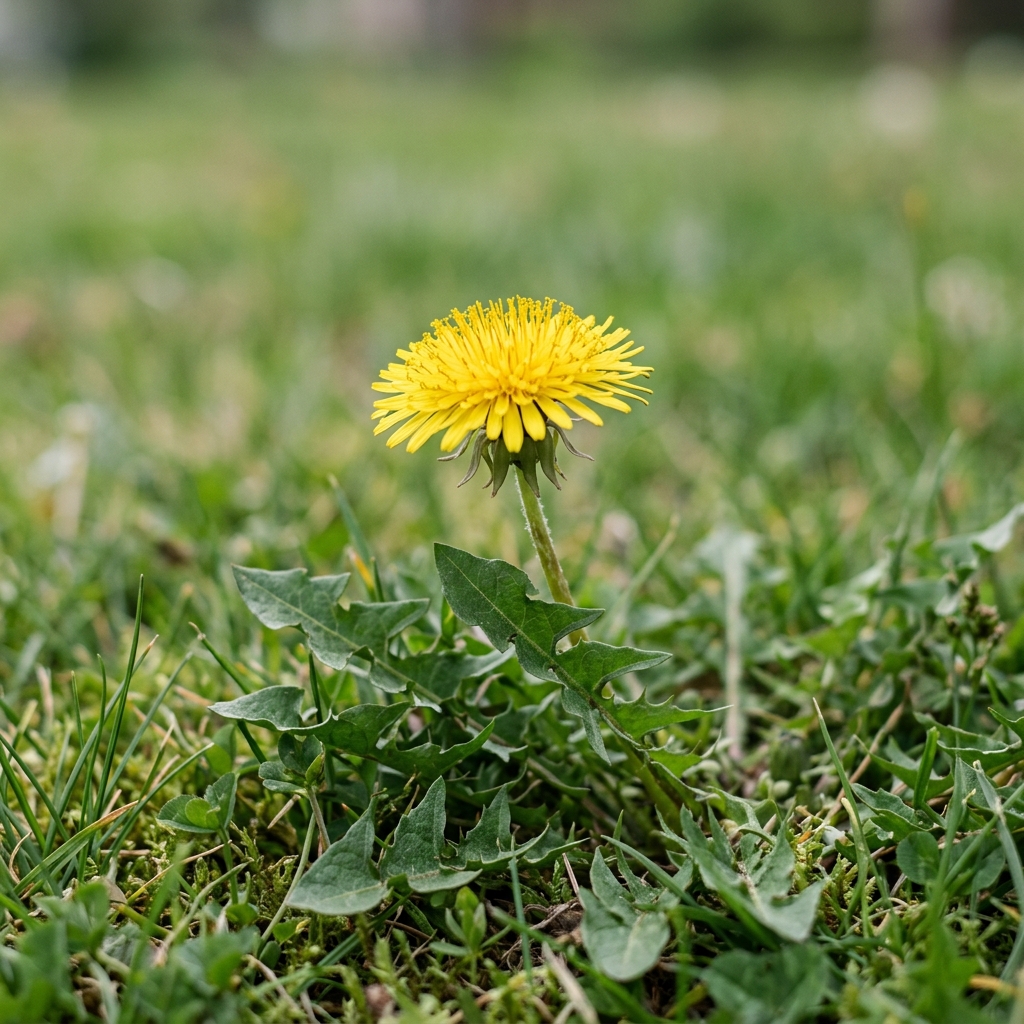
Botanical macro photography of Henbit (Lamium amplexicaule) - Plant AI care and control database

How to Identify Henbit

An upright winter annual with square stems, rounded, scalloped, clasping leaves, and tubular, two-lipped purple-red flowers.

  • Square Stems: Stems are strictly square in cross-section, green-purple in color, and grow relatively upright (10 to 30 cm).
  • Clasping Scalloped Leaves: Upper leaves are rounded, deeply scalloped, and sit directly wrapped (clasping) around the stem without stalks.
  • Tubular Purple Flowers: Bright purple-red, two-lipped, elongated tubular flowers (1.5 cm) blooming in whorls at the top leaf joints.
💡 Plant AI Tip: Henbit is a winter annual! It germinates in cool autumn, stays small in winter, and blooms explosively in early spring. Mulching garden beds in late summer is the best way to block autumn germination.

Complete Care & Management Guide

Access highly technical, scientific management directives to control or cultivate Henbit effectively.

Prefers moist, damp soils but is highly adaptable. It grows vigorously in early spring moisture but quickly dries up, produces seeds, and dies when hot, dry summer weather arrives.
Controlled effectively by mowing in early spring. Regular mowing prevents the upright stems from blooming and producing seeds, disrupting its annual lifecycle.
Thrives in rich, fertile, highly fertile soils. Improving turf grass density through balanced fertilization is highly effective in choking out emerging winter seedlings.
Prefers Full Sun to partial shade. It struggles under dense forest canopies and dense, thick lawn turf shading. Shading lawns organically suppresses it.
Thrives in rich loam, cultivated flower beds, vegetable gardens, and newly established lawns. It struggles in extremely dry, sterile sandy soils.
Reproduces strictly by seeds. A single plant can produce up to 2,000 seeds. Seeds have an oily appendage (elaiosome) that attracts ants, which carry seeds to new locations.
A winter annual. Germinates in cool autumn (10-15°C), survives winter frosts as a tiny rosette, and grows rapidly to flower in warm spring before dying in summer.
Features a shallow taproot with fine, delicate fibrous lateral roots. It is exceptionally easy to hand-pull or hoe out due to its weak root structure.
Occasionally targeted by aphids and thrips, but pests rarely cause significant damage to this resilient annual weed.
Subject to **Downy Mildew** and **Stem Rot** in dense, overwatered patches. *Action*: Allow the soil surface to dry, and hand-pull infected weeds.
Henbit has very shallow roots, making manual weeding highly effective. Hand-pull in early spring before the tubular purple flowers mature into seeds, and mulch garden beds heavily in late summer.

Is your garden full of upright square stems or early purple flowers?

Hand-pull the shallow taproot easily in spring, check for clasping scalloped leaves, and mow before purple flowers seed.

Diagnose Weed Instantly

Common Diseases & Treatment

Downy Mildew

Symptoms: Symptoms: Pale yellow patches on leaf tops, with fuzzy grey-purple spore mats underneath during damp spring.

Action: Action: Hand-weeding. Remove infected plants to prevent spore spread. Allow soil to dry and improve garden air circulation.

Early Spring Seed Explosion

Symptoms: Symptoms: Tubular purple flowers bloom in massive clusters across your garden beds in early March.

Action: Action: Hand-pull immediately! Henbit is an annual; pulling them before flowers drop seeds completely eliminates the next year's generation.

Frequently Asked Questions

Why is it called 'Henbit'?

It is named 'Henbit' because free-range chickens (hens) love to peck and eat the small, nutrient-rich rounded leaves and seeds, making it a highly valued poultry forage.

Does Henbit smell like mint?

No. Although Henbit belongs to the mint family (Lamiaceae) and has square stems, its leaves do not contain the strong aromatic oils found in Creeping Charlie or peppermint, so it has no scent when crushed.

How do you distinguish Henbit from Purple Deadnettle?

Henbit has rounded leaves that wrap directly around the stem (no stalks), and the stem is green-purple. Purple Deadnettle has triangular, reddish-purple leaves on distinct leaf stalks, clustered tightly at the top like a little pagoda.

What is the best way to get rid of Henbit?

Simply pull them by hand or scrape them with a hoe in early spring before they set seeds. Because it is a winter annual, applying organic mulch to garden beds in late summer prevents seeds from germinating in autumn.

No more dying plants. Grow healthy greens today!

Get Started for Free