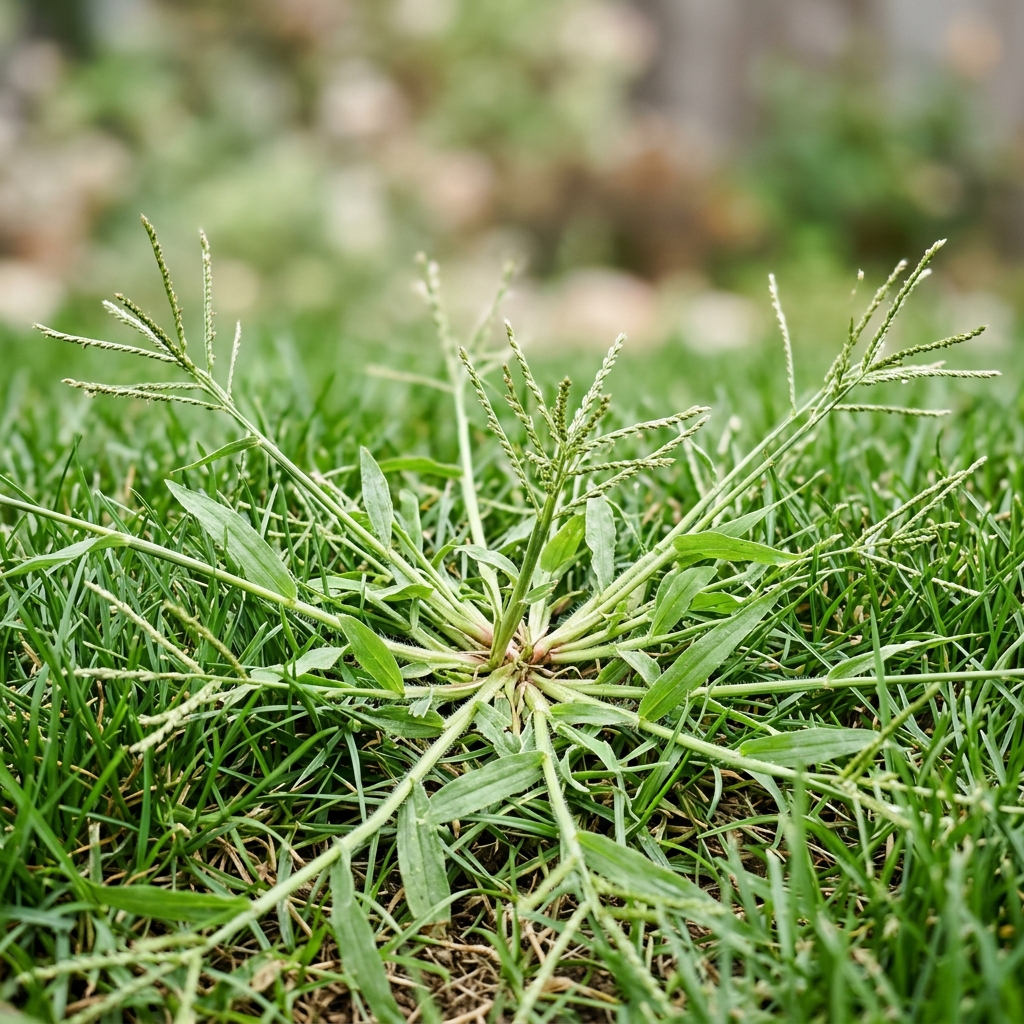
Setaria viridis

Foxtail Identification & Control

Foxtail (specifically Green Foxtail) is a highly prolific, upright summer annual grassy weed native to Eurasia but now widely naturalized across North America. Thriving abundantly in disturbed soils, gardens, and thin lawns, it is famous for its dense, cylindrical, bristly flower spikes that resemble a fox's tail. While it competes heavily with garden plants for nutrients, its mature seed heads pose a severe physical danger to dogs and outdoor pets, as the sharp, barbed seed awns can burrow into skin, ears, and paws.


Sunlight Icon
Sunlight Full Sun to Partial Shade
Watering Icon
Watering Tolerance Low to Moderate
Soil Mix Icon
Soil Adaptability Any Soil / Loam / Clay
Temperature Icon
Growth Temp 15°C - 38°C
Toxicity Danger Icon
Danger / Toxicity Pet Toxic / Sharp Seed Awns
Botanical macro photography of Foxtail (Setaria viridis) - Plant AI care and control database

How to Identify Foxtail

An upright annual grass forming coarse clumps, with flat leaf blades showing a hairy ligule, and dense, bristly, green-to-purple fox-tail-like seed heads.

  • Fox-Tail-Like Seed Head: A dense, cylindrical, bristly green-to-purple flower spike (2 to 8 cm) packed with stiff bristles that catch on clothing.
  • Upright Coarse Clumps: Grows in upright, loose clumps (10 to 60 cm tall) with flat, coarse, light-green leaf blades that rough up the lawn texture.
  • Hairy Ligule Ring: A fringe of tiny white hairs (ligule) is present at the base of the leaf blade where it wraps around the stem.
⚠️ Pet Danger Warning: Foxtail seeds are extremely dangerous to dogs! The seeds are equipped with tiny, microscopic backward-pointing barbs. Once they cling to a dog's fur, they can easily burrow into ears, eyes, nose, and paws, causing severe internal infections.

Complete Care & Management Guide

Access highly technical, scientific management directives to control or cultivate Foxtail effectively.

Very adaptable. It grows rapidly in damp spring conditions but survives hot summer droughts easily by flowering early and dropping seeds. Moisture control helps limit late-season growth.
Controlled moderately by mowing. Regular mowing prevents the upright stems from blooming and producing seed heads, breaking its annual life cycle.
Thrives in rich, high-nitrogen, fertile soils, actively robbing nutrients from nearby vegetable crops. Shifting turf fertility supports grass over foxtail.
Prefers Full Sun but tolerates partial shade. It easily establishes along garden borders, roadsides, and thinned lawns where sunlight reaches the soil surface.
Thrives in disturbed agricultural soils, gardens, rich loam, and compacted clay. It easily colonizes areas where soil has been recently turned.
Spreads aggressively strictly by seeds. A single foxtail plant can produce up to 10,000 seeds that survive in the soil for up to 30 years.
A summer annual. It germinates in late spring, grows rapidly to flower in mid-summer, and is completely killed by winter frosts, leaving seeds behind.
Features a shallow, fibrous, clumping root system. Because its roots are shallow, it is relatively easy to pull out by hand before it flowers.
Occasionally targeted by aphids, but pests rarely cause significant damage to this highly resilient annual grassy weed.
Subject to **Powdery Mildew** and **Downy Mildew** under humid autumn weather. *Action*: Hand-pull and discard infected clumps to prevent spore spread.
To protect your pets, hand-pull foxtail clumps in early summer as soon as you spot the soft green seed spikes, before they mature, turn dry and yellow, and become sharp.

Is your garden showing clumping coarse grass or bristly fox-tail-like spikes?

Mow early to cut off seed heads, pull the shallow fibrous roots, and keep dogs away from dry patches.

Diagnose Weed Instantly

Common Diseases & Treatment

Downy Mildew

Symptoms: Symptoms: Pale yellow streaks appear on leaf blades, with a fuzzy white-gray fungal growth forming underneath during damp weather.

Action: Action: Hand-pull the infected grass clumps. Avoid overhead watering to keep leaf surfaces dry, and apply organic copper fungicide.

Dry Seed Sharpness

Symptoms: Symptoms: Foxtail seed heads turn dry, straw-yellow, and extremely stiff, dropping barbed seeds that stick to pet paws and socks.

Action: Action: Cut and discard the seed heads immediately using shears. Avoid walking dogs through dry grassy margins during late summer.

Frequently Asked Questions

Why are Foxtails so dangerous for dogs?

Foxtail seeds have sharp points and microscopic, backward-pointing barbs. If a seed gets trapped in a dog's fur, it cannot move backward; it can only burrow forward into the skin, ears, paws, or nose, causing painful abscesses and internal damage.

How does Green Foxtail spread?

It spreads entirely by seeds. The bristly seed heads easily cling to animal fur, deer hide, human socks, and agricultural machinery, allowing the seeds to be transported long distances to colonize new gardens.

Can I prevent Foxtail with a pre-emergent?

Yes! Since Foxtail is a summer annual that germinates from seed every spring, applying an organic pre-emergent (like corn gluten meal) or a selective chemical pre-emergent in early spring will prevent the seeds from successfully sprouting.

Are the young grass blades edible?

While not toxic, young foxtail grass is very coarse and has rough edges. It is not recommended for human consumption, though some wild birds feed heavily on the small seeds once they drop.

No more dying plants. Grow healthy greens today!

Get Started for Free