Convolvulus arvensis

Field Bindweed Identification & Control

Field Bindweed, also widely known as Perennial Morning Glory, Creeping Jenny, or Wild Morning Glory, is an exceptionally destructive and aggressive perennial climbing weed. Native to Europe and Asia, it has colonized gardens and agricultural fields globally. It features slender, vine-like stems that twist counter-clockwise around crops, fences, and ornamental plants, forming a tangled, strangling blanket. With an incredibly deep root system drilling up to 20 feet deep, it is one of the most persistent weeds on earth.


Sunlight Icon
Sunlight Full Sun to Partial Shade
Watering Icon
Watering Tolerance Low to Moderate
Soil Mix Icon
Soil Adaptability Any Soil / Loam / Dry Clay
Temperature Icon
Growth Temp 8°C - 42°C
Toxicity Danger Icon
Danger / Toxicity Pet Toxic / Strangling Vine
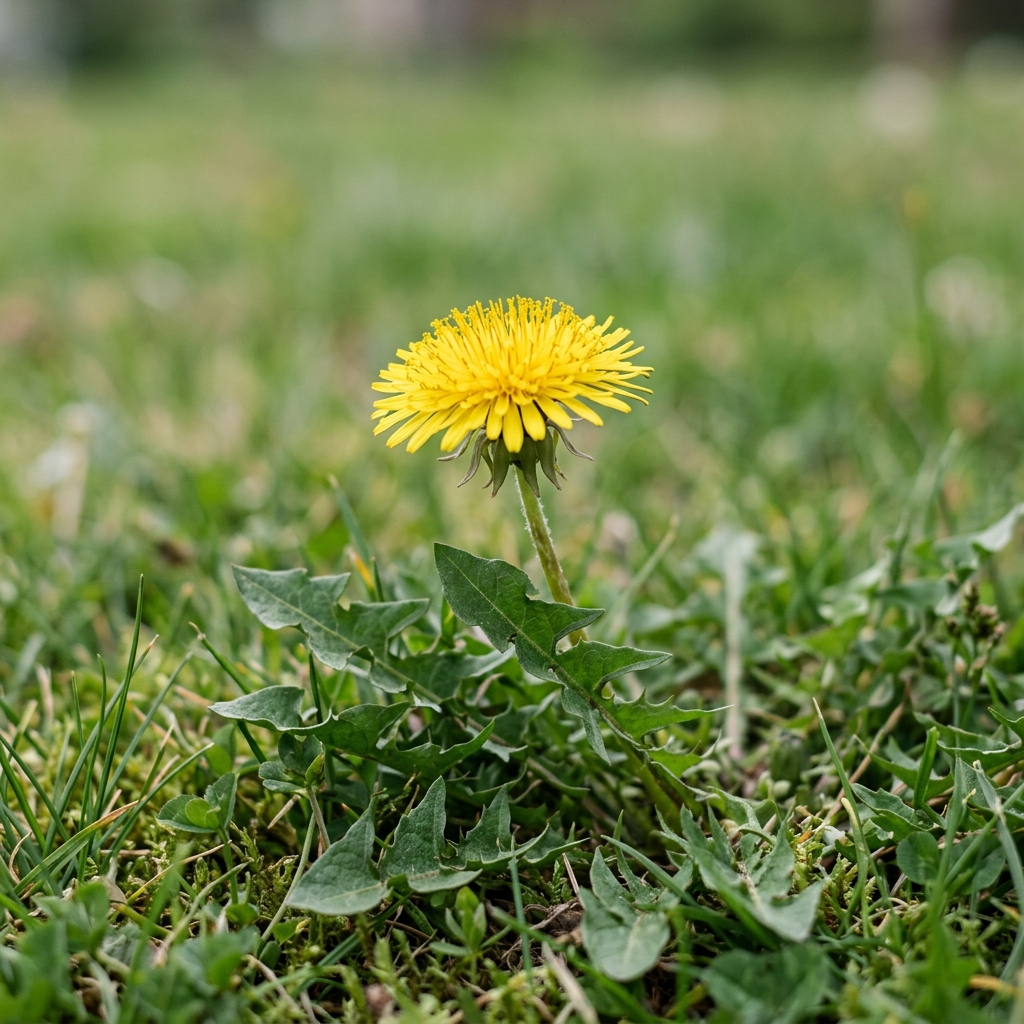
Botanical macro photography of Field Bindweed (Convolvulus arvensis) - Plant AI care and control database

How to Identify Field Bindweed

A prostrate or climbing perennial vine with arrowhead-shaped green leaves, twining stems, and white-to-light-pink trumpet-shaped flowers.

  • Arrowhead-Shaped Leaves: Bright green leaves (2 to 5 cm long) are strictly arrowhead-shaped or shield-shaped with a blunt tip.
  • Twining Vine Stems: The slender, tough stems grow flat along the ground or climb counter-clockwise, wrapping tightly around other plants to strangle them.
  • Trumpet-Shaped Flowers: Showy, funnel-shaped, white-to-pale-pink flowers (2 to 3 cm wide) resembling morning glories, opening in morning sun.
⚠️ Pet & Crop Alert: Field Bindweed contains toxic alkaloids (pseudotropine) that can cause severe gastrointestinal distress in horses, dogs, and cats if consumed. It also acts as a physical strangler, killing garden shrubs.

Complete Care & Management Guide

Access highly technical, scientific management directives to control or cultivate Field Bindweed effectively.

Exceptionally drought-tolerant. Its roots tap deep groundwater, allowing the vine to remain green, flower, and produce seeds during intense summer baking that kills ornamental crops.
Resistant to pruning. Cutting back the vines only stimulates the underground root crown to send up multiple fresh runners. Daily cutting is needed to exhaust it.
Highly aggressive. It wraps around neighboring crops, physically competing for sunlight while its extensive roots starve crops of nutrients and moisture.
Prefers Full Sun but tolerates partial shade. It climbs tall garden plants to capture light, completely shading out and smothering the host plant below.
Adapts to dry, sterile clay, rich agricultural loam, and gravelly driveways. It easily survives in hard-packed ground where other plants fail.
Spreads via seeds and deep creeping roots. A single plant can produce up to 500 hard-coated seeds that can remain dormant and viable in the soil for over 50 years!
Perennial. Stems die back to the ground under freezing winter temperatures, but the massive underground root network survives easily, sprouting vigorously in spring.
Features an incredibly deep, fleshy taproot that can drill up to 20 feet deep, accompanied by a vast network of fine lateral roots and creeping underground stems.
Occasionally targeted by bindweed gall mites and tortoise beetles, though pests rarely cause structural damage to its highly aggressive creeping network.
Subject to **Powdery Mildew** and **Fungal Leaf Spots** in wet seasons, which slows down growth but rarely kills the deep, extensive root system.
To control Field Bindweed organically, cut the vines at ground level weekly to exhaust the roots. Do not pull them as they snap easily. Use a thick sheet mulch barrier to suffocate the runners.

Are your garden shrubs being wrapped and strangled by morning-glory-like vines?

Cut twining stems at the base weekly to exhaust roots, avoid snapping leaves, and inspect for arrowhead-shaped foliage.

Diagnose Weed Instantly

Common Diseases & Treatment

Fungal Leaf Spot

Symptoms: Symptoms: Small, circular brown or black spots with yellow halos appearing on the arrowhead-shaped green leaves.

Action: Action: Clip and dispose of infected vines. Avoid overhead watering to keep leaf surfaces dry, and ensure proper air circulation.

Vine Strangling

Symptoms: Symptoms: Bindweed vines wrap tightly counter-clockwise around garden flowers, cutting off their vascular sap flow.

Action: Action: Hand-shear the twining vine stems carefully to free the host plant. Dig a circle around the weed base to dig out the central root crown.

Frequently Asked Questions

How is Field Bindweed different from cultivated Morning Glory?

Field Bindweed is a perennial with deeply drilling roots (20 ft) and small white-pink flowers (1 inch wide) and arrowhead-shaped leaves. Cultivated Morning Glory is an annual with shallow roots, larger purple-blue flowers (3 inches wide), and heart-shaped leaves.

Why is it so hard to dig out?

Because its root system is exceptionally deep (up to 20 feet) and brittle. When you dig, the roots snap, and any tiny segment of root left in the soil has the power to sprout a new vine, rendering normal digging ineffective.

Is Field Bindweed toxic to pets?

Yes. The plant contains tropane alkaloids that can cause colic and digestive issues in horses, and vomiting, diarrhea, and abdominal pain in dogs and cats if consumed in large quantities.

What is the best way to get rid of it organically?

Exhaust the roots through light suffocation and weekly pruning. Lay down overlapping cardboard sheet mulch, cover with 4 inches of wood chips, and instantly cut any vines that peek through the edges before they can capture sunlight.

No more dying plants. Grow healthy greens today!

Get Started for Free