Paspalum dilatatum

Dallisgrass Identification & Control

Dallisgrass is an exceptionally coarse, clumping perennial grassy weed native to South America but thoroughly naturalized in warm temperate regions worldwide. Highly dreaded in home lawns, sports turf, and pastures, it grows in thick, unsightly circular clumps. It features very wide, dark-green leaf blades and flat, sprawling stems that grow extremely rapidly in warm weather, far outgrowing desirable lawn grasses and forming a thick, woody root crown.


Sunlight Icon
Sunlight Full Sun
Watering Icon
Watering Tolerance Moderate
Soil Mix Icon
Soil Adaptability Any Soil / Clay / Moist Loam
Temperature Icon
Growth Temp 15°C - 45°C
Toxicity Danger Icon
Danger / Toxicity Pet Safe / Poisonous Ergot Seed heads
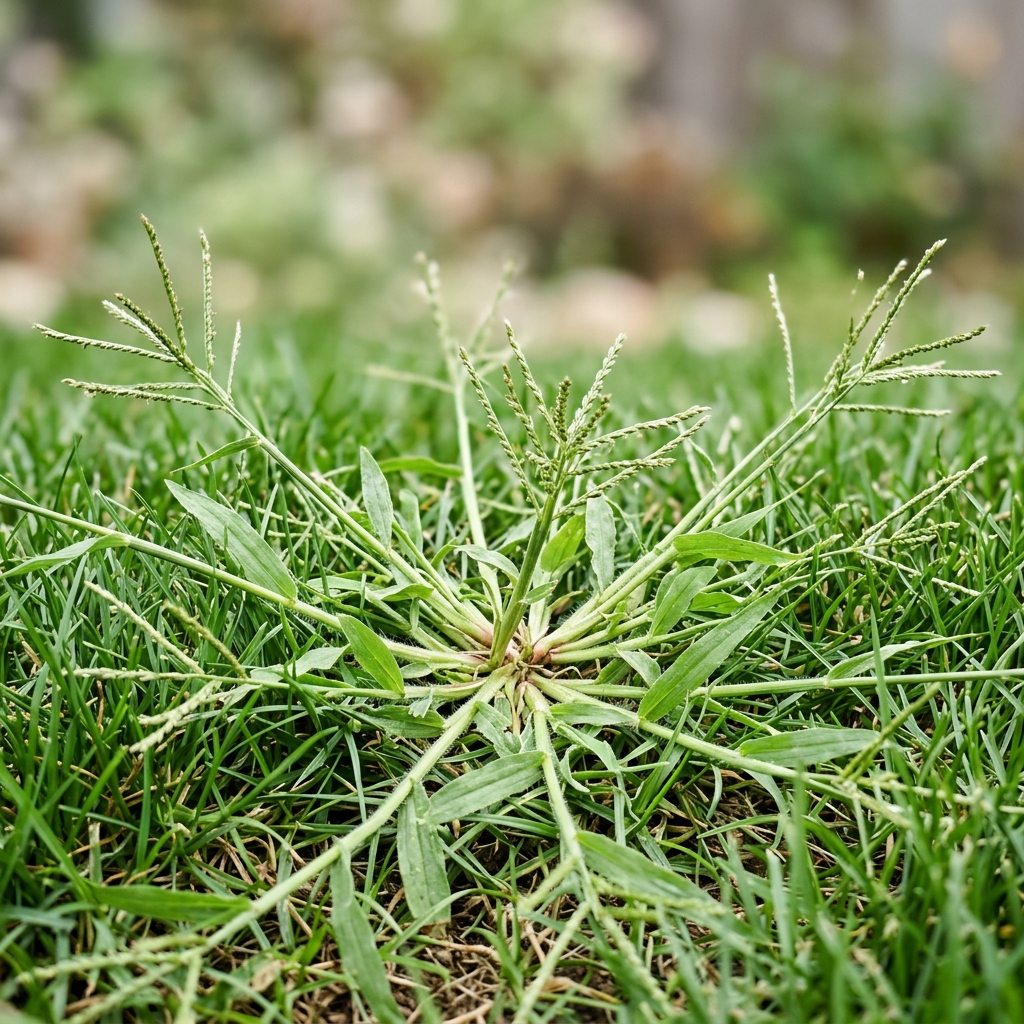
Botanical macro photography of Dallisgrass (Paspalum dilatatum) - Plant AI care and control database

How to Identify Dallisgrass

A coarse, clumping perennial grass forming wide circular rings, with thick dark-green blades, a tall flower stalk, and distinct seed heads showing black hairs.

  • Coarse Dark-Green Clumps: Grows in thick, spreading circular clumps (rosettes) with exceptionally wide, coarse, dark-green leaf blades.
  • Rapid Warm Growth: Grows up to twice as fast as normal turf grass in hot weather, producing unsightly, tall seed stalks within days of mowing.
  • Black-Haired Seed Spikelets: Tall flower stalks bear 3 to 6 alternating spikes, carrying flat, oval seeds densely covered in distinct black, fuzzy hairs.
⚠️ Pasture Alert: Dallisgrass seed heads are highly susceptible to ergot fungus (Claviceps paspali). The infected seed heads produce sticky honeydew containing neurotoxins that cause 'Dallisgrass staggers' in cattle and horses. Cut off seed heads to protect pets.

Complete Care & Management Guide

Access highly technical, scientific management directives to control or cultivate Dallisgrass effectively.

Highly adapted to moist, humid conditions, but survives drought easily due to its deep root system. It thrives in overwatered turf and low-lying damp clay spots.
Extremely difficult to control. While regular mowing keeps the leaves at turf height, it will quickly shoot up tall, unsightly seed stalks within 48 hours of mowing.
Thrives in highly fertile, nitrogen-rich soils. It aggressively absorbs nutrients, starving surrounding lawn grasses and expanding its clump diameter.
Requires Full Sun. It will not tolerate shade and will fail to grow under dense tree canopies or beneath competitive garden shrubs.
Prefers moist clay, rich loam, and damp, fertile soils. It easily tolerates poor soil aeration that weakens other grass species.
Spreads aggressively by seeds and short, thick rhizomes. The seeds are sticky and cling to mower wheels, animal fur, and shoes, spreading easily.
A warm-season perennial. The coarse foliage turns straw-brown and goes dormant in winter, but the thick woody crown and short rhizomes survive deep freezes easily.
Features a massive, deep, fibrous root system anchored to a short, thick, woody rhizome crown. Manual removal requires deep digging with a spade.
Rarely targeted by pests. It occasionally hosts sod webworms, but suffers zero structural damage, maintaining strong growth.
Highly susceptible to **Ergot Fungus** (*Claviceps paspali*) on seed heads during warm, humid weather, which turns seeds sticky and black.
To eradicate Dallisgrass organically, you must dig up the entire clump with a shovel, cutting 4-6 inches deep to remove the woody crown and short rhizomes. Fill the hole with soil and sow turf seed.

Are your lawn areas showing coarse clumping grass with black-haired seed spikes?

Dig out the woody root crown completely, cut off toxic ergot seed heads, and overseed bare patches.

Diagnose Weed Instantly

Common Diseases & Treatment

Ergot Infection

Symptoms: Symptoms: Seed spikes develop a sticky, amber-colored honeydew that matures into black, powdery crusts on the seeds.

Action: Action: Immediately cut off and discard infected seed heads to protect grazing animals and pets from 'staggers' neurotoxins. Wash shears.

Woody Crown Expansion

Symptoms: Symptoms: The central clump grows wider and woodier every year, choking out all surrounding lawn grass in a 2-foot ring.

Action: Action: Mechanical excavation. Use a sharp spade to cut a circle around the clump, pry up the entire woody root block, and replant grass.

Frequently Asked Questions

Why is Dallisgrass so difficult to kill compared to Crabgrass?

Crabgrass is an annual weed that dies in winter. Dallisgrass is a tough perennial with a thick, woody root crown and short underground rhizomes. It survives freezing winters and regrows from the same crown every year.

What are Dallisgrass staggers?

It is a neurological disorder in cattle, horses, and sometimes dogs caused by eating dallisgrass seed heads infected with Claviceps paspali ergot fungus. Symptoms include trembling, stumbling, and loss of coordination.

Can I kill Dallisgrass by mowing it?

No. Dallisgrass clumps are extremely tough and grow very flat to the ground. Mowing only clips the tall seed heads, but the woody crown remains completely unharmed and will grow new seed stalks within days.

What is the best way to eradicate Dallisgrass organically?

The only effective organic method is to manually dig up the entire plant. Use a sharp garden spade, dig 4 inches deep around the clump, and lift the entire woody root crown out of the soil. Overseed the bare spot immediately.

No more dying plants. Grow healthy greens today!

Get Started for Free