Malva neglecta

Common Mallow Identification & Control

Common Mallow, also known as Cheeseweed, is a highly persistent, deep-rooted annual or biennial broadleaf weed in the hibiscus family. Native to Eurasia but thoroughly naturalized across North America, it aggressively invades lawns, crop fields, and home gardens. Famous for its thick, woody taproot and rounded, hollyhock-like leaves, it produces small, pale lavender-to-white flowers that mature into unique circular seedpods resembling tiny cheese wheels.


Sunlight Icon
Sunlight Full Sun to Partial Shade
Watering Icon
Watering Tolerance Moderate
Soil Mix Icon
Soil Adaptability Any Soil / Compacted
Temperature Icon
Growth Temp 8°C - 35°C
Toxicity Danger Icon
Danger / Toxicity Pet Safe / Edible
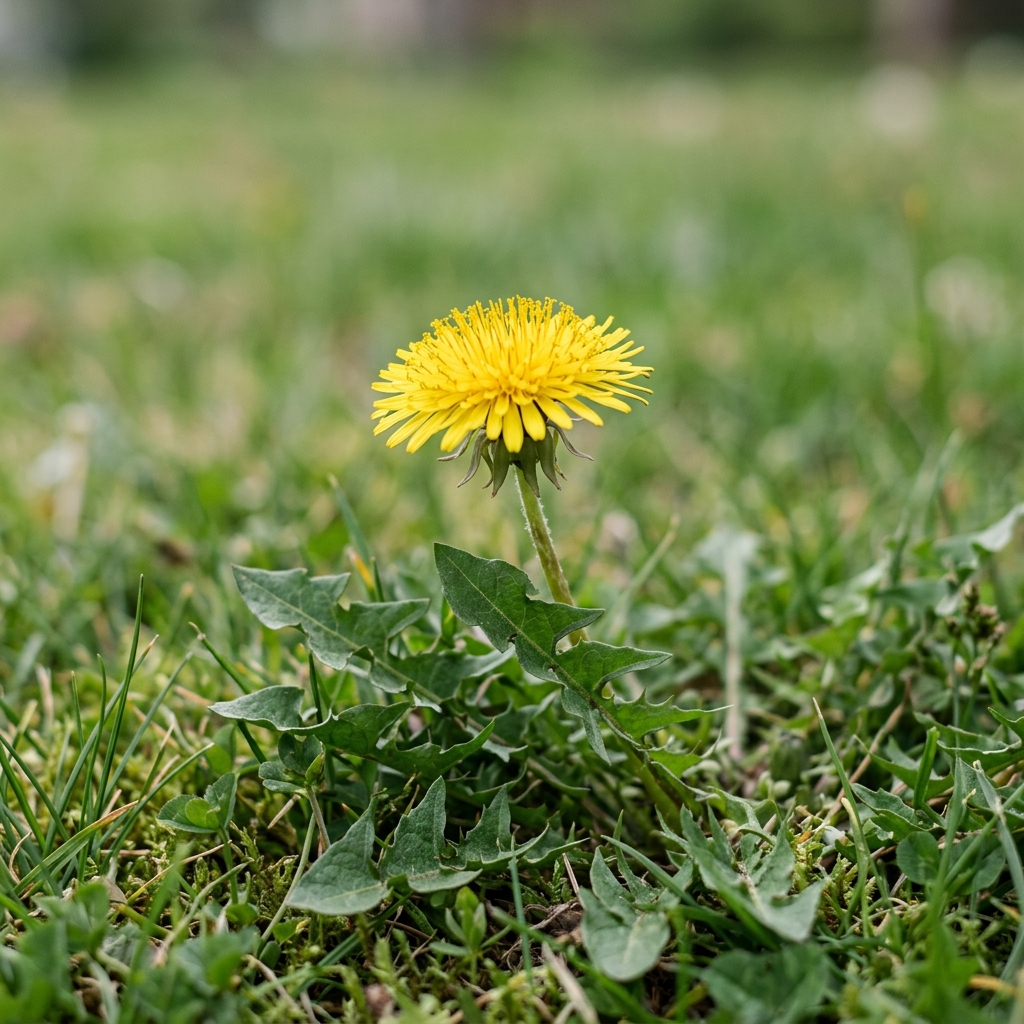
Botanical macro photography of Common Mallow (Malva neglecta) - Plant AI care and control database

How to Identify Common Mallow

A spreading annual or biennial with rounded, kidney-shaped leaves on long stalks, small pale lavender-white flowers, and circular button-like seedpods.

  • Rounded Lobed Leaves: Rounded, crinkly, kidney-shaped leaves (2 to 6 cm) with 5 to 7 shallow lobes and finely toothed margins, on long stalks.
  • Cheese-Wheel Seedpods: Unique, flat, circular seedpods divided into 10 to 15 wedge-like sections, looking exactly like a tiny wheel of cheese.
  • Woody Taproot: A highly tough, thick, vertical woody taproot that anchors deep into compacted soil, making manual pulling difficult.
💡 Plant AI Tip: Also called 'Cheeseweed'! The round, button-like seedpods are completely edible and taste slightly nutty. Children in rural areas historically harvested and ate them as 'little cheeses.'

Complete Care & Management Guide

Access highly technical, scientific management directives to control or cultivate Common Mallow effectively.

Highly drought-tolerant due to its woody taproot. It thrives in damp spring gardens but survives dry summers easily by extracting moisture from deep sub-soils. Water management alone will not control it.
Moderately resistant to mowing. While mowing cuts off the tall flower stalks, the main stems can grow prostrate, spreading flat along the soil to escape mower blades.
Thrives in nutrient-rich and high-potassium soils, often indicating fertile agricultural ground. Balanced lawn fertilization helps grass compete against mallow seedlings.
Prefers Full Sun but tolerates partial shade. It struggles under dense forest canopies and dense, thick lawn turf shading. Shading suppressed it.
Adapts to clay, loam, sandy, and compacted soils. It easily grows in newly tilled gardens, farm fields, and compacted pathways where other plants struggle.
Reproduces strictly by seeds. The circular 'cheese' pod splits into 10 to 15 hard-coated seeds. Seeds have an extremely tough coat, surviving in soil for over 20 years.
An annual, winter annual, or biennial. Survives winter frosts easily as a flat green rosette, growing rapidly in spring to produce woody stems and flowers.
Features an exceptionally tough, thick, vertical woody taproot. Hand-pulling mature specimens is very difficult as the root snaps easily. Digging or chemical control is needed.
Occasionally targeted by hollyhock weevils and spider mites, often acting as a reservoir host for these pests in vegetable gardens.
Highly subject to **Mallow Rust** (bright orange-brown spots on leaf undersides). *Action*: Pull infected plants, avoid overhead watering, and spray with copper fungicide.
Common Mallow is easiest to control when young. Hand-pull or hoe the seedlings when they are small and the taproot is still soft. Once mature, the woody taproot must be dug out deep using a shovel.

Is your garden full of rounded crinkly leaves or circular cheese pods?

Dig out the woody taproot deep, check for rounded scalloped leaves, and pull before cheese-wheel pods seed.

Diagnose Weed Instantly

Common Diseases & Treatment

Mallow Rust (Puccinia)

Symptoms: Symptoms: Bright orange, yellow, or dark brown raised pustules densely covering the undersides of the rounded leaves.

Action: Action: Pull and discard infected plants. Avoid overhead watering to keep foliage dry, and apply organic copper fungicide.

Woody Taproot Snapping

Symptoms: Symptoms: Trying to pull mature mallow snaps the stem at the soil line, leaving the tough woody taproot deep inside.

Action: Action: Regeneration alert! The woody root crown will quickly sprout fresh stems. Use a garden spade to dig 3 inches down and lift the entire root.

Frequently Asked Questions

Why is it called 'Cheeseweed'?

It is nicknamed 'Cheeseweed' because its unique, flat, circular seed capsules are divided into neat wedge-shaped sections, looking exactly like a miniature round wheel of gourmet cheese.

Is Common Mallow safe for pets?

Yes. Common Mallow is non-toxic and safe for dogs, cats, and livestock. In fact, all parts of the plant—leaves, flowers, roots, and seeds—are edible and have a pleasant, mild, slightly mucilaginous texture.

How long do the seeds survive in the soil?

Mallow seeds have an extremely hard, protective outer coat. This allows them to remain dormant and viable in the soil for 20 years or more, germinating rapidly when the soil is turned and exposed to light.

What is the best way to get rid of Common Mallow?

Eradicate them when they are young seedlings, as the taproot is still soft and pulls out easily. For mature plants, use a weeding fork or spade to dig deep and remove the entire woody taproot, then mulch the area.

No more dying plants. Grow healthy greens today!

Get Started for Free