Stellaria media

Common Chickweed Identification & Control

Common Chickweed is a highly prolific, low-growing annual broadleaf weed native to Europe but extensively naturalized worldwide. Famous for its delicate, sprawling stems that form dense, tangled, bright-green carpets, it thrives heavily in damp, shaded garden beds, cultivated farm fields, and overwatered lawns. Sprouting tiny, star-like white flowers with deeply divided petals, it produces massive seed counts in cool, moist seasons.


Sunlight Icon
Sunlight Partial Shade to Full Sun
Watering Icon
Watering Tolerance Moderate to High
Soil Mix Icon
Soil Adaptability Rich / Moist / Loam
Temperature Icon
Growth Temp 4°C - 25°C
Toxicity Danger Icon
Danger / Toxicity Pet Safe / Edible
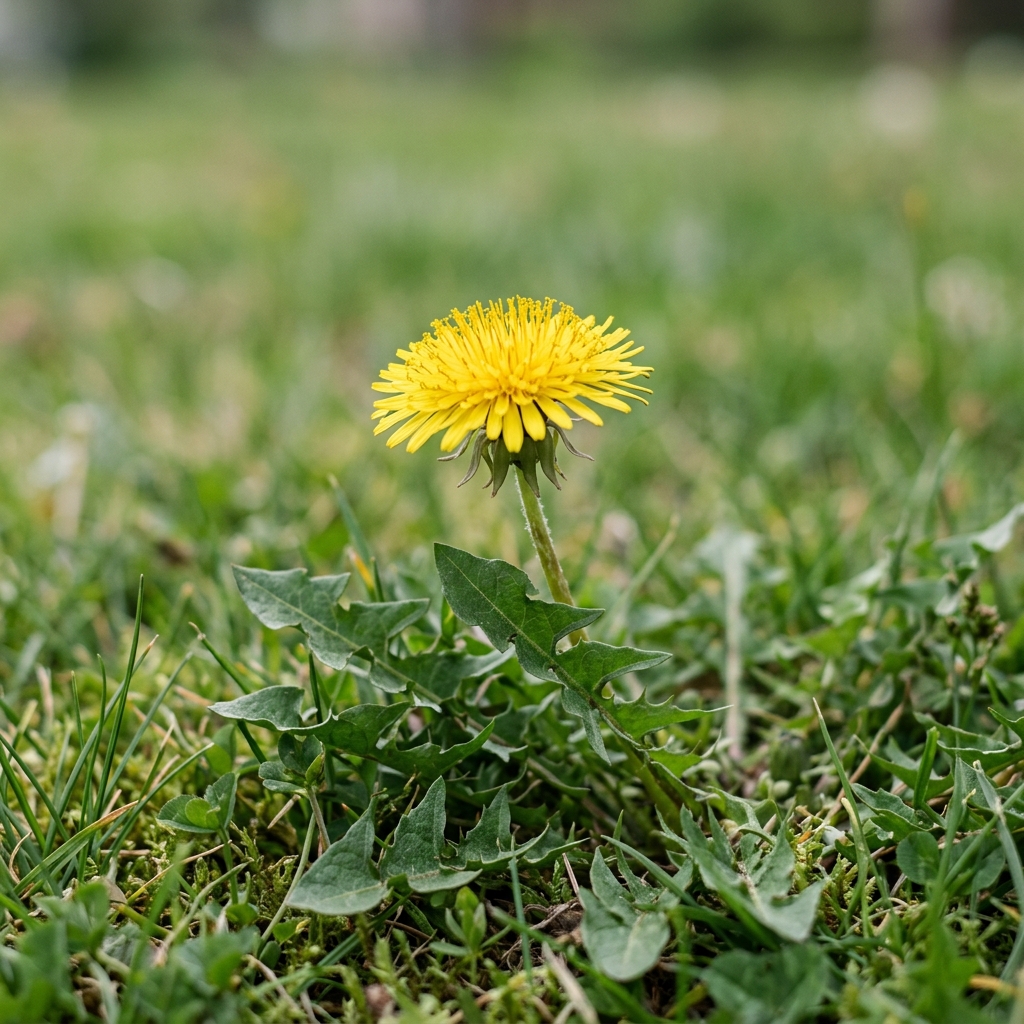
Botanical macro photography of Common Chickweed (Stellaria media) - Plant AI care and control database

How to Identify Common Chickweed

A low-growing, creeping annual forming lush green mats, featuring egg-shaped leaves, a single line of fine hairs on the stem, and tiny white star-shaped flowers.

  • Single Line of Stem Hairs: The delicate, succulent creeping stems feature a single, highly distinct line of fine white hairs running down one side.
  • Egg-Shaped Opposite Leaves: Bright-green, smooth, egg-shaped leaves with pointed tips, arranged in neat opposite pairs along the stems.
  • Star-Like White Flowers: Tiny white flowers (4 to 6 mm) that look like 10-petaled stars, but actually have only 5 petals that are deeply split in half.
💡 Foraging Fact: Highly edible and delicious! Common Chickweed has a mild, crisp taste resembling sweet corn. It is highly valued in gourmet salads when harvested fresh and clean.

Complete Care & Management Guide

Access highly technical, scientific management directives to control or cultivate Common Chickweed effectively.

Requires high moisture. Thrives abundantly in damp, poorly drained soils, overwatered lawns, and cool shaded spots. Allowing the top soil layer to dry out significantly weakens its growth.
Partially controlled by mowing. While mowing clips the upright tips, the creeping lower stems lie very close to the soil and root easily, continuing to spread horizontally.
Thrives in rich, highly fertile, nitrogen-rich cultivated soils. It acts as an indicator of highly fertile, organic soil in vegetable gardens.
Prefers shaded, cool, and damp locations, easily outgrowing lawn grass in shaded tree zones. It can tolerate full sun provided the soil remains consistently moist.
Prefers rich, organic loam, compost-rich garden beds, and damp, heavy soils. It struggles heavily in dry, barren, sandy soils.
Spreads aggressively by seeds and rooting stem nodes. A single chickweed plant can produce up to 800 seeds, which remain viable in the soil for over 10 years.
A cool-season annual. It germinates in autumn or winter, grows rapidly in cool spring weather, and dies out quickly in hot, dry mid-summer temperatures.
Features an exceptionally shallow, delicate, fibrous root system. Due to shallow rooting, it is very easy to pull out by hand or scrape with a hoe.
Occasionally targeted by spider mites and thrips, often serving as an unwanted harbor or reservoir for these pests in vegetable gardens.
Subject to **Cucumber Mosaic Virus** and **Rust**. *Action*: Pull and discard infected plants. Wash hands and tools to prevent viral spread to crops.
Common Chickweed is extremely easy to control manually due to its shallow roots. Hand-pull or hoe them in spring before they flower, and reduce watering on lawn edges to prevent germination.

Is your garden covered in chickweed carpets or showing tiny star flowers?

Gently hand-pull the shallow fibrous roots, check for the single line of stem hairs, and reduce watering to dry the soil.

Diagnose Weed Instantly

Common Diseases & Treatment

Cucumber Mosaic Virus

Symptoms: Symptoms: Leaves develop a mottled yellow mosaic pattern, become distorted, and plant growth is stunted.

Action: Action: Pull and destroy the infected weed immediately. This virus can easily spread to garden tomatoes and cucumbers via aphids.

Dense Green Matting

Symptoms: Symptoms: Chickweed forms a thick, tangled green carpet that chokes out young seedlings in your flower beds.

Action: Action: Shallow hoeing. Use a garden hoe to lightly scrape the soil surface. The shallow roots pull up effortlessly. Mulch the area to block seeds.

Frequently Asked Questions

Where does Common Chickweed grow?

It grows in cool, damp, and shaded garden beds, cultivated vegetable patches, compost piles, and overwatered lawns. It loves high-nitrogen, fertile soils.

Are the flowers really 10-petaled?

No. The tiny star-shaped white flowers appear to have 10 petals, but if you look closely with a magnifying glass, you will see there are only 5 petals, and each is deeply cleft (split) in two.

Can you eat Common Chickweed?

Yes! Chickweed is a choice wild edible herb. It has a crisp, refreshing, slightly sweet flavor resembling raw corn. It is packed with vitamins and minerals, perfect for spring salads.

How do you control Chickweed organically?

Because its roots are extremely shallow and delicate, simply hand-pull the mats or use a hoe to scrape them off the soil. Mulch the garden bed with wood chips or straw to block sunlight from dormant seeds.

No more dying plants. Grow healthy greens today!

Get Started for Free