Cocklebur Identification & Control
Cocklebur (specifically Common Cocklebur) is an exceptionally aggressive, highly toxic summer annual broadleaf weed in the aster family. Native to North America but globally naturalized, it is a major agricultural weed and a severe threat to livestock and domestic pets. It features coarse, branched stems and triangular green leaves, producing exceptionally unique, egg-shaped woody seed burs densely armed with hooked spines that cling stubbornly to animal fur and clothing.





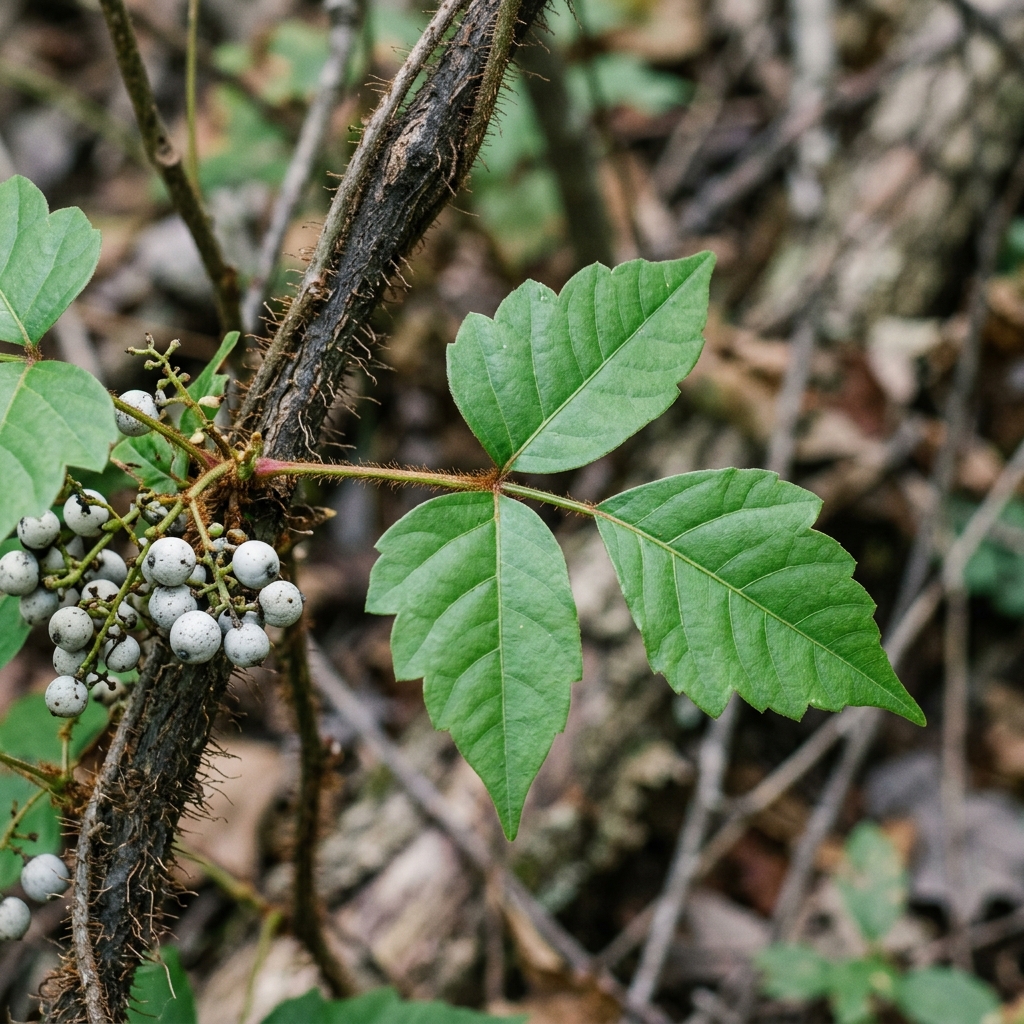
How to Identify Cocklebur
An upright annual with rough, purple-spotted stems, coarse triangular leaves, and clusters of woody, spiny seed burs with hooked tips.
-
✔
Spiny Hooked Seed Burs: Oval, woody seed capsules (1.5 to 2.5 cm long) covered in exceptionally stiff, hooked spines, terminating in two distinct, sharp beaks.
-
✔
Rough Triangular Leaves: Large, alternate, coarse green leaves resembling maple or grape leaves, with a highly rough, sandpaper-like texture on both sides.
-
✔
Purple-Speckled Stems: Stout, highly branched stems that are rough to the touch and covered in dark purple-black spots and speckles.
Complete Care & Management Guide
Access highly technical, scientific management directives to control or cultivate Cocklebur effectively.
Common Diseases & Treatment
Carboxyatractyloside Poisoning
Symptoms: Symptoms: Animals consume young two-leaf seedlings, leading to severe weakness, vomiting, convulsions, and liver failure.
Bur Clinging Spread
Symptoms: Symptoms: Oval, woody seed capsules cover your pet's fur, causing severe matting and skin irritation.
Frequently Asked Questions
Why is Cocklebur so toxic to livestock?
The young seedlings and cotyledons contain carboxyatractyloside, which is a highly potent toxin that blocks mitochondrial energy production. Eating even a small amount of young cocklebur seedlings is fatal to pigs, cattle, and sheep, causing liver necrosis within hours.
How do the seed burs disperse?
The burs are covered in stiff, backward-curved hooks. When an animal or human brushes past the dry plant in autumn, the hooks snag tightly onto fur, wool, or clothing, carrying the seeds long distances before dropping.
Does Cocklebur have any uses?
Despite its high toxicity, Cocklebur (known as Cang Er Zi in Chinese medicine) has been used for centuries in traditional herbalism to treat nasal congestion, sinusitis, and skin itch. *WARNING*: Never ingest wild cocklebur due to severe toxicity risks.
What is the best way to eradicate Cocklebur organically?
Wear thick leather gloves. Hand-pull young plants in early summer before the spiny burs develop. Because it is a summer annual, cutting the plants down before they flower completely breaks the annual seed cycle.