Broadleaf Dock Identification & Control
Broadleaf Dock, also known as Bitter Dock or Broad-Leaved Dock, is an exceptionally robust, tough perennial broadleaf weed in the buckwheat family. Native to Europe but thoroughly naturalized globally, it is a highly persistent pest in moist pastures, home gardens, and orchards. It features massive, broad, egg-shaped green leaves with distinctive reddish veins and leaf stalks, growing from a massive, woody, yellow taproot that anchors stubbornly into compacted clay soils.





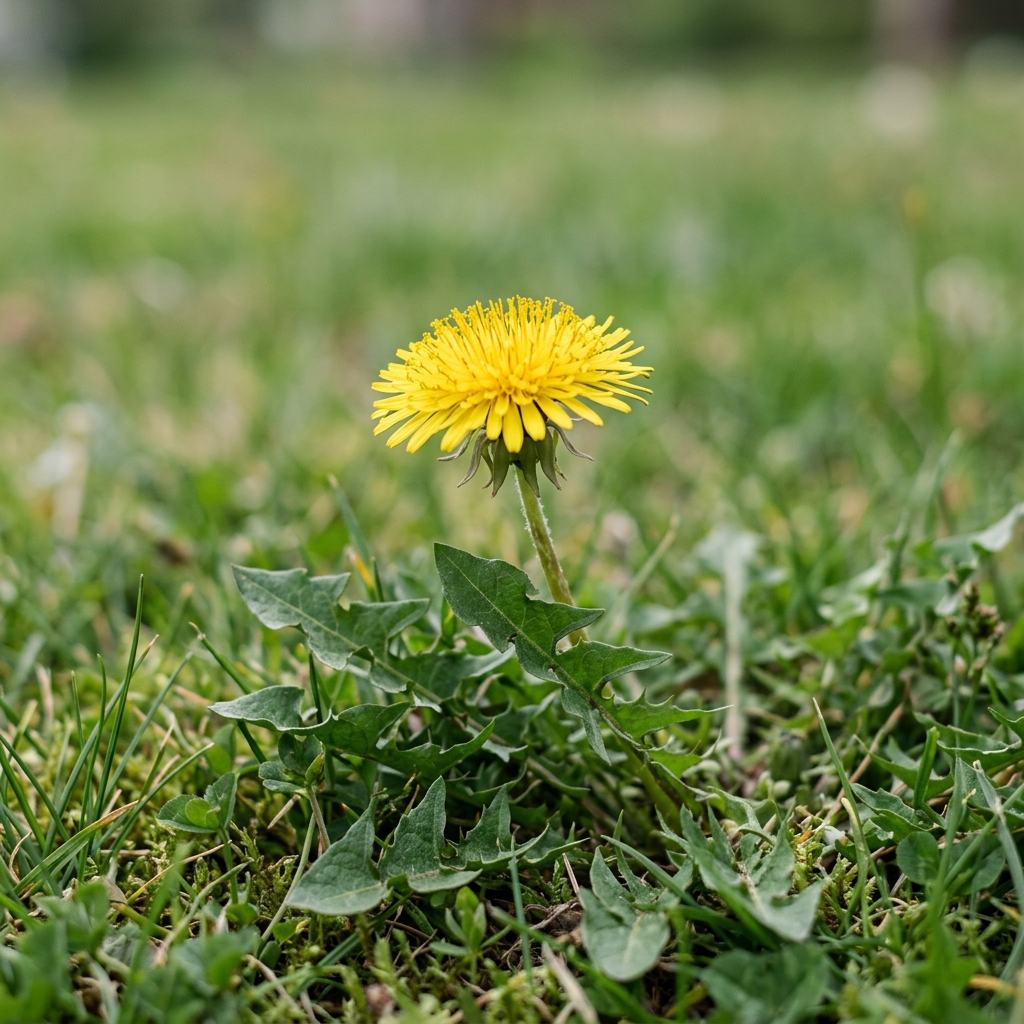
How to Identify Broadleaf Dock
A robust, upright perennial with exceptionally large, broad, egg-shaped green leaves showing flat margins and heart-shaped bases, and reddish veins.
-
✔
Massive Broad Leaves: The lower leaves are exceptionally wide, egg-shaped (up to 40 cm long), with heart-shaped bases and relatively flat (non-curly) margins.
-
✔
Reddish Veins & Petioles: Leaf stalks (petioles) and central veins often display a highly distinct, deep reddish-purple coloration.
-
✔
Upright Green-Brown Spikes: Stems bear dense whorls of green-red flowers that mature into brown winged seeds, lacking the bright rusty-red phase of curly dock.
Complete Care & Management Guide
Access highly technical, scientific management directives to control or cultivate Broadleaf Dock effectively.
Common Diseases & Treatment
Dock Leaf Spot
Symptoms: Symptoms: Circular brown spots with distinct purple borders covering the massive broad leaves.
Root Regeneration
Symptoms: Symptoms: The massive broad leaves sprout back rapidly from a snapped taproot left in the clay soil.
Frequently Asked Questions
How do you distinguish Broadleaf Dock from Curly Dock?
Broadleaf Dock (Rumex obtusifolius) has exceptionally wide, broad, egg-shaped leaves with heart-shaped bases and flat edges. Curly Dock (Rumex crispus) has very narrow, lance-shaped leaves with highly wavy, crinkled margins.
Is Broadleaf Dock toxic to pets?
Yes. Like Curly Dock, it contains high concentrations of soluble calcium oxalates. If consumed in large quantities by dogs, cats, or sheep, it can cause salivation, gastrointestinal irritation, and potential kidney damage.
Why does it grow so well in compacted pastures?
Its branched yellow taproot is exceptionally strong, capable of drilling through dense, oxygen-poor clay soils. Compaction kills off sensitive grass species, leaving open ground that Broadleaf Dock aggressively colonizes.
What is the best way to get rid of it organically?
Use a sharp garden spade to slice a circle around the base of the rosette. Dig deep and lift the woody yellow root crown out intact. Mow the area regularly to prevent seed production.