Bracken Fern Identification & Control
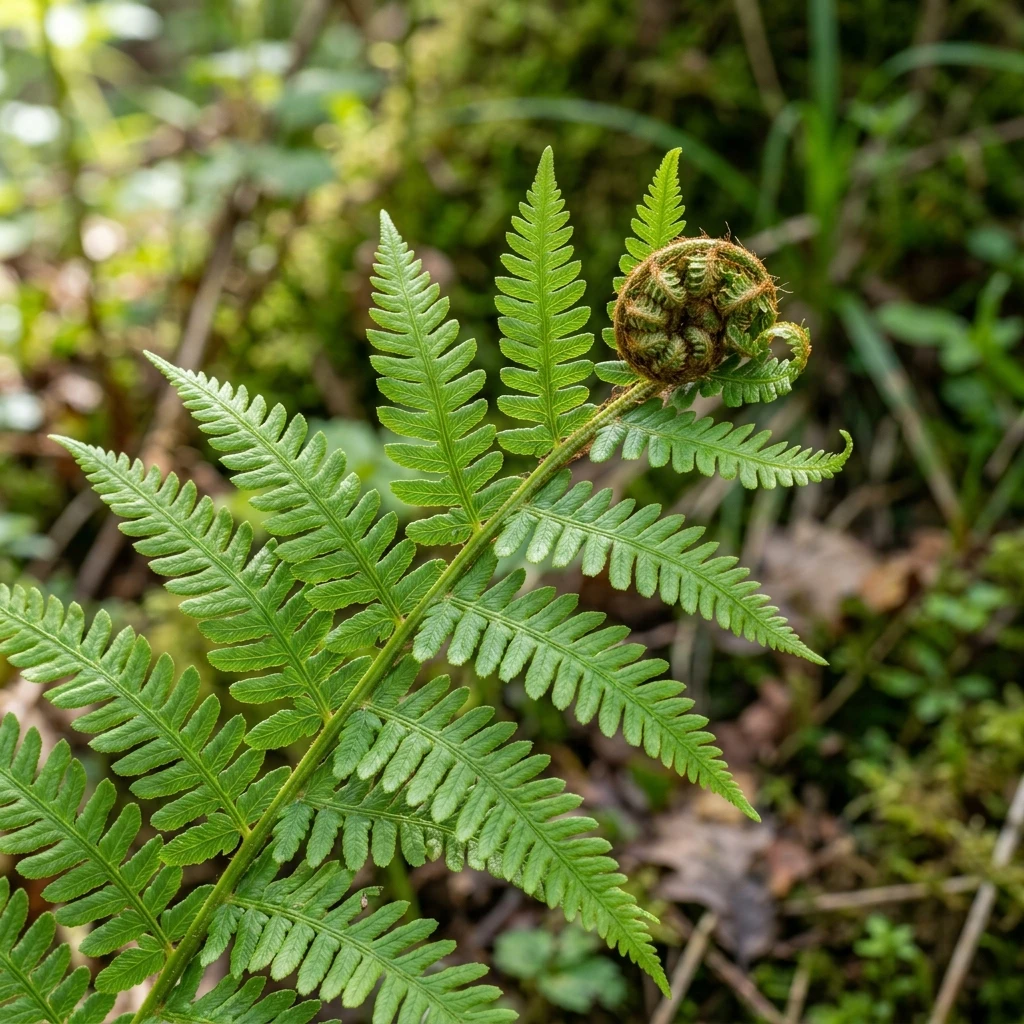
Bracken Fern, botanically known as Pteridium aquilinum, is an exceptionally ancient, highly toxic perennial fern weed in the Dennstaedtiaceae family. Universally distributed across temperate regions, it is a severe noxious weed in dry pastures, forest margins, and acidic lawns. It features large, triangular, three-part divided fronds and spreads aggressively via a massive network of black, creeping underground rhizomes. Every part of the plant contains the highly potent carcinogen ptaquiloside, making it a severe public health and agricultural hazard.




How to Identify Bracken Fern
A coarse perennial fern with large, triangular, deeply-divided fronds growing from black creeping rhizomes, lacking flowers or seeds.
-
✔
Colossal Triangular Fronds: Large, stiff, coarse, triangular green leaf fronds (up to 4 feet tall) divided into exactly three major branches.
-
✔
Black Creeping Rhizomes: Features a massive, sprawling network of thick, creeping black underground rhizomes that can grow up to 10 feet deep.
-
✔
Marginal Spore Bands (Sori): In late summer, the undersides of leaf margins curl under to protect long, continuous bands of brown spore-producing sacs.
Complete Care & Management Guide
Access highly technical, scientific management directives to control or cultivate Bracken Fern effectively.
Common Diseases & Treatment
Enzootic Hematuria
Symptoms: Symptoms: Cattle graze on fresh bracken, leading to severe bone marrow suppression, anemia, and bloody urine.
Spore Inhalation Hazard
Symptoms: Symptoms: Spores released in late summer can be inhaled by humans and pets, acting as a potential respiratory carcinogen.
Frequently Asked Questions
Why is Bracken Fern so hard to kill?
It has a colossal, ancient underground rhizome network. The rhizomes can represent up to 90% of the plant's total biomass and can drill up to 10 feet deep, sprouting new shoots quickly even if you clear all the fronds above ground.
Are the young spring 'fiddleheads' edible?
In some East Asian cultures, young curled fiddleheads are harvested in spring, boiled heavily, and eaten. *CRITICAL WARNING*: The fiddleheads contain the carcinogen ptaquiloside! Raw fiddleheads are highly toxic; they must be processed heavily to remove toxins.
Does it have a special seed cycle?
No. Bracken Fern is a primitive vascular plant. It does not produce flowers, fruits, or seeds. It reproduces strictly via microscopic, wind-blown spores released from brown bands under the margins of the fronds.
What is the best way to get rid of it?
Cut the fronds to the ground in early summer, and then repeat the cutting in mid-summer when the plant sprouts new leaves. This double-cutting forces the deep rhizomes to drain their energy reserves, eventually killing them over 2-3 years.