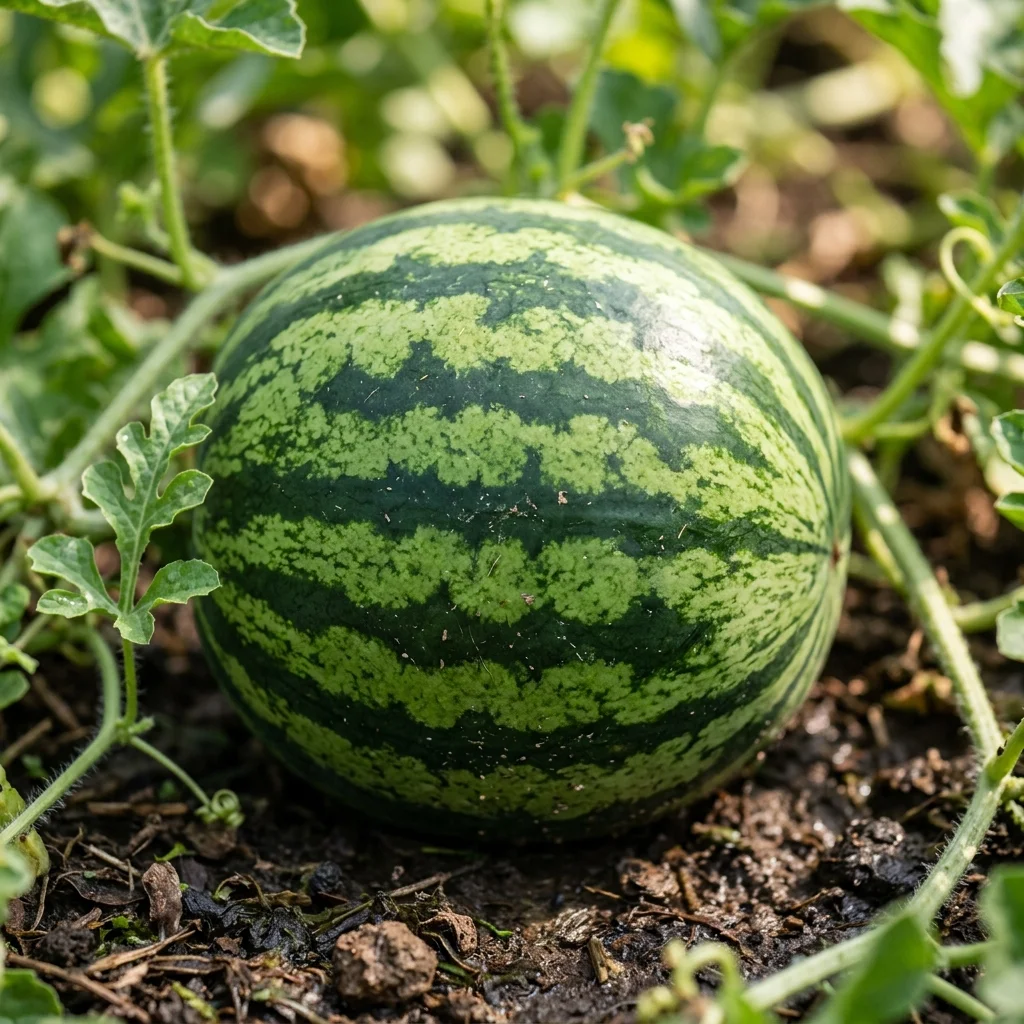
Citrullus lanatus

Watermelon Growing & Harvesting Guide

Watermelon (Citrullus lanatus) is the ultimate, high-yielding king of the summer heat. Famed for producing massive, incredibly juicy round fruits with deep pink flesh, this trailing vine nightshade brings pure refreshment to home gardens.


Sunlight Icon
Sunlight Full Sun (8+ hours)
Watering Icon
Watering Deep / High Demand
Soil Mix Icon
Soil pH Rich Sandy Loam (pH 6.0-6.8)
Temperature Icon
Target Temp 22°C - 35°C
Toxicity Warning Icon
Toxicity Pet Friendly
Botanical macro photography of Watermelon (Citrullus lanatus) - Plant AI care database

How to Identify Watermelon

Watermelon (Citrullus lanatus) is a highly valued edible crop globally. Recognizing its definitive vegetative and fruit/vegetable structures is key to successful companion growing and harvesting.

  • Key Visual Features: Fast-growing, long trailing hairy green vines sprawling across garden soil beds.
  • Leaf & Stems: Deeply lobed, thick hairy grayish-green leaves; small pale yellow flowers.
  • Fruit/Edible Part: Massive globose fruits with thick green striped rinds and juicy seed-filled red flesh.
💡 Plant AI Tip: Snap a photo with Plant AI to identify garden veggies and diagnose leaf spot diseases in 1 second.

Complete Growing & Harvesting Guide

Follow our detailed scientific agricultural cultivation guide to keep your Watermelon thriving and high-yielding.

Irrigate deeply, providing 1-2 inches of water weekly. Ensure high moisture during vine growth and fruit expansion.
Pinch off vine tips once 2-3 melons set. This forces the vine to channel sugars into sweetening the fruit.
Apply compost-rich organic fertilizer at planting. Use low-nitrogen, high-potash feed once flowers set.
Demands absolute full sun for at least 8+ hours daily. Extreme heat is mandatory for high sugar accumulation.
Rich, loose sandy loam with deep compost. Prefers high drainage to prevent collar rot.
Sow seeds directly outdoors 2 weeks after final frost. Mound soil into 'hills' to ensure drainage.
Thrives in hot summer air (22°C-35°C). Growth halts below 15°C; protect young vines with row covers.
Space hills 4-6 feet apart. Vines sprawl rapidly; ensure ample room in the kitchen garden.
Watch out for cucumber beetles, aphids, and spider mites. Apply organic neem oil under leaves.
Susceptible to Powdery Mildew and Anthracnose. Water at the base; avoid wetting large leaves.
Harvest when the bottom spot turns buttery yellow, the curly tendril dies, and tapping yields a hollow thud.

Is your Watermelon leaves turning yellow, spotted or dying?

Protect your kitchen garden. Take a photo with Plant AI to diagnose pests and crop diseases instantly.

Diagnose My Crop

Common Diseases & Treatment

Anthracnose (Fungal)

Symptoms: Leaves show angular water-soaked spots that turn black. Melons show sunken circular decayed spots.

Action: Rotate crops annually, avoid overhead watering, and spray copper fungicide at first leaf spots.

Fusarium Wilt (Fungal)

Symptoms: Vine leaves turn yellow, wilt rapidly during hot afternoons, and the vine stem base turns brown and rots.

Action: Plant certified disease-resistant varieties (labeled 'F') and avoid planting in infected soil for 5 years.

Frequently Asked Questions

Why are my watermelons small and not sweet?

Watermelons need extreme heat, full sun, and deep watering. Limit water intake in the final 2 weeks to concentrate fruit sugars.

How do I tell if a watermelon is ripe on the vine?

Check the ground spot: it must turn from white to creamy yellow. The curly vine tendril closest to the fruit must be completely brown and dead.

Why do my young watermelons rot on the vine?

This is blossom-end rot or poor pollination. Ensure bees are active, water consistently, and add organic calcium to the soil.

Is watermelon safe for dogs and cats?

Yes! Watermelon flesh is highly hydrating and completely safe for pets. However, always remove seeds and the hard green rind before feeding.

Harvest bountiful greens. Grow healthy edibles today!

Get Started for Free