Eleocharis dulcis

Water Chestnut Growing & Harvesting Guide

Water Chestnut (Eleocharis dulcis), the sweet and crunchy aquatic gem of marsh gardens, is a highly rewarding perennial sedge to grow. Prizes for its crisp, white flesh segments and glossy dark skin, this heat-loving crop requires continuous water submersion and sand-muck beds.


Sunlight Icon
Sunlight Full Sun (6+ hours)
Watering Icon
Watering High / Aquatic Submersion
Soil Mix Icon
Soil pH Organic-Rich, Clay or Silt Swamp Bed (pH 6.0-7.0)
Temperature Icon
Target Temp 22°C - 35°C
Toxicity Warning Icon
Toxicity Pet Friendly (Non-toxic)
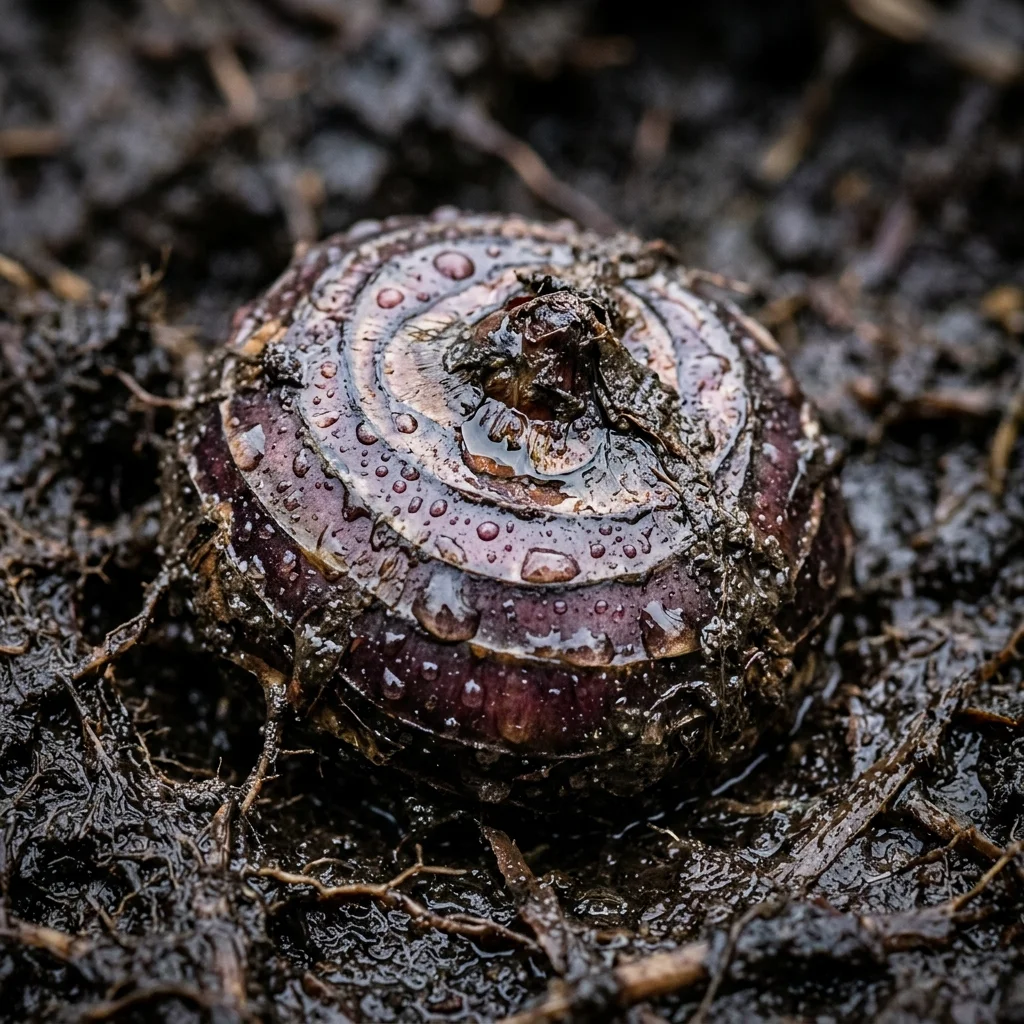
Botanical macro photography of Water Chestnut (Eleocharis dulcis) - Plant AI care database

How to Identify Water Chestnut

Water Chestnut (Eleocharis dulcis) is a highly valued edible crop globally. Recognizing its definitive vegetative and fruit/vegetable structures is key to successful companion growing and harvesting.

  • Key Visual Features: Upright, semi-aquatic perennial sedge with tubular, hollow bright green rush-like stems.
  • Leaf & Stems: Stems grow 2 to 4 feet tall; produces tiny, inconspicuous brownish spikelets at the stem tips.
  • Fruit/Edible Part: Subterranean rounded, flattened dark purplish-brown corm with a crispy white sweet flesh.
💡 Plant AI Tip: Snap a photo with Plant AI to identify garden veggies and diagnose leaf spot diseases in 1 second.

Complete Growing & Harvesting Guide

Follow our detailed scientific agricultural cultivation guide to keep your Water Chestnut thriving and high-yielding.

Requires continuous aquatic submersion. Grow in shallow water (2 to 6 inches deep) throughout the entire growing season.
No pruning required. Simply pull out surrounding aquatic weeds and keep water clear of stagnant debris.
Apply organic bone meal and well-rotted compost to the mud base before flooding the beds.
Requires full sun (6+ hours daily) to generate sugars and support vigorous stem development.
Thrives in rich, heavy clay-loam or silty muck soils (pH 6.0-7.0) that retain moisture and hold stagnant shallow water.
Plant healthy, unblemished seed corms 2 inches deep in mud beds in spring before flooding the area.
Heat-loving aquatic plant. Grows best between 22°C and 35°C; highly sensitive to frost and dies back in freezing weather.
Space seed corms 12 inches apart. Stoloniferous growth will rapidly fill the wet marshy bed.
Prone to water beetles and grasshoppers. Use physical barriers or organic insecticidal soap on stems.
Susceptible to Stem Rot under stagnant, highly anaerobic organic buildup. Maintain slight water flow if possible.
Drain water in late autumn when stems turn yellow-brown. Dig deeply into the damp mud to harvest the crisp purplish corms.

Is your Water Chestnut leaves turning yellow, spotted or dying?

Protect your kitchen garden. Take a photo with Plant AI to diagnose pests and crop diseases instantly.

Diagnose My Crop

Common Diseases & Treatment

Sedge Stem Rot (Rhizoctonia)

Symptoms: Stems develop reddish-brown watery decay spots near the waterline, expanding to cause stem collapse.

Action: Drain water temporarily, prune and destroy collapsed stems, and maintain fresh running water rather than stagnant pools.

Corm Rust (Uromyces)

Symptoms: Hollow green stems develop small, rust-colored pustules, reducing photosynthesis and resulting in small corms.

Action: Plant only clean, certified seed corms, ensure wide spacing, and apply organic copper spray early in the season.

Frequently Asked Questions

Can I grow water chestnuts in a home garden?

Yes! You can grow them in large, water-tight plastic tubs, buckets, or wading pools filled with 8 inches of rich soil and flooded with water.

How long do water chestnuts take to mature?

Water chestnuts require a long, hot growing season of 200 to 220 frost-free days to fully develop sweet, crispy corms.

Why are my water chestnut corms soft and rotting underground?

This is caused by stem rot due to stagnant, poorly oxygenated water. Ensure your tub has fresh water cycled in and out occasionally.

Are water chestnuts safe for pet dogs and cats?

Yes! The crisp white flesh of water chestnuts is completely non-toxic and safe for pets. (Note: Peel the tough purplish outer rind before feeding).

Harvest bountiful greens. Grow healthy edibles today!

Get Started for Free