Tamarindus indica

Tamarind Growing & Harvesting Guide

Tamarind (Tamarindus indica), the dry-land champion of tropical edible trees, is an exceptionally hardy species. Prized for its sweet-sour cinnamon-brown seed pods and beautiful feathery leaves, this deep-rooting legume tree thrives under intense sun, dry winds, and low water.


Sunlight Icon
Sunlight Full Sun (6+ hours)
Watering Icon
Watering Low / Moderate
Soil Mix Icon
Soil pH Adaptable, Well-Drained Sandy Loam (pH 5.5-7.5)
Temperature Icon
Target Temp 20°C - 38°C
Toxicity Warning Icon
Toxicity Pet Friendly (Non-toxic)
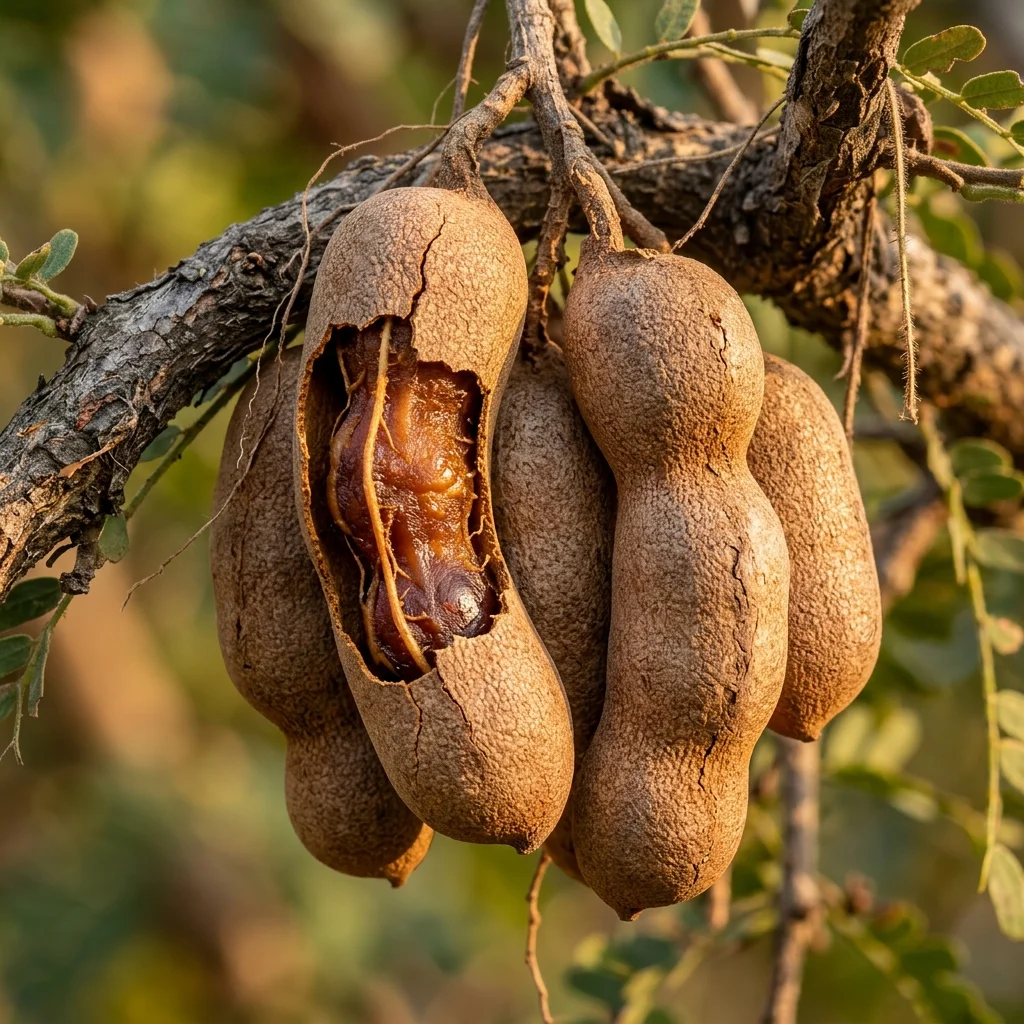
Botanical macro photography of Tamarind (Tamarindus indica) - Plant AI care database

How to Identify Tamarind

Tamarind (Tamarindus indica) is a highly valued edible crop globally. Recognizing its definitive vegetative and fruit/vegetable structures is key to successful companion growing and harvesting.

  • Key Visual Features: Large, handsome evergreen tree growing up to 60 feet with a spreading canopy.
  • Leaf & Stems: Pinnately compound bright green leaflets; small yellow flowers with red veins.
  • Fruit/Edible Part: Long, curved cinnamon-brown dry bean pods containing a sticky tart brown pulp.
💡 Plant AI Tip: Snap a photo with Plant AI to identify garden veggies and diagnose leaf spot diseases in 1 second.

Complete Growing & Harvesting Guide

Follow our detailed scientific agricultural cultivation guide to keep your Tamarind thriving and high-yielding.

Water moderately when young. Once established, tamarind is highly drought-tolerant; water only during severe dry spells.
Prune young trees to establish a strong central leader and remove weak, narrow-angled crotch branches.
Low feeder. Apply light organic compost or phosphate-rich bone meal around the base annually. Avoid nitrogen fertilizers.
Demands absolute full sun, requiring 6 to 8+ hours of direct unfiltered sunlight to drive heavy pod production.
Extremely adaptable. Thrives in sandy loam, gravelly beds, or deep alluvial soil, provided drainage is excellent (pH 5.5-7.5).
Plant bare-root or potted trees in early spring. Stake young saplings to protect them from high winds.
Heat-loving tropical tree. Prefers temperatures between 20°C and 38°C; mature trees tolerate light frost down to -1°C but suffer below.
Space trees 25 to 30 feet apart. Plant in open, sunny areas to allow the massive ornamental crown to spread.
Prone to seed weevils and scale insects. Remove and destroy fallen dried pods promptly to control weevil populations.
Highly resistant to most diseases. Susceptible to Powdery Mildew and Root Rot in waterlogged soils.
Harvest in dry weather when the cinnamon-brown bean pods turn completely dry and make a hollow rattling sound when tapped.

Is your Tamarind leaves turning yellow, spotted or dying?

Protect your kitchen garden. Take a photo with Plant AI to diagnose pests and crop diseases instantly.

Diagnose My Crop

Common Diseases & Treatment

Stem Canker (Corticium)

Symptoms: Tree bark develops pink-tinted cracks and bleeds sticky sap; twigs shrivel, and foliage dies back in dry seasons.

Action: Prune infected branches 10 inches below cankers, seal wounds, and apply preventative organic copper fungicide.

Tamarind Powdery Mildew (Oidium)

Symptoms: Young developing leaves and pod stems show a white powdery fungal dusting, causing foliage shriveling and reduced yields.

Action: Maximize spacing for wind circulation, irrigate only at the base, and apply organic sulfur spray proactively.

Frequently Asked Questions

How can I tell if my tamarind pods are ready to harvest?

Tap the cinnamon-brown bean pods. If they feel firm, dry, and make a hollow, rattling sound, they are ready to be picked.

Is tamarind tree nitrogen-fixing?

Yes! Tamarind belongs to the legume family (Fabaceae) and has symbiotic rhizobia in its roots that fix atmospheric nitrogen.

How do I process harvested tamarind pods for cooking?

Crack the brittle cinnamon-brown outer shell, peel away the dry fibrous strings, and scrape off the sticky brown sweet-sour pulp.

Is tamarind pulp safe for pet cats and dogs?

Yes! The sticky sweet-sour pulp of tamarind is completely non-toxic to dogs and cats, though they may dislike its intense tartness.

Harvest bountiful greens. Grow healthy edibles today!

Get Started for Free