Citrus sinensis

Sweet Orange Growing & Harvesting Guide

Sweet Orange (Citrus sinensis), the vibrant heart of the subtropical orchard, is the most universally loved citrus tree on Earth. Treasured for its juicy, glowing orange spheres, this aromatic evergreen cultivar flourishes under bright warmth, rewarding growers with sweet solar flavors.


Sunlight Icon
Sunlight Full Sun (8+ hours)
Watering Icon
Watering Deep / Consistent
Soil Mix Icon
Soil pH Sandy Loam/Acidic (pH 6.0-6.5)
Temperature Icon
Target Temp 12°C - 38°C
Toxicity Warning Icon
Toxicity Toxic to Pets (Foliage/Peel)
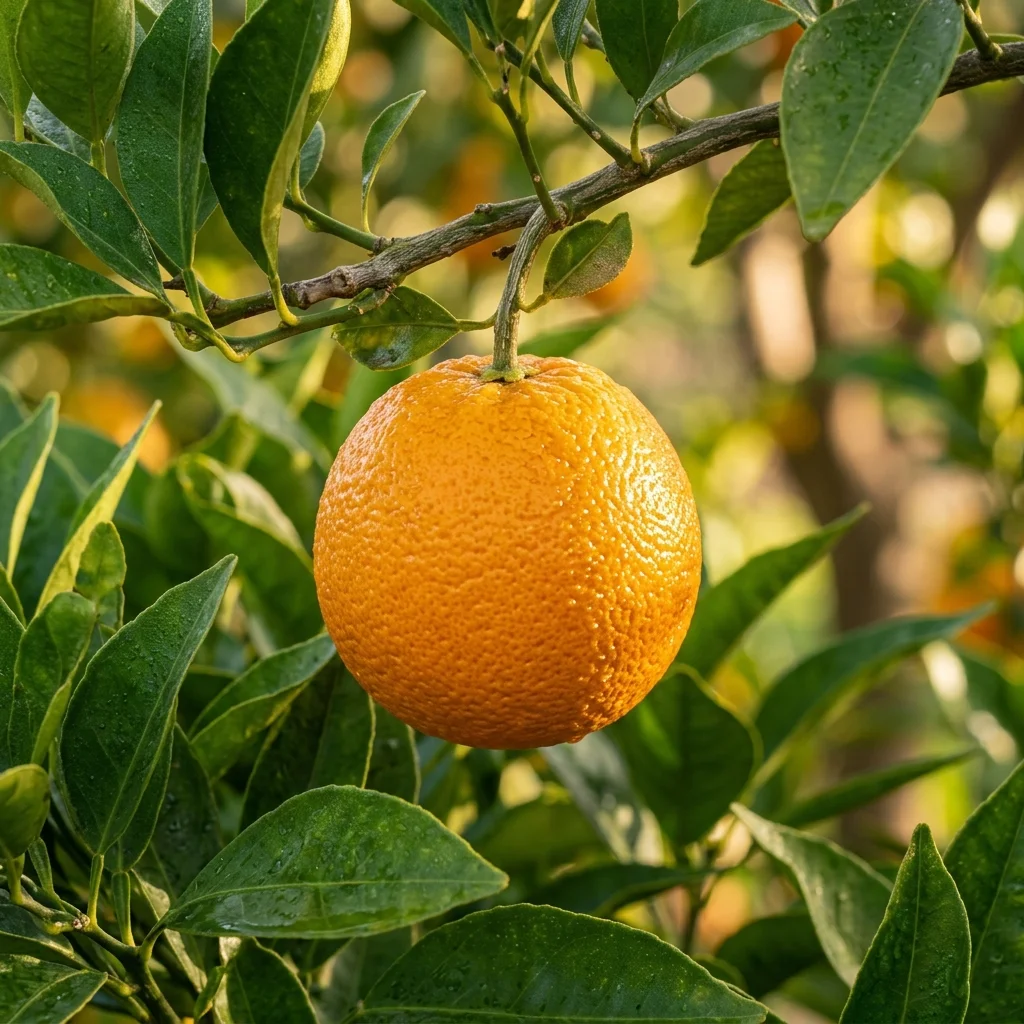
Botanical macro photography of Sweet Orange (Citrus sinensis) - Plant AI care database

How to Identify Sweet Orange

Sweet Orange (Citrus sinensis) is a highly valued edible crop globally. Recognizing its definitive vegetative and fruit/vegetable structures is key to successful companion growing and harvesting.

  • Key Visual Features: Subtropical evergreen trees with dark green glossy leaves and rounded dense crowns.
  • Leaf & Stems: Oblong leaves with narrowly winged petioles; highly fragrant star-shaped white flowers.
  • Fruit/Edible Part: Round hesperidium fruits with orange dimpled leathery skin, sweet juicy pulpy segments.
💡 Plant AI Tip: Snap a photo with Plant AI to identify garden veggies and diagnose leaf spot diseases in 1 second.

Complete Growing & Harvesting Guide

Follow our detailed scientific agricultural cultivation guide to keep your Sweet Orange thriving and high-yielding.

Water deeply once every 7-10 days. Ensure soil dries slightly between waterings; oranges are prone to phytophthora root rot in soggy clay.
Prune in late winter before bloom. Focus on removing root suckers, water sprouts, and dead interior wood to maximize center sunlight.
Heavy feeder. Apply citrus-specific organic feed loaded with nitrogen, micronutrient iron, and zinc 3 times a year (spring, summer, autumn).
Demands absolute full sun, requiring 8+ hours of direct sunlight. Essential for high flower production and sweetening the acidic pulp.
Deep, fertile sandy loam with sharp drainage. Extremely intolerant of waterlogged heavy clay beds; build raised mounds if clay is present.
Plant in spring in a warm wind-sheltered spot. Do not bury the graft union, and keep grass at least 2 feet away from the trunk.
Thrives in subtropical climates. Extremely sensitive to frost; protect or wrap trunk if night temperatures drop below -1°C.
Space orange trees 10-15 feet apart to allow full canopy expansion and allow surrounding sun to hit lower fruiting spurs.
Watch out for citrus leafminers, aphids, and scale. Spray organic horticultural neem oil under young foliage.
Susceptible to Citrus Canker and Root Rot. Avoid overhead sprinklers to keep leaves dry, and prune for internal airflow.
Harvest when fruits turn completely orange (no green spots) and yield slightly to squeezing. Taste-test one before harvesting the crop.

Is your Sweet Orange leaves turning yellow, spotted or dying?

Protect your kitchen garden. Take a photo with Plant AI to diagnose pests and crop diseases instantly.

Diagnose My Crop

Common Diseases & Treatment

Citrus Canker (Bacterial)

Symptoms: Leaves and fruit show raised, brown, corky spots with yellow halos, leading to early defoliation and fruit drops.

Action: Prune infected twigs, avoid pruning in wet weather, and spray copper bactericide proactively in early spring.

Phytophthora Root Rot

Symptoms: Leaves turn pale green-yellow, branches die back, and bark at the soil line becomes dark, water-soaked, and leaks gum.

Action: Improve soil drainage immediately, expose root flares, and apply organic copper spray to tree base bark.

Frequently Asked Questions

Why is my orange tree dropping its green fruit early?

Natural thinning occurs in early summer. However, severe drop is caused by sudden drought stress, overwatering, or nitrogen deficiencies.

Do orange trees need cross-pollination to fruit?

No. Sweet orange trees are self-fertile and do not require another tree to set fruit, though bees help increase fruit sets.

Can I grow sweet oranges in cold climates?

Yes! Grow dwarf varieties (like Washington Navel) in large rolling pots and move them indoors near bright windows during freezing winters.

Are sweet orange leaves toxic to dogs?

Yes. Citrus leaves and peels contain phototoxic essential oils and psoralens which cause vomiting, drooling, and skin rashes in pets.

Harvest bountiful greens. Grow healthy edibles today!

Get Started for Free