Strawberry Growing & Harvesting Guide
Strawberry (Fragaria x ananassa) is the crown jewel of the home fruit garden. Famous for its low-growing runner habit, beautiful white flowers, and incredibly fragrant, sweet red heart-shaped fruits, this perennial is a favorite for raised beds and hanging baskets.





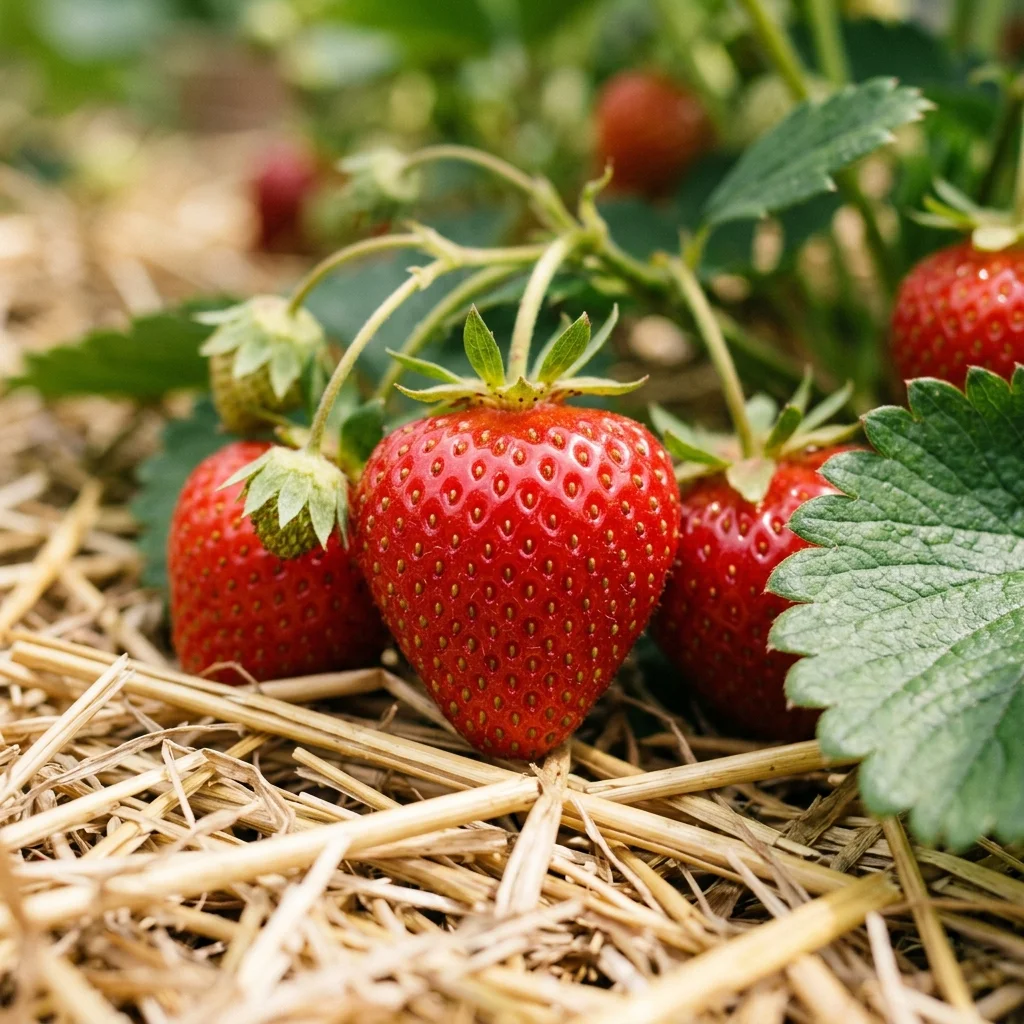
How to Identify Strawberry
Strawberry (Fragaria x ananassa) is a highly valued edible crop globally. Recognizing its definitive vegetative and fruit/vegetable structures is key to successful companion growing and harvesting.
-
✔
Key Visual Features: Low-growing, clump-forming herbaceous perennial spreading via creeping red stems (runners).
-
✔
Leaf & Stems: Trifoliate (three-parted) bright green serrated leaves; five-petaled white flowers with yellow centers.
-
✔
Fruit/Edible Part: Bright red heart-shaped accessory fruits studded with tiny yellow-brown seeds (achenes) on the surface.
Complete Growing & Harvesting Guide
Follow our detailed scientific agricultural cultivation guide to keep your Strawberry thriving and high-yielding.
Common Diseases & Treatment
Gray Mold (Botrytis)
Symptoms: Ripening strawberries develop a fuzzy, velvety gray fungal coating, decaying and rotting rapidly.
Crown Rot
Symptoms: The main crown turns brown, decays, and collapse; leaves wilt rapidly due to soil-borne pathogens in wet soil.
Frequently Asked Questions
Why are my strawberries small and misshapen?
Misshapen berries are caused by poor pollination during spring blooms. Encourage wild bees or hand-pollinate with a soft brush.
What should I do with the long runners (stolons)?
Clip runners off during the fruiting season to maximize berry size. In late summer, let them root to create free new plants.
How long do strawberry plants live?
Strawberry plants are perennials but their productivity drops after 3-4 years. Replace beds with fresh runners periodically.
Are strawberry plants safe for dogs?
Yes! The strawberry fruit is completely safe and nutritious for dogs in moderation. The leaves and stems are also non-toxic.