Raphanus sativus

Radish Growing & Harvesting Guide

Radish (Raphanus sativus) is the ultra-fast, crunchy favorite of the early spring vegetable bed. Famed for its highly spicy, round red roots and quick harvesting times, this cool-season crop requires consistent moisture to prevent woodiness and splitting.


Sunlight Icon
Sunlight Full Sun / Partial Shade
Watering Icon
Watering Consistent / Moderate
Soil Mix Icon
Soil pH Loose, Sandy Loam (pH 6.0-7.0)
Temperature Icon
Target Temp 10°C - 20°C
Toxicity Warning Icon
Toxicity Pet Friendly (Non-toxic)
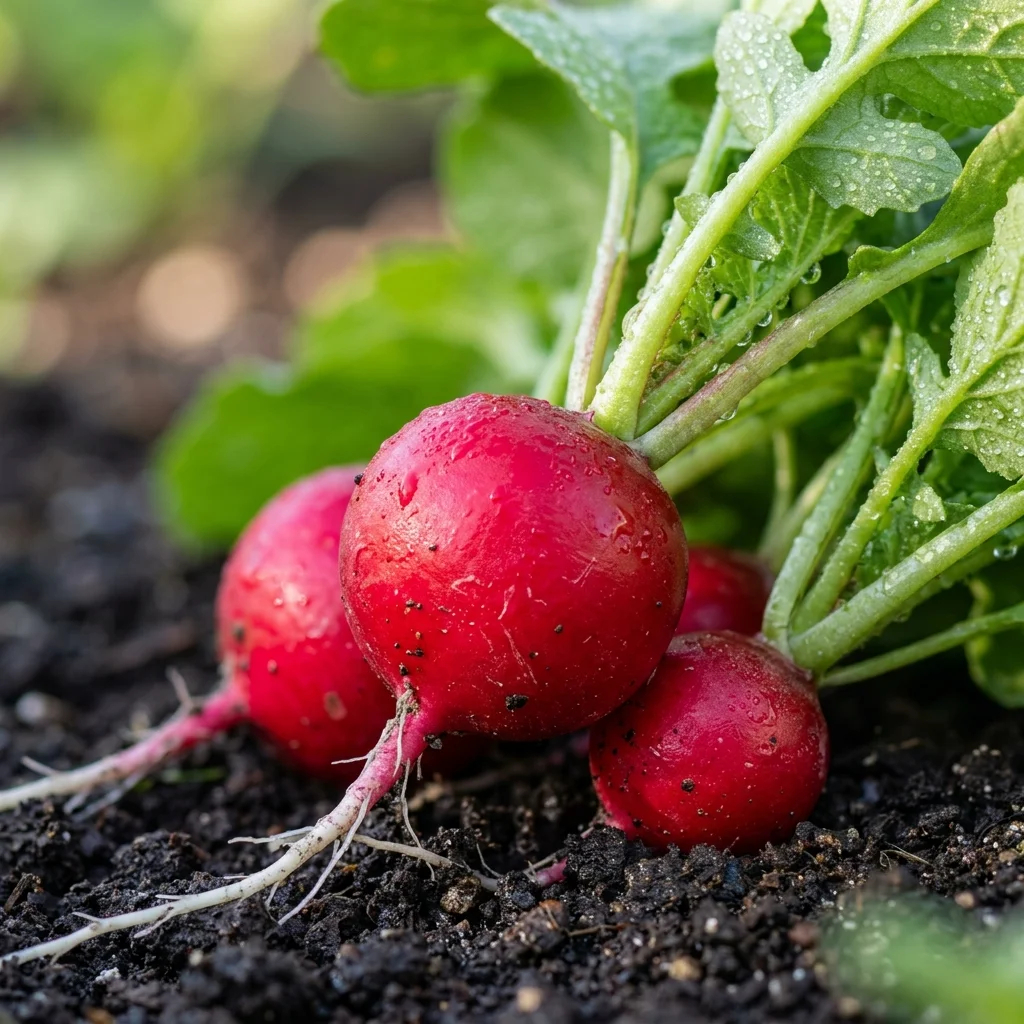
Botanical macro photography of Radish (Raphanus sativus) - Plant AI care database

How to Identify Radish

Radish (Raphanus sativus) is a highly valued edible crop globally. Recognizing its definitive vegetative and fruit/vegetable structures is key to successful companion growing and harvesting.

  • Key Visual Features: Low-growing, compact annuals forming small ground-hugging rosettes.
  • Leaf & Stems: Alternate, deeply lobed green leaves with hairy textures; tiny white-purple 4-petal flowers.
  • Fruit/Edible Part: Small, round or elongated bright red or white succulent roots, highly crisp and spicy.
💡 Plant AI Tip: Snap a photo with Plant AI to identify garden veggies and diagnose leaf spot diseases in 1 second.

Complete Growing & Harvesting Guide

Follow our detailed scientific agricultural cultivation guide to keep your Radish thriving and high-yielding.

Water regularly twice a week. Consistent moisture is vital; dry soil causes radishes to turn hot, woody, and split.
Prune away only dead lower leaves. Thin young radish seedlings diligently to 2 inches apart as soon as they sprout.
Avoid high-nitrogen fertilizers which cause massive leaves but tiny, stringy roots. Feed with low-nitrogen organic compost.
Thrives in full sun but easily tolerates partial shade. Afternoon shade prevents leaves from wilting in warm climates.
Requires fast-draining, loose, stone-free sandy loam (pH 6.0-7.0). Clay soils stunt and deform roots.
Sow seeds directly outdoors in early spring. Plant seeds very shallow (1/2 inch) in fine soil. Thin immediately.
Thrives in cool temperate climates. Ideal temperature range is 10°C-20°C. High heat triggers early bolting.
Space radishes 2 inches apart in rows spaced 6 inches apart. Wide spacing prevents misshapen or non-swelling roots.
Prone to flea beetles, cabbage maggots, and aphids. Use physical mesh row covers proactively from seeding.
Susceptible to Clubroot and Downy Mildew. Practice 4-year crop rotation and ensure excellent soil hygiene.
Harvest as soon as roots reach mature size (1 inch diameter for cherry radishes). Overripe radishes become woody and hollow.

Is your Radish leaves turning yellow, spotted or dying?

Protect your kitchen garden. Take a photo with Plant AI to diagnose pests and crop diseases instantly.

Diagnose My Crop

Common Diseases & Treatment

Root Splitting (Physiological)

Symptoms: Radish roots split open vertically, exposing the interior to soil rot and making the flesh tough and unpalatable.

Action: Maintain exceptionally consistent soil moisture, avoid high nitrogen feeding, and harvest immediately at mature size.

Pithiness (Physiological)

Symptoms: Roots become hollow, spongy, dry, and lose their crisp, juicy crunch, turning woody and bitter.

Action: Avoid high temperatures during root swelling, water consistently, and do not leave radishes in the soil too long.

Frequently Asked Questions

Why are my radishes growing all leaves but no roots?

High nitrogen fertilizer, over-crowding (lack of thinning), or hot summer weather cause radishes to fail to swell their roots.

How fast do radishes grow from seed?

Extremely fast! Cherry radishes are ready to harvest in just 21 to 25 days from sowing, making them the fastest garden crop.

Are radish leaves edible?

Yes! Radish greens are highly nutritious, tasting slightly peppery. Harvest younger, tender leaves for salads or pestos.

Are radishes safe for pet dogs?

Yes. Radishes are completely non-toxic and pet-safe in small quantities. They provide healthy dietary fiber and potassium.

Harvest bountiful greens. Grow healthy edibles today!

Get Started for Free