Quince Growing & Harvesting Guide
Quince (Cydonia oblonga), the ancient golden pear of aromatic orchards, is an exceptionally high-value pome tree. Prized for its highly fragrant pineapple-pear fruits and beautiful spring blooms, this gnarly deciduous species demands shelter from wind, moisture-retaining loam, and fire-blight protection.




How to Identify Quince
Quince (Cydonia oblonga) is a highly valued edible crop globally. Recognizing its definitive vegetative and fruit/vegetable structures is key to successful companion growing and harvesting.
-
✔
Key Visual Features: Small deciduous tree or large shrub growing 12 to 15 feet tall with a gnarly branch habit.
-
✔
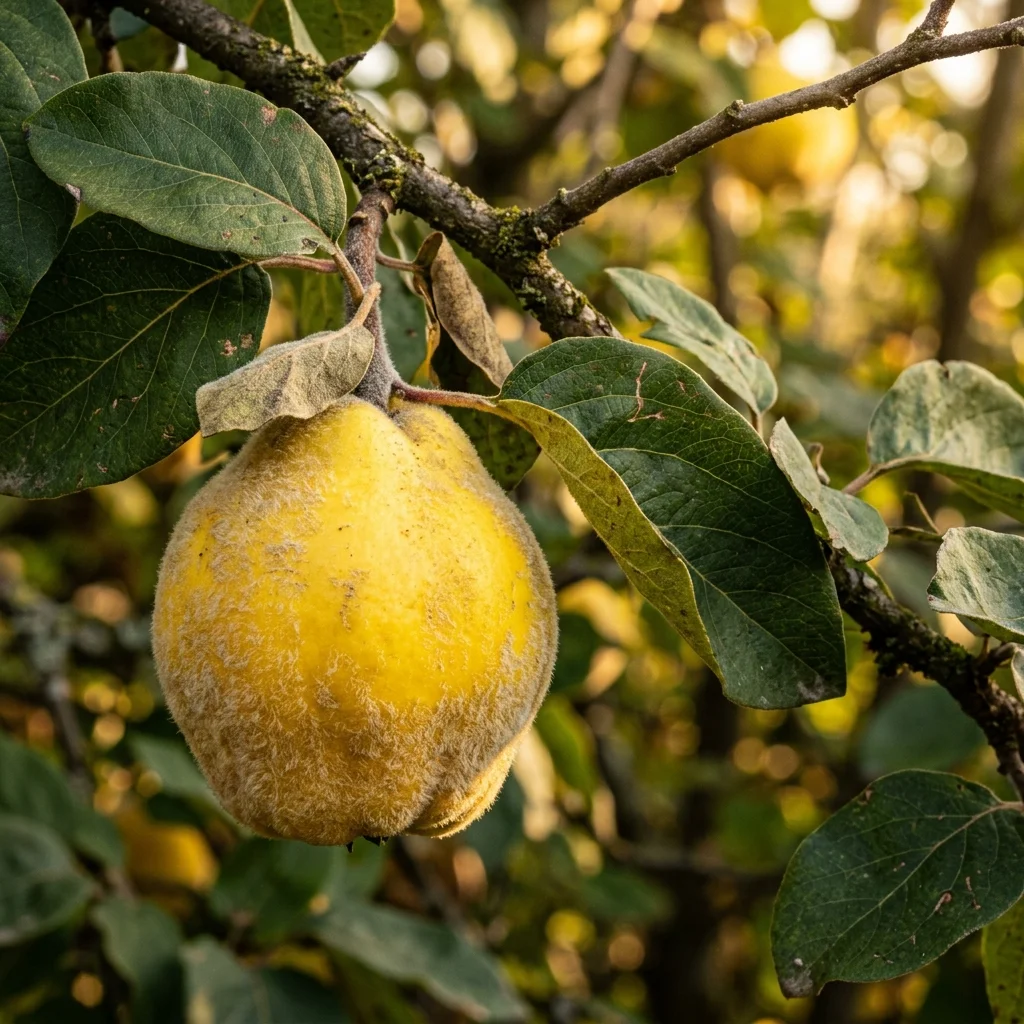
Leaf & Stems: Round-oval dark green leaves with pale felted undersides; produces large, beautiful pale pink blossoms.
-
✔
Fruit/Edible Part: Large, pear-shaped bright golden-yellow fruit covered in fine, light grey felted woolly down.
Complete Growing & Harvesting Guide
Follow our detailed scientific agricultural cultivation guide to keep your Quince thriving and high-yielding.
Common Diseases & Treatment
Quince Fire Blight (Erwinia)
Symptoms: Twigs, leaves, and blossoms turn black, shrivel, and look scorched by fire; branches die back rapidly.
Quince Rust (Gymnosporangium)
Symptoms: Leaves and developing fruits develop bright orange, swollen spots with tiny cup-like spore tubes.
Frequently Asked Questions
Can I eat quince fruit raw?
Quince is extremely hard, astringent, and sour when raw. Cooking turns the hard white flesh into a beautiful, fragrant pink sweet treat.
Why is my quince fruit covered in a grey fuzzy coating?
This grey fuzzy down (tomentum) is a natural skin protection. It rubs off easily as the fruit ripens and turns golden-yellow.
Why is my quince tree dropping its flowers without setting fruit?
Quince is self-fertle, but cold wet spring weather can prevent bee pollination. Ensure a sunny, wind-protected site to support pollinators.
Are quinces safe for dogs and cats to eat?
The cooked quince flesh is safe in moderation. However, raw quince fruit is highly acidic, and its seeds contain cyanogenic glycosides which are highly toxic to pets.