Cucurbita maxima

Pumpkin Growing & Harvesting Guide

Pumpkin (Cucurbita maxima), the giant classic of the autumn harvest, is an incredibly fun crop to grow. Requiring vast garden space to accommodate its vigorous sprawling vines, this heavy feeder reward growers with stunning orange fruits when provided deep soil and node-rooting guidance.


Sunlight Icon
Sunlight Full Sun (6+ hours)
Watering Icon
Watering Deep / Constant
Soil Mix Icon
Soil pH Rich, Compost-Rich Sandy Loam (pH 6.0-6.8)
Temperature Icon
Target Temp 18°C - 30°C
Toxicity Warning Icon
Toxicity Pet Friendly (Non-toxic)
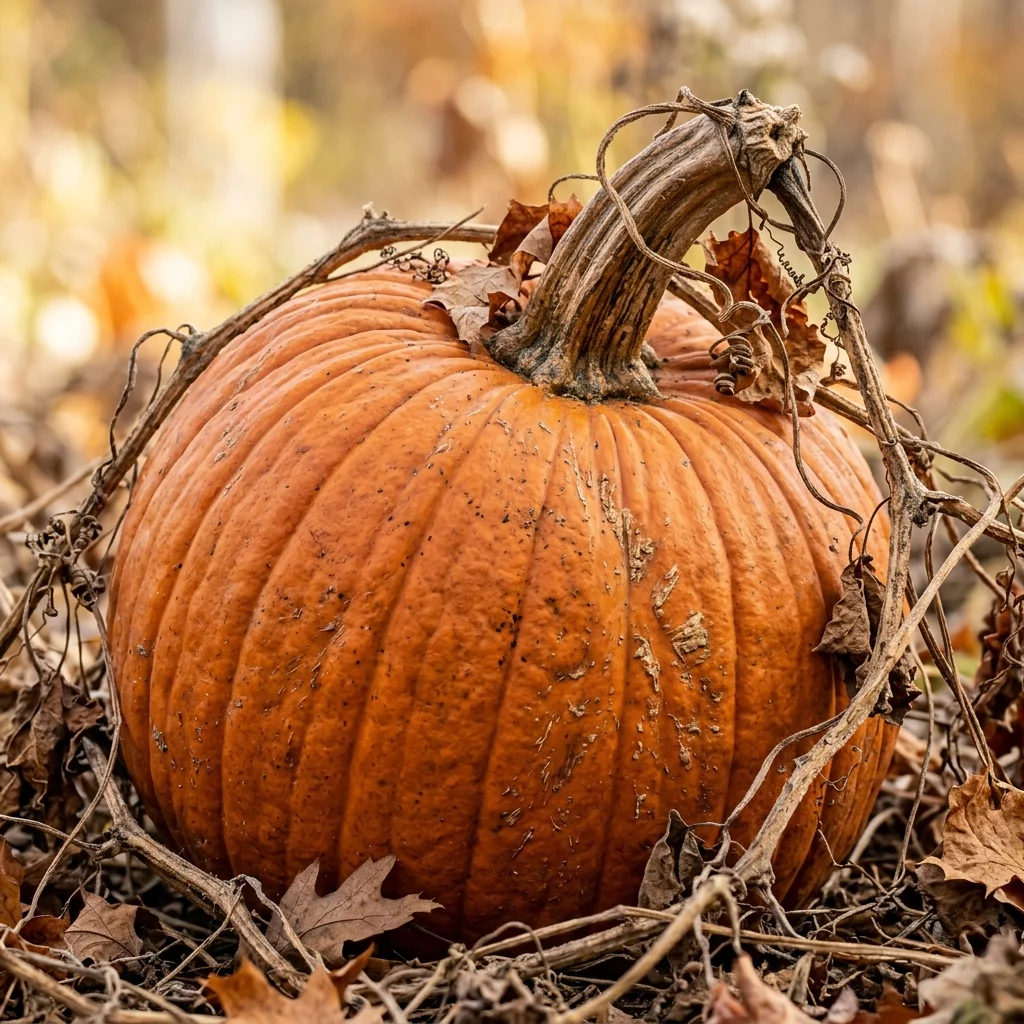
Botanical macro photography of Pumpkin (Cucurbita maxima) - Plant AI care database

How to Identify Pumpkin

Pumpkin (Cucurbita maxima) is a highly valued edible crop globally. Recognizing its definitive vegetative and fruit/vegetable structures is key to successful companion growing and harvesting.

  • Key Visual Features: Extremely long, sprawling annual vine with thick prickled stems and large rounded leaves.
  • Leaf & Stems: Vines trail up to 20 feet; produces large, bright yellow, single unisexual flowers.
  • Fruit/Edible Part: Large, round or ribbed orange fruit with thick hard rind, yellow-orange flesh, and flat seeds.
💡 Plant AI Tip: Snap a photo with Plant AI to identify garden veggies and diagnose leaf spot diseases in 1 second.

Complete Growing & Harvesting Guide

Follow our detailed scientific agricultural cultivation guide to keep your Pumpkin thriving and high-yielding.

Water deeply, providing 1.5 to 2 inches of water weekly. Focus irrigation at the root base; avoid spraying large vine leaves.
Prune secondary vines and pinch off growth tips late in the season to redirect all energy into ripening the main pumpkin fruits.
Heavy feeder. Apply compost-rich manure before planting. Feed high-nitrogen early on, then switch to high-potassium once blooms appear.
Demands absolute full sun, requiring 6 to 8+ hours of direct light daily to fuel vine growth and sweeten fruit flesh.
Prefers extremely rich, deep, fast-draining sandy loam heavily amended with aged manure and compost (pH 6.0-6.8).
Direct sow seeds in hills (3-4 seeds per hill) spaced 6 feet apart after soil warms. Thin to the strongest seedling per hill.
Thrives in warm summer conditions. Highly sensitive to cold; growth halts below 15°C and frost kills the vine completely.
Ensure massive spacing. Vine trails extend 15-20 feet. Bury vine nodes (hilling) to encourage secondary roots for nutrient absorption.
Prone to squash vine borers, squash bugs, and cucumber beetles. Apply row covers until flowering begins.
Susceptible to Powdery Mildew and Anthracnose. Water early in the morning so leaves dry rapidly in the sun.
Harvest before heavy frost when the rind is hard and turns a solid deep orange, and the supporting stem becomes woody and dry.

Is your Pumpkin leaves turning yellow, spotted or dying?

Protect your kitchen garden. Take a photo with Plant AI to diagnose pests and crop diseases instantly.

Diagnose My Crop

Common Diseases & Treatment

Anthracnose (Colletotrichum)

Symptoms: Circular, water-soaked spots appear on leaves and fruit, expanding into dark sunken lesions that exude pink spores in wet weather.

Action: Practice a 3-year crop rotation, destroy all plant debris in autumn, and spray copper fungicide at first sign.

Powdery Mildew (Erysiphe)

Symptoms: Foliage develops a white, flour-like fungal coating, reducing plant vigor and causing leaves to shrivel and die prematurely.

Action: Select resistant varieties, maximize spacing for wind flow, and spray neem oil or sulfur-based organic fungicides.

Frequently Asked Questions

How can I grow a truly giant pumpkin?

Select a giant strain (like Atlantic Giant), prune secondary vines, hand-pollinate, and pinch off all but one single fruit per vine.

Why is my pumpkin vine growing flowers but no pumpkins?

Early flowers are male. Male blooms will drop off. Female flowers (identifiable by the miniature green bulb at base) will appear later.

Should I bury the trailing pumpkin vines in the soil?

Yes! Cover trailing vine joints (nodes) with moist soil. This encourages secondary root systems to develop, dramatically boosting nutrient intake.

Is pumpkin pulp safe for pet cats and dogs?

Yes! Plain, cooked pumpkin puree (without spices) is highly beneficial for dogs and cats, providing rich soluble fiber to aid digestion.

Harvest bountiful greens. Grow healthy edibles today!

Get Started for Free