Solanum tuberosum

Potato Growing & Harvesting Guide

Potato (Solanum tuberosum) is the starchy, heavy-yielding staple of the home vegetable patch. Famed for its highly nutritious underground tubers, this robust nightshade crop requires deep, loose acidic soils and continuous hilling to prevent green skin solanine accumulation.


Sunlight Icon
Sunlight Full Sun (6+ hours)
Watering Icon
Watering Deep / Regular
Soil Mix Icon
Soil pH Sandy/Acidic Loam (pH 4.8-5.5)
Temperature Icon
Target Temp 12°C - 20°C
Toxicity Warning Icon
Toxicity Toxic to Pets (Raw/Green skin)
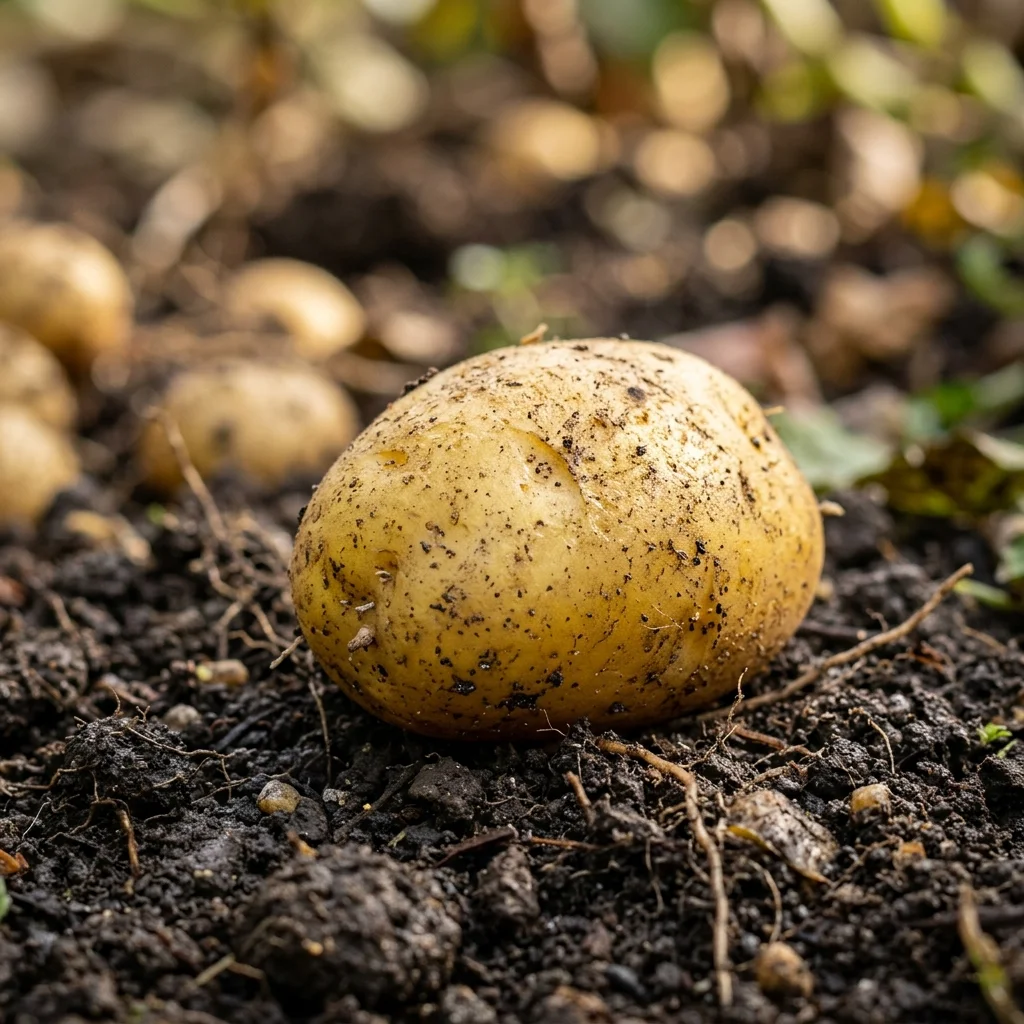
Botanical macro photography of Potato (Solanum tuberosum) - Plant AI care database

How to Identify Potato

Potato (Solanum tuberosum) is a highly valued edible crop globally. Recognizing its definitive vegetative and fruit/vegetable structures is key to successful companion growing and harvesting.

  • Key Visual Features: Bushy, upright herbaceous plants with succulent green stems and compound leaves.
  • Leaf & Stems: Alternate pinnate green leaves; clusters of star-shaped white-purple blossoms with yellow centers.
  • Fruit/Edible Part: Underground starch-rich modified stems (tubers) with thin brown, red, or gold skins and white or yellow flesh.
💡 Plant AI Tip: Snap a photo with Plant AI to identify garden veggies and diagnose leaf spot diseases in 1 second.

Complete Growing & Harvesting Guide

Follow our detailed scientific agricultural cultivation guide to keep your Potato thriving and high-yielding.

Water deeply once a week, receiving 1 to 1.5 inches of water. Maintain consistent soil moisture during tuber swelling.
Prune away only diseased lower foliage. Do not cut the main stems. Let foliage die back naturally in fall before harvest.
Apply organic fertilizer rich in phosphorus and potassium. Avoid high-nitrogen feeds which cause massive leaves but tiny tubers.
Requires full sun, demanding 6+ hours of direct light daily. Direct sunlight is vital for abundant carbohydrate production.
Needs deep, loose, fast-draining sandy loam with highly acidic pH (4.8-5.5) to prevent common potato scab disease.
Plant sprouted seed potatoes in trenches in spring. Bury seed potatoes 4 inches deep, eyes pointing up. Hill soil as stalks grow.
Thrives in cool climates. Ideal temperature range is 12°C-20°C. Stalks suffer severe frostbite; protect with soil hilling.
Space seed potatoes 12 inches apart in rows spaced 3 feet apart. Tall bushy plants require ample space and hilling.
Prone to Colorado potato beetles, wireworms, and aphids. Hand-pick pests and apply organic spinosad spray proactively.
Highly susceptible to Late Blight and Scab. Practice 4-year crop rotation and use certified disease-free seed stock.
Harvest 'new potatoes' 2 weeks after flowering. For maincrop storage potatoes, wait 2 weeks after foliage dies back completely.

Is your Potato leaves turning yellow, spotted or dying?

Protect your kitchen garden. Take a photo with Plant AI to diagnose pests and crop diseases instantly.

Diagnose My Crop

Common Diseases & Treatment

Late Blight (Phytophthora)

Symptoms: Leaves develop dark, water-soaked brown lesions with white mold underneath, spreading rapidly and rotting tubers into mush.

Action: Plant certified disease-resistant seed potatoes, destroy infected vines, and spray organic copper proactively in wet seasons.

Common Potato Scab (Streptomyces)

Symptoms: Tubers develop dry, brown, corky, raised or pitted rough scars on their skins, ruining the appearance but not flesh.

Action: Maintain highly acidic soil pH (4.8-5.5) using sulfur, avoid fresh manure, and ensure consistent soil moisture.

Frequently Asked Questions

Why are some of my harvested potatoes turning green?

Exposure to sunlight triggers chlorophyll and a toxic compound called solanine. Always hill soil over developing tubers.

What is 'hilling' and why is it necessary?

Hilling is mounding soil up around the potato stems as they grow. This protects shallow tubers from sun exposure and increases yields.

Can I plant potatoes bought from the grocery store?

Avoid store-bought potatoes. They are often treated with sprout inhibitors and can carry soil-borne viruses. Buy certified seed potatoes.

Are raw green potatoes safe for pet dogs?

No. Raw potatoes, especially green skins and sprouts, contain high amounts of solanine which is highly toxic to dogs and cats. Cooked skinless potatoes are safe.

Harvest bountiful greens. Grow healthy edibles today!

Get Started for Free