Prunus domestica

Plum Growing & Harvesting Guide

Plum (Prunus domestica) is the versatile, heavy-yielding star of the stone fruit orchard. Prized for its sweet, complex-flavored juicy drupes, this beautiful deciduous tree is highly resilient, thriving across a wide range of temperate climates.


Sunlight Icon
Sunlight Full Sun (6-8 hours)
Watering Icon
Watering Deep / Regular
Soil Mix Icon
Soil pH Loamy/Well-Drained (pH 6.0-6.8)
Temperature Icon
Target Temp -20°C - 35°C
Toxicity Warning Icon
Toxicity Toxic to Pets (Pit/Foliage)
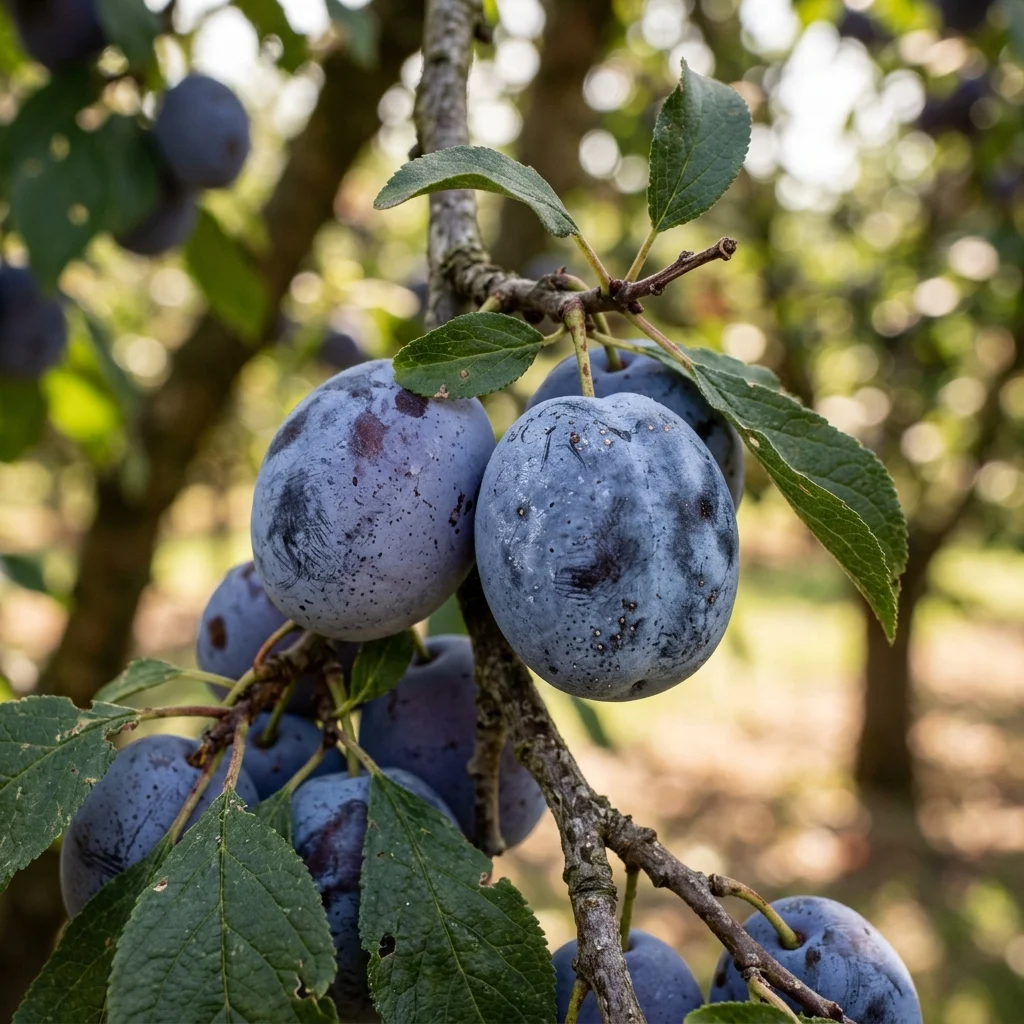
Botanical macro photography of Plum (Prunus domestica) - Plant AI care database

How to Identify Plum

Plum (Prunus domestica) is a highly valued edible crop globally. Recognizing its definitive vegetative and fruit/vegetable structures is key to successful companion growing and harvesting.

  • Key Visual Features: Deciduous medium-sized trees with rounded crowns and slightly thorny young branches.
  • Leaf & Stems: Finely serrated, dull green oval leaves; clusters of small white-pink spring blossoms.
  • Fruit/Edible Part: Globose, smooth-skinned drupe fruits turning deep purple, red, or yellow, containing a flat stone pit.
💡 Plant AI Tip: Snap a photo with Plant AI to identify garden veggies and diagnose leaf spot diseases in 1 second.

Complete Growing & Harvesting Guide

Follow our detailed scientific agricultural cultivation guide to keep your Plum thriving and high-yielding.

Water deeply once every 10 days. Ensure stable soil moisture during fruit swell to prevent fruit drop and cracking.
Prune in late spring or summer to avoid Silver Leaf disease. Train European plums to central leaders, Japanese to open centers.
Apply balanced organic fruit tree food in early spring. Avoid heavy nitrogen which delays winter wood hardening.
Demands full sun for at least 6-8 hours daily. Promotes deep color development and high sugar content.
Thrives in deep, rich loam with excellent organic drainage. Tolerates heavier clay soils better than peaches.
Plant dormant bareroot trees in early spring. Stake young trees if planted in windy orchard locations.
Requires temperate winters. Cold hardy once dormant down to -20°C, but protect early blossoms from frost.
Space standard plum trees 12-18 feet apart to ensure good sun exposure and adequate cross-ventilation.
Prone to aphids, plum curculio, and spider mites. Apply organic neem oil sprays during active growth.
Susceptible to Black Knot and Brown Rot. Prune out dark warty twigs and spray copper fungicide.
Harvest when fruits yield to soft pressure, develop their full deep color, and have a dusty white waxy bloom.

Is your Plum leaves turning yellow, spotted or dying?

Protect your kitchen garden. Take a photo with Plant AI to diagnose pests and crop diseases instantly.

Diagnose My Crop

Common Diseases & Treatment

Black Knot (Fungal)

Symptoms: Branches develop rough, swollen, charcoal-black warty knots that encircle twigs and choke growth.

Action: Prune off infected twigs 4 inches below knots during winter dormancy and apply copper spray.

Brown Rot (Fungal)

Symptoms: Ripening plums show circular decaying spots that rapidly develop concentric fuzzy tan fungal rings.

Action: Remove mummified fruit from trees and ground, prune branches for airflow, and apply sulphur fungicide.

Frequently Asked Questions

Why is my plum tree dropping all its fruit early?

Plums naturally thin themselves in early summer. However, severe drop is triggered by lack of water or pest curculio infestations.

Do I need two different plum trees for cross-pollination?

European plums are often self-fertile, but Japanese plums require cross-pollination with another Japanese variety blooming simultaneously.

What is the white powdery film on my plums?

This is 'bloom', a completely natural, non-toxic waxy coating produced by the plum to protect itself from water loss and rot.

Are plum leaves and pits toxic to dogs?

Yes. Stone fruit pits and wilted leaves contain cyanogenic glycosides which release toxic cyanide if chewed or swallowed by pets.

Harvest bountiful greens. Grow healthy edibles today!

Get Started for Free