Prunus persica

Peach Growing & Harvesting Guide

Peach (Prunus persica) is the juicy, velvet-skinned crown jewel of the summer orchard. Highly prized for its incredibly sweet, fragrant drupe fruits, this fast-growing deciduous stone fruit thrives in warm climates, bringing melting summer flavors to home gardens.


Sunlight Icon
Sunlight Full Sun (8 hours)
Watering Icon
Watering Moderate / Regular
Soil Mix Icon
Soil pH Sandy/Sandy-Loam (pH 6.0-6.5)
Temperature Icon
Target Temp -15°C - 38°C
Toxicity Warning Icon
Toxicity Toxic to Pets (Pit/Foliage)
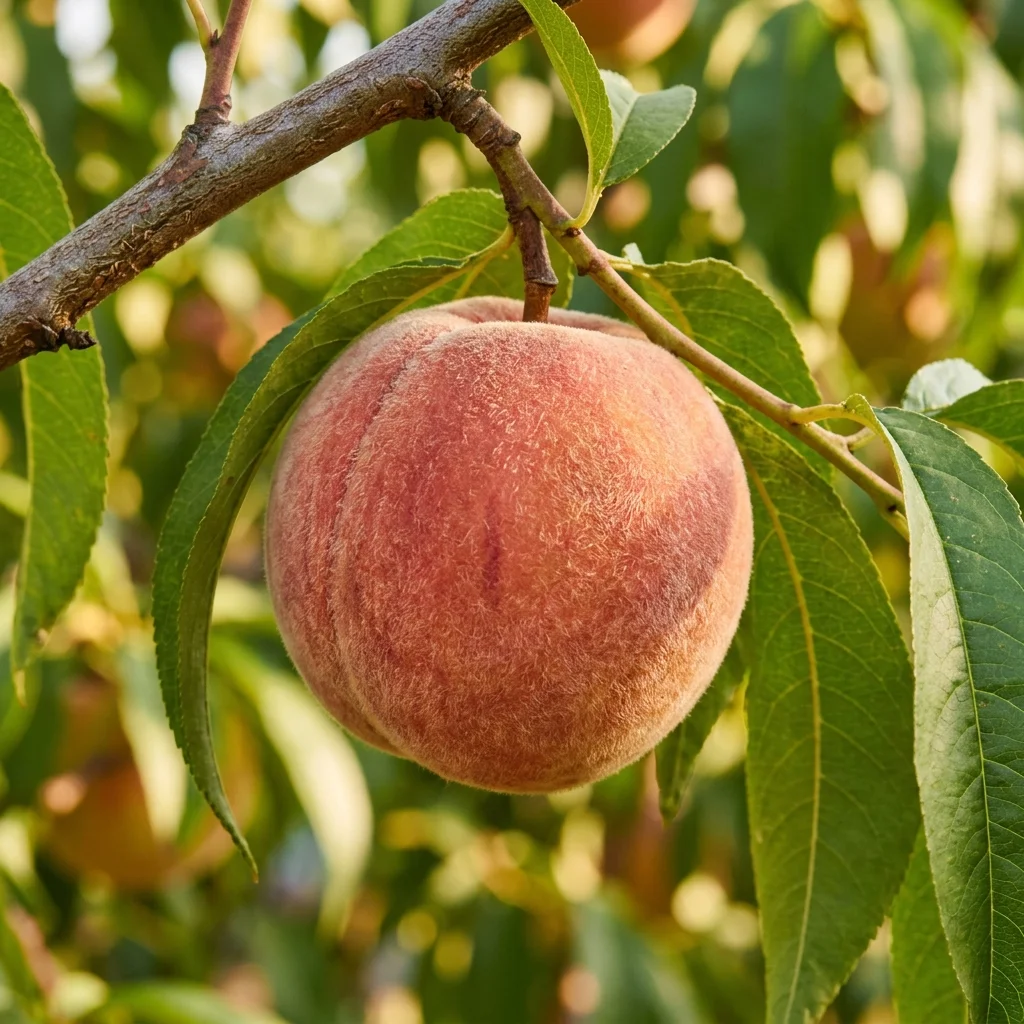
Botanical macro photography of Peach (Prunus persica) - Plant AI care database

How to Identify Peach

Peach (Prunus persica) is a highly valued edible crop globally. Recognizing its definitive vegetative and fruit/vegetable structures is key to successful companion growing and harvesting.

  • Key Visual Features: Medium-sized deciduous trees with spreading, open vase-like growth structures.
  • Leaf & Stems: Long, lance-shaped dark green leaves; beautiful, fragrant pink spring blossoms.
  • Fruit/Edible Part: Velvety, fuzzy-skinned rounded fruits turning yellow, orange, and red with single hard stone pits.
💡 Plant AI Tip: Snap a photo with Plant AI to identify garden veggies and diagnose leaf spot diseases in 1 second.

Complete Growing & Harvesting Guide

Follow our detailed scientific agricultural cultivation guide to keep your Peach thriving and high-yielding.

Water deeply once a week during dry periods. Stable moisture is crucial during fruit swell to prevent skin splitting.
Prune annually in late winter to an open-center 'vase' shape. This allows direct sunlight to reach the inner fruit-bearing wood.
Apply a balanced organic fertilizer in early spring. Avoid excessive late-summer nitrogen which delays wood dormancy.
Demands absolute full sun, requiring 8 hours of intense direct sunlight. Essential for fruit color and high sugars.
Prefers light, sandy loam that is deep and extremely fast-draining. Highly sensitive to wet feet and root rot.
Plant bare-root trees in late winter. Ensure graft union is above ground and apply organic compost mulch.
Requires mild winters (low chill hours). Late spring frosts can destroy flowers; protect blooms in cold snaps.
Space peach trees 12-15 feet apart to allow the spreading open-center branches room to expand.
Prone to peach tree borers, plum curculio, and oriental fruit moths. Use pheromone traps or spray neem oil.
Highly susceptible to Peach Leaf Curl and Brown Rot. Proactive organic copper spray is mandatory in winter.
Harvest when peaches are fully colored (no green near the stem), emit a rich fragrance, and yield slightly to gentle thumb pressure.

Is your Peach leaves turning yellow, spotted or dying?

Protect your kitchen garden. Take a photo with Plant AI to diagnose pests and crop diseases instantly.

Diagnose My Crop

Common Diseases & Treatment

Peach Leaf Curl (Fungal)

Symptoms: Emerging spring leaves turn thick, puckered, blistered, and reddish-purple, dropping off prematurely.

Action: Spray copper fungicide once in late autumn after leaf drop, and once more in late winter before bud swell.

Brown Rot (Fungal)

Symptoms: Ripening peaches develop rapidly expanding circular brown spots, covered in fuzzy tan fungal spore tufts.

Action: Remove and destroy all mummified winter fruit, prune for airflow, and apply organic sulfur spray before harvest.

Frequently Asked Questions

Why are my peach tree leaves curling and bubbling?

This is Peach Leaf Curl, a severe fungal disease. Once leaves bubble, spraying is useless. You must spray copper fungicide during winter dormancy.

Do I need to thin the small peaches on my tree?

Yes! Space peaches 6 inches apart in early summer. This prevents heavy branches from snapping and increases individual fruit size.

Is my peach tree self-pollinating?

Yes! Most peach varieties are self-fertile, meaning you only need to plant one tree to get a bountiful harvest.

Are peach pits toxic to dogs and cats?

Yes. The hard pit contains amygdalin, a cyanide compound. It also poses a severe physical choking and intestinal blockage hazard.

Harvest bountiful greens. Grow healthy edibles today!

Get Started for Free