Brassica rapa subsp. pekinensis

Napa Cabbage Growing & Harvesting Guide

Napa Cabbage (Brassica rapa subsp. pekinensis) is the sweet, crisp crown jewel of the Asian fall garden. Famous for its tightly packed, barrel-shaped light green heads and mild, watery crunch, this fast-growing brassica is the essential ingredient for authentic kimchi.


Sunlight Icon
Sunlight Full Sun / Partial Shade
Watering Icon
Watering Deep / Consistent
Soil Mix Icon
Soil pH Rich, Moisture-Retentive (pH 6.0-6.8)
Temperature Icon
Target Temp 12°C - 20°C
Toxicity Warning Icon
Toxicity Pet Friendly (Non-toxic)
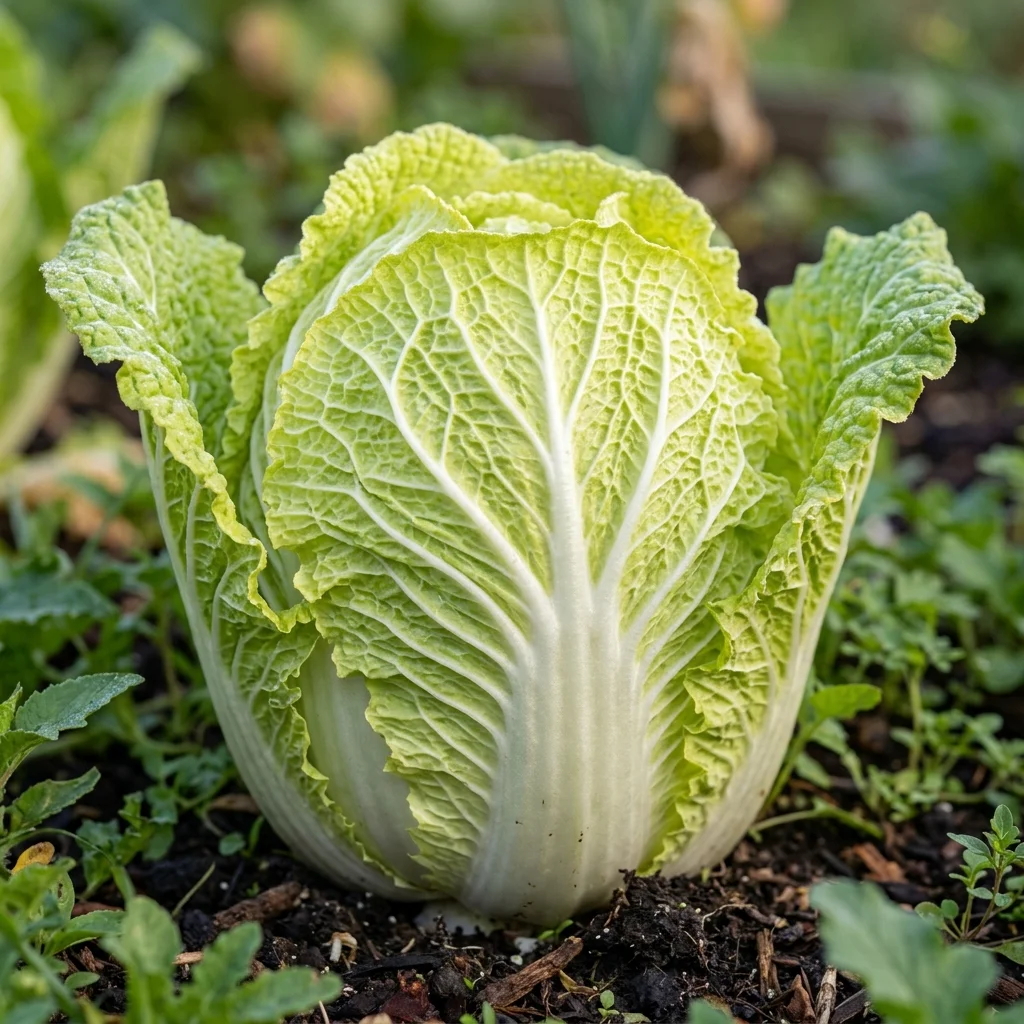
Botanical macro photography of Napa Cabbage (Brassica rapa subsp. pekinensis) - Plant AI care database

How to Identify Napa Cabbage

Napa Cabbage (Brassica rapa subsp. pekinensis) is a highly valued edible crop globally. Recognizing its definitive vegetative and fruit/vegetable structures is key to successful companion growing and harvesting.

  • Key Visual Features: Upright, compact herbaceous plants forming a dense, barrel-shaped cylindrical head.
  • Leaf & Stems: Broad, light green crinkled leaves with wide, white succulent midribs and wavy margins.
  • Fruit/Edible Part: A tightly wrapped cylindrical head with sweet, pale yellow-green interior leaves and a mild watery crunch.
💡 Plant AI Tip: Snap a photo with Plant AI to identify garden veggies and diagnose leaf spot diseases in 1 second.

Complete Growing & Harvesting Guide

Follow our detailed scientific agricultural cultivation guide to keep your Napa Cabbage thriving and high-yielding.

Requires exceptionally consistent watering, receiving 1 to 1.5 inches of water per week. Dry soil triggers calcium deficiency.
Prune only the yellowing lower outer leaves. Avoid cutting the central head. Keep soil surrounding heads clean to prevent slugs.
Apply balanced organic vegetable fertilizer rich in nitrogen and calcium every 3 weeks during rapid leaf development.
Requires full sun but benefits from afternoon shade in warm climates. Shaded locations prevent early bolting.
Needs deep, fast-draining sandy loam rich in organic compost (pH 6.0-6.8) with high moisture-retention capacity.
Sow seeds directly outdoors in late summer once soil is workable. Protect young seedlings from hot dry wind.
Thrives in cool climates. Ideal temperature range is 12°C-20°C. High heat (above 25°C) triggers early bolting.
Space plants 12-18 inches apart. Wide spacing is vital to allow the large barrel heads to form properly.
Prone to flea beetles, cabbage worms, and slugs. Use physical row covers and apply diatomaceous earth proactively.
Susceptible to Soft Rot, Downy Mildew, and Tipburn (Calcium deficiency). Practice 4-year crop rotation.
Harvest when the cylindrical head feels firm and compact to gentle squeezing. Cut at soil level with a sharp blade.

Is your Napa Cabbage leaves turning yellow, spotted or dying?

Protect your kitchen garden. Take a photo with Plant AI to diagnose pests and crop diseases instantly.

Diagnose My Crop

Common Diseases & Treatment

Tipburn (Calcium Deficiency)

Symptoms: Youngest inner leaves develop dark brown, dried, papery margins, leading to hidden rot inside the compact head.

Action: Maintain exceptionally consistent watering, add calcium-rich bone meal to soil, and avoid high nitrogen fertilizing.

Bacterial Soft Rot

Symptoms: Water-soaked spots on lower stems turn soft, mushy, and rot rapidly with a foul decomposed smell in wet weather.

Action: Improve soil drainage, reduce watering, remove infected plants immediately, and avoid overhead watering.

Frequently Asked Questions

Why is the inside of my napa cabbage rotting?

Calcium deficiency (Tipburn) or bacterial soft rot cause hidden interior rot. Maintain highly consistent watering and apply bone meal.

How long does it take to grow napa cabbage?

It takes about 60 to 75 days from seed to harvest, depending on cool weather stability and proper spacing.

Can I grow napa cabbage in the fall?

Yes! Fall is the ideal season. Start seeds in mid-summer so heads mature during cool autumn weather, which sweetens flavor.

Are napa cabbage leaves safe for pet dogs?

Yes. Napa cabbage leaves are completely non-toxic and pet-safe in small quantities. Feed raw or steamed as a healthy snack.

Harvest bountiful greens. Grow healthy edibles today!

Get Started for Free