Mangifera indica

Mango Growing & Harvesting Guide

Mango (Mangifera indica), the undisputed king of tropical stone fruits, is a glorious tree famed for its fragrant, juicy peach-like flesh. Flourishing under relentless heat, this majestic evergreen tree rewards the gardener with sweet solar flavor and gorgeous dark green foliage canopy.


Sunlight Icon
Sunlight Full Sun (8+ hours)
Watering Icon
Watering Deep / Infrequent
Soil Mix Icon
Soil pH Sandy Loam/Neutral (pH 5.5-7.5)
Temperature Icon
Target Temp 15°C - 42°C
Toxicity Warning Icon
Toxicity Toxic to Pets (Sap/Leaves/Pit)
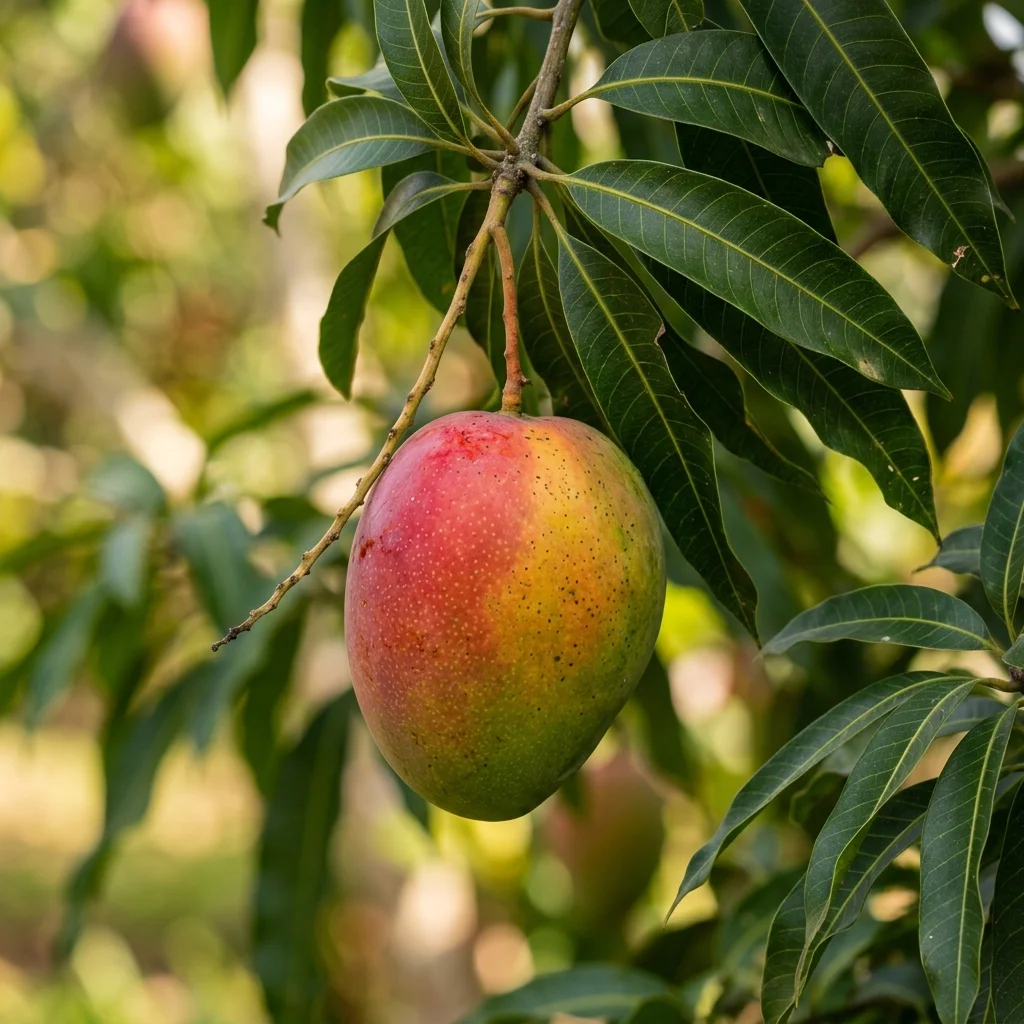
Botanical macro photography of Mango (Mangifera indica) - Plant AI care database

How to Identify Mango

Mango (Mangifera indica) is a highly valued edible crop globally. Recognizing its definitive vegetative and fruit/vegetable structures is key to successful companion growing and harvesting.

  • Key Visual Features: Large, dome-shaped evergreen trees with deep roots and highly dense green foliage.
  • Leaf & Stems: Long, lanceolate dark green leaves that emerge a striking reddish-purple; large terminal panicle flowers.
  • Fruit/Edible Part: Large, oval or kidney-shaped drupes with smooth, colorful skin and sweet golden fibrous pulp surrounding a single flat seed.
💡 Plant AI Tip: Snap a photo with Plant AI to identify garden veggies and diagnose leaf spot diseases in 1 second.

Complete Growing & Harvesting Guide

Follow our detailed scientific agricultural cultivation guide to keep your Mango thriving and high-yielding.

Water deeply during first years. Established trees are drought-tolerant; cease watering in winter to stimulate spring blooming.
Prune annually after harvest. Focus on keeping the center open for sun penetration and keeping the tree at a manageable height.
Apply balanced organic citrus/fruit fertilizer in spring. Supplement with boron and zinc micronutrients to improve fruit set.
Demands absolute full sun, requiring 8+ hours of intense direct sunlight daily. Shaded branches will not produce flower buds.
Extremely adaptable, but thrives in deep, fast-draining sandy loam with pH 5.5-7.5. Avoid heavy wet soils that trigger root rot.
Plant in spring in a wide wind-sheltered spot. Ensure the graft union sits 3 inches above the soil line. Do not disturb rootball.
Strictly tropical/subtropical. Growth stops below 12°C. Mature trees survive short frost to -1°C, but young trees need winter wrapping.
Space trees 15-25 feet apart. For home gardens, select dwarf cultivars (like Cogshall or Irwin) which easily fit patio pots.
Prone to scale insects, mango thrips, and fruit flies. Treat young leaves with organic horticultural neem oil.
Highly susceptible to Anthracnose and Powdery Mildew. Spray copper bactericide proactive before flower panicles open.
Harvest when fruit shoulders fill out, color changes from green to yellow/red, and the fruit gives slightly to gentle thumb pressure.

Is your Mango leaves turning yellow, spotted or dying?

Protect your kitchen garden. Take a photo with Plant AI to diagnose pests and crop diseases instantly.

Diagnose My Crop

Common Diseases & Treatment

Mango Anthracnose (Fungal)

Symptoms: Dark black, sunken spots appear on leaves, flowers, and fruit skin, causing blossom drop and rapid post-harvest fruit decay.

Action: Prune for inner air movement, spray copper fungicide proactively during bloom, and avoid harvesting in wet weather.

Powdery Mildew

Symptoms: White, powdery fungus covers flower panicles, young leaves, and tiny fruits, leading to complete blossom drop.

Action: Spray organic wettable sulfur proactively at the first sign of flower bud emergence, repeating every 14 days until fruit sets.

Frequently Asked Questions

Why is my mango tree dropping all its flowers?

Heavy rain, cold night temperatures (below 10°C), or fungal infections like Anthracnose and Powdery Mildew cause bloom drops.

How many years does a mango tree take to fruit?

Grafted mango trees usually bear fruit in 2 to 3 years. Seed-grown trees can take 6 to 10 years and may not match the parent fruit quality.

Can I grow a dwarf mango tree in a pot?

Yes! Dwarf varieties like 'Condo' or 'Cogshall' thrive in 15-gallon pots. Keep in full sun and move indoors during cold winters.

Is mango foliage toxic to house pets?

Yes. Mango leaves and bark contain urushiol-like compounds that cause severe skin rash, oral swelling, and vomiting in dogs and cats.

Harvest bountiful greens. Grow healthy edibles today!

Get Started for Free