Mandarin Orange Growing & Harvesting Guide
Mandarin Orange (Citrus reticulata) is the sweet, easy-peeling treasure of the home orchard. Famed for its highly fragrant, juicy round fruits and ease of peeling, this elegant evergreen tree is extremely productive, bringing joy to gardens.





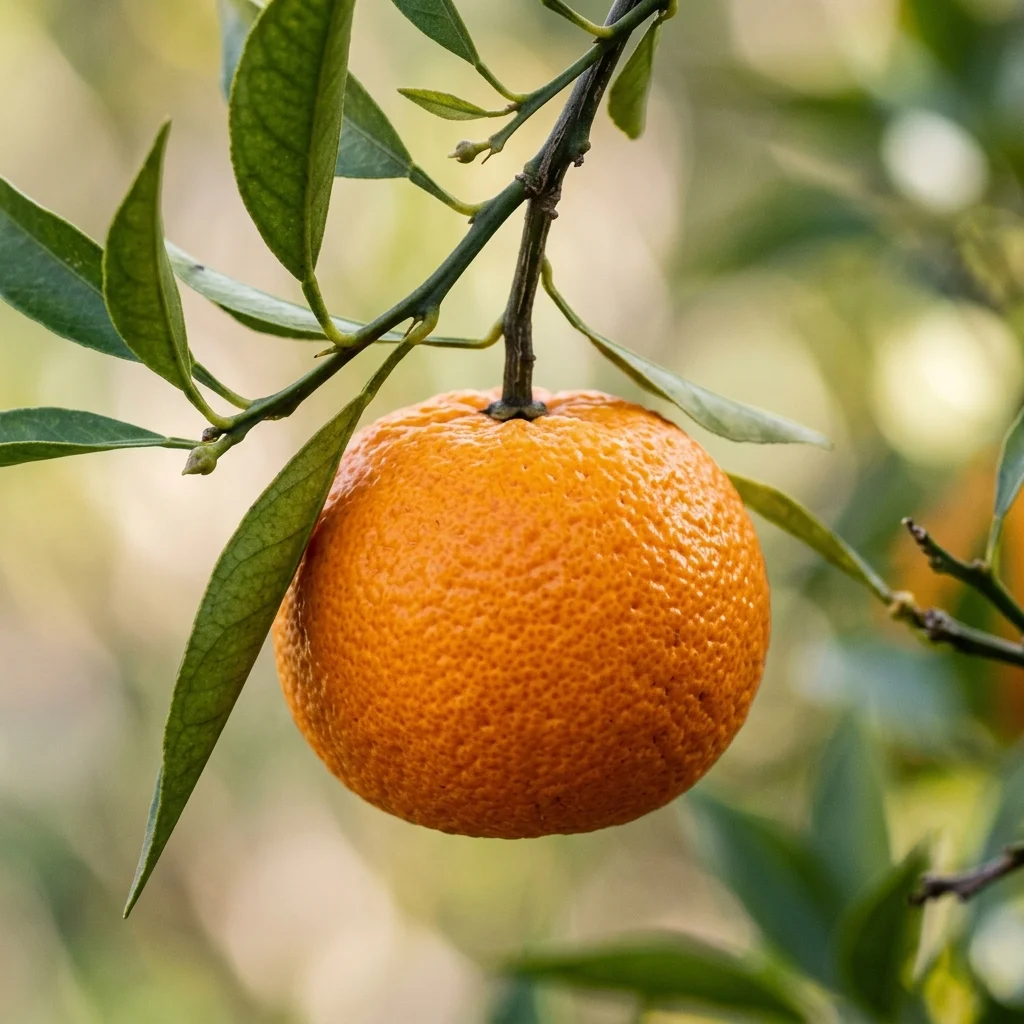
How to Identify Mandarin Orange
Mandarin Orange (Citrus reticulata) is a highly valued edible crop globally. Recognizing its definitive vegetative and fruit/vegetable structures is key to successful companion growing and harvesting.
-
✔
Key Visual Features: Small evergreen trees with slender, delicate branches and rounded green canopies.
-
✔
Leaf & Stems: Narrow lanceolate dark green leaves; tiny fragrant white flowers in spring.
-
✔
Fruit/Edible Part: Flattened globose oblate fruits with loose orange skin, sweet juicy easily-separated segments.
Complete Growing & Harvesting Guide
Follow our detailed scientific agricultural cultivation guide to keep your Mandarin Orange thriving and high-yielding.
Common Diseases & Treatment
Citrus Scab (Fungal)
Symptoms: Leaves develop raised, warty, pinkish-brown pustules, causing leaf distortion and scabby fruit skins.
Phytophthora Gummosis
Symptoms: Bark at base cracks, oozes dark amber gum, and sapwood underneath turns dark brown and dies.
Frequently Asked Questions
Why are my mandarins dry and pulpy inside?
This is drying (granulation), typically triggered by harvesting fruits too late or severe water stress during fruit sizing.
Do mandarin orange trees need cross-pollination?
Most mandarin cultivars (like Satsuma) are self-fertile and seedless if isolated from other citrus varieties.
Can I grow mandarin oranges in a container?
Yes! Dwarf mandarins thrive in 10-15 gallon containers. Use loose potting soil and keep them in full sun.
Are mandarin leaves toxic to dogs?
Yes. Mandarin leaves and peels contain toxic essential oils and psoralens, which cause vomiting and depression in pets.