Litchi chinensis

Lychee Growing & Harvesting Guide

Lychee (Litchi chinensis), the sweet ruby treasure of ancient subtropical gardens, is a highly prized exotic fruit tree. Prized for its juicy translucent arils and textured pinkish-red rind, this magnificent evergreen demands winter cold-spell dormancy and summer high-humidity watering.


Sunlight Icon
Sunlight Full Sun (6+ hours)
Watering Icon
Watering High / Regular
Soil Mix Icon
Soil pH Acidic, Organic-Rich, Well-Drained Loam (pH 5.0-6.0)
Temperature Icon
Target Temp 15°C - 35°C
Toxicity Warning Icon
Toxicity Toxic to Pets (MCPG seed content)
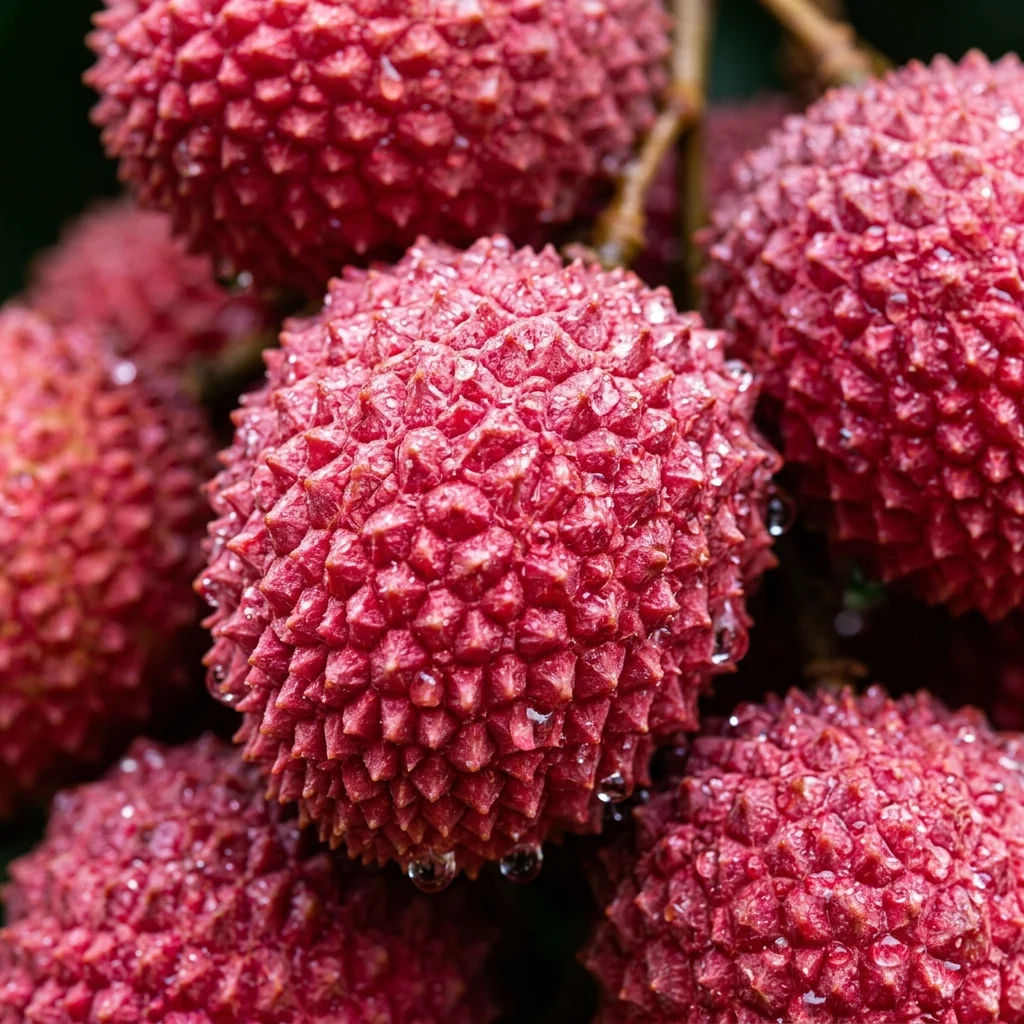
Botanical macro photography of Lychee (Litchi chinensis) - Plant AI care database

How to Identify Lychee

Lychee (Litchi chinensis) is a highly valued edible crop globally. Recognizing its definitive vegetative and fruit/vegetable structures is key to successful companion growing and harvesting.

  • Key Visual Features: Large, handsome evergreen tree growing 30 to 40 feet with a dense rounded canopy.
  • Leaf & Stems: Glossy, dark green lanceolate leaflets; dense branched clusters of small greenish-white flowers.
  • Fruit/Edible Part: Round fruit covered in a thin, brittle, highly textured bumpy pinkish-red skin.
💡 Plant AI Tip: Snap a photo with Plant AI to identify garden veggies and diagnose leaf spot diseases in 1 second.

Complete Growing & Harvesting Guide

Follow our detailed scientific agricultural cultivation guide to keep your Lychee thriving and high-yielding.

Requires regular high moisture. Water deeply once or twice a week, providing 1.5 inches of water. Reduce water slightly in winter.
Prune tree canopy annually after harvest. Remove vertical water sprouts to encourage spreading fruit-bearing branches.
Apply balanced organic fertilizer for acid-loving fruit trees twice a year (early spring and after harvest).
Demands absolute full sun (6 to 8 hours daily). Vital to trigger flower bud initiation and brilliant red ripening.
Requires deeply organic, moisture-retaining loam with a highly acidic pH (pH 5.0-6.0). Intolerant of alkaline soils.
Plant air-layered (marcot) cultivars (like Brewster or Mauritius). Seedling trees take 10+ years to fruit and are unreliable.
Subtropical tree. Requires a brief winter cold spell (100 hours below 10°C without freezing) to trigger spring flower buds.
Space trees 20 to 25 feet apart. Plant in humid, warm summer zones protected from strong dry winter winds.
Prone to lychee erinose mites and fruit borers. Apply proactive organic sulfur sprays early in the season.
Susceptible to Anthracnose and Lichen. Ensure the canopy is pruned to allow good wind circulation.
Harvest when fruits turn a uniform brilliant pinkish-red, swell fully, and have sweet translucent flesh. Cut whole clusters.

Is your Lychee leaves turning yellow, spotted or dying?

Protect your kitchen garden. Take a photo with Plant AI to diagnose pests and crop diseases instantly.

Diagnose My Crop

Common Diseases & Treatment

Lychee Anthracnose (Colletotrichum)

Symptoms: Maturing fruits and leaves develop dark brown, sunken water-soaked spots, causing early fruit rot and leaf shriveling.

Action: Prune canopy for airflow, collect and destroy fallen rotting fruits, and apply copper fungicide proactively.

Algal Leaf Spot (Cephaleuros)

Symptoms: Leaf upper surfaces develop small, raised orange-rust colored velvety spots, weakening the tree's photosynthesis.

Action: Prune lower crowded branches, improve soil nutrition, and spray preventative copper fungicide in damp weather.

Frequently Asked Questions

Why is my lychee tree growing huge but not flowering?

Lychees are highly temperature-sensitive. They require a brief winter chilling period (about 100 hours below 10°C without frost) to initiate spring flower buds.

Why are my lychee fruits splitting open on the tree?

Fruit splitting is caused by erratic watering during dry summer heat, leading to rapid pulp swelling before the brittle red rind can stretch. Keep soil evenly moist.

Can I grow lychee trees from seeds?

Seedling trees take 10-12 years to fruit and rarely produce sweet, large fruits. Plant air-layered (grafted) trees which fruit in 3-4 years.

Are lychees safe for cats and dogs to eat?

The translucent sweet fruit pulp is non-toxic in small amounts. However, lychee seeds contain toxic MCPG which causes severe, life-threatening low blood sugar in pets.

Harvest bountiful greens. Grow healthy edibles today!

Get Started for Free