Brassica oleracea var. sabellica

Kale Growing & Harvesting Guide

Kale (Brassica oleracea var. sabellica) is the undisputed superfood champion of the home vegetable patch. Celebrated for its highly textured, crinkled blue-green leaves and exceptional cold hardiness, this robust biennial crop provides continuous nutritious harvests throughout the winter.


Sunlight Icon
Sunlight Full Sun / Partial Shade
Watering Icon
Watering Consistent / Deep
Soil Mix Icon
Soil pH Rich, Moisture-Retentive (pH 6.0-7.0)
Temperature Icon
Target Temp 4°C - 24°C
Toxicity Warning Icon
Toxicity Pet Friendly (Non-toxic)
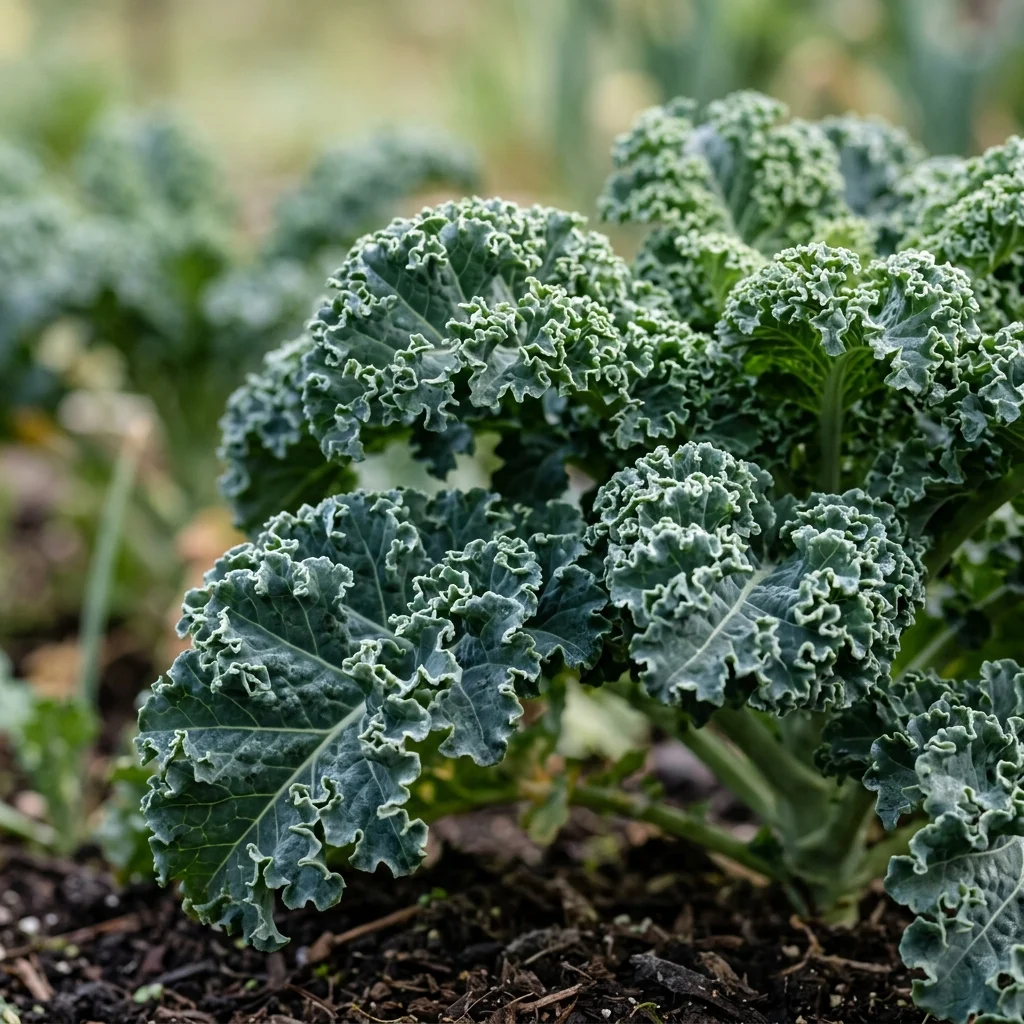
Botanical macro photography of Kale (Brassica oleracea var. sabellica) - Plant AI care database

How to Identify Kale

Kale (Brassica oleracea var. sabellica) is a highly valued edible crop globally. Recognizing its definitive vegetative and fruit/vegetable structures is key to successful companion growing and harvesting.

  • Key Visual Features: Upright, multi-leaved herbaceous plants forming a dense rosette without a central head.
  • Leaf & Stems: Thick, deeply curled, ruffled blue-green leaves covered in a natural waxy powdery bloom.
  • Fruit/Edible Part: Succulent, highly textured crinkled leaves that grow continuously from the central crown.
💡 Plant AI Tip: Snap a photo with Plant AI to identify garden veggies and diagnose leaf spot diseases in 1 second.

Complete Growing & Harvesting Guide

Follow our detailed scientific agricultural cultivation guide to keep your Kale thriving and high-yielding.

Water regularly once a week, receiving 1 to 1.5 inches of water. Keep soil consistently moist but never waterlogged.
Prune lower mature leaves to harvest. Cut leaves at the base, leaving the central bud and top leaves intact to grow.
Feed every 4-6 weeks with balanced organic fertilizer high in nitrogen to support continuous leaf production.
Thrives in full sun but tolerates partial shade. In hot climates, afternoon shade prevents leaf wilting and bitterness.
Prefers fertile, fast-draining sandy loam rich in organic compost (pH 6.0-7.0) with high moisture-retention capacity.
Sow seeds indoors 6 weeks before last frost. Transplant outdoors 4 weeks later. Can also be sown directly in early fall.
Extremely hardy. Ideal temperature range is 4°C-24°C. Highly frost-tolerant; freezing temperatures sweeten leaf flavor.
Space plants 12-18 inches apart. Ample spacing is vital for broad leaf expansion and keeping plants well-ventilated.
Prone to cabbage loopers, aphids, and flea beetles. Use physical row covers and apply organic neem oil spray.
Susceptible to Clubroot and Black Rot. Practice 4-year crop rotation and ensure excellent soil hygiene.
Harvest lower leaves from the outside in using a 'cut-and-come-again' method. Leave the top center growing tip to produce new leaves.

Is your Kale leaves turning yellow, spotted or dying?

Protect your kitchen garden. Take a photo with Plant AI to diagnose pests and crop diseases instantly.

Diagnose My Crop

Common Diseases & Treatment

Black Rot (Bacterial)

Symptoms: Leaves show distinct yellow V-shaped lesions on edges, with leaf veins turning black, leading to rapid stem decay.

Action: Purchase certified pathogen-free seeds, avoid overhead watering, and spray organic copper proactively in wet seasons.

Downy Mildew (Fungal)

Symptoms: Upper leaf surfaces show yellow spots, with gray-purple fuzzy mold on underside in highly humid weather.

Action: Ensure wide spacing for excellent wind movement, avoid overwatering, and spray organic copper proactively.

Frequently Asked Questions

Why is my kale turning yellow?

Nitrogen deficiency, overwatering, or fungal infections are common causes. Ensure excellent drainage and feed with organic nitrogen.

Does kale survive the winter freezing cold?

Yes! Kale is extremely cold-hardy and easily survives winter down to -10°C, producing sweet leaves all winter long.

How do I harvest kale so it keeps growing?

Harvest only the outer mature leaves by cutting them near the stem. Leave the center growing bud intact to continuously grow new foliage.

Are curly kale leaves safe for pet cats?

Yes. Kale is completely non-toxic and pet-safe in small quantities. Steam lightly before feeding to avoid stomach gas.

Harvest bountiful greens. Grow healthy edibles today!

Get Started for Free