Cucumis melo var. inodorus

Honeydew Melon Growing & Harvesting Guide

Honeydew Melon (Cucumis melo var. inodorus) is the cool, sweet treasure of the summer vegetable garden. Famous for its highly smooth, pale green skin and exceptionally sweet, juicy jade-green flesh, this vigorous climber produces abundant crops under hot sun.


Sunlight Icon
Sunlight Full Sun (6-8 hours)
Watering Icon
Watering Consistent / Deep
Soil Mix Icon
Soil pH Rich, Well-Drained (pH 6.0-6.8)
Temperature Icon
Target Temp 20°C - 35°C
Toxicity Warning Icon
Toxicity Pet Friendly (Non-toxic)
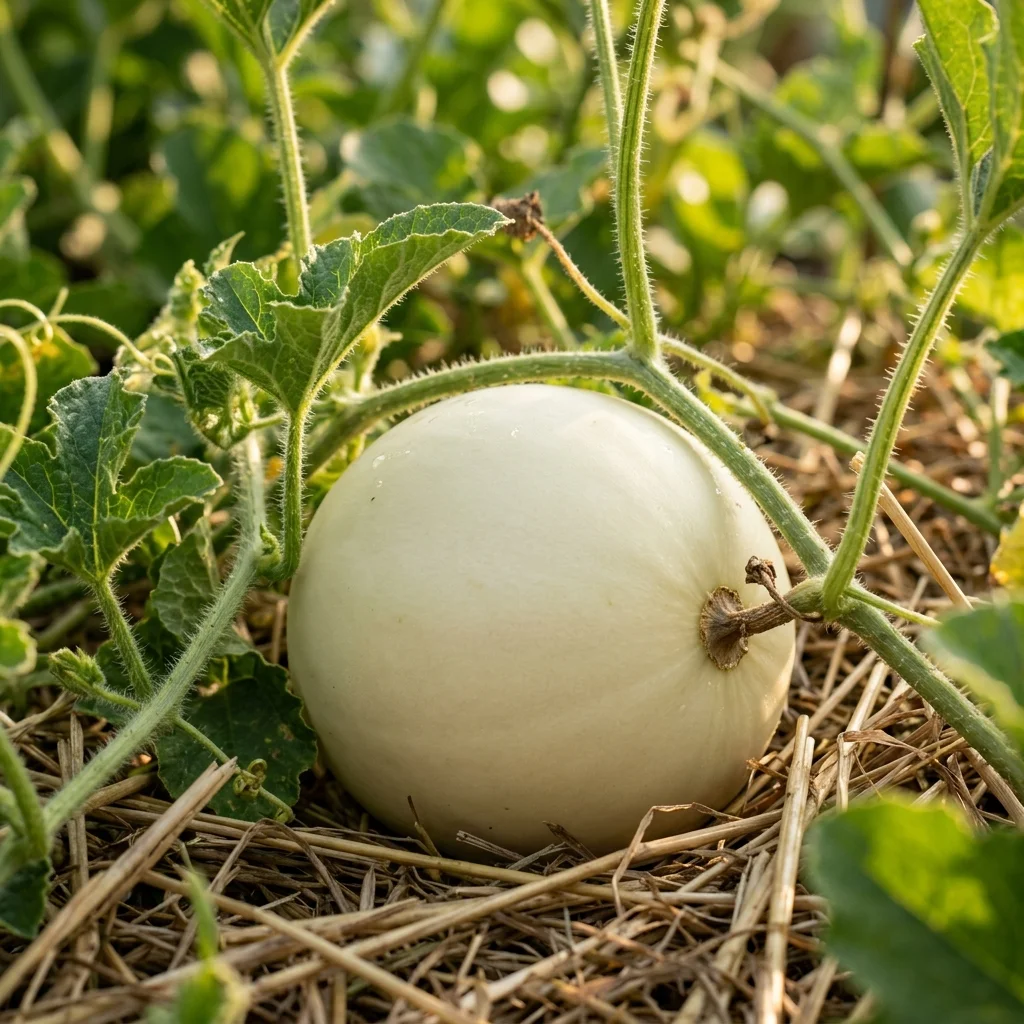
Botanical macro photography of Honeydew Melon (Cucumis melo var. inodorus) - Plant AI care database

How to Identify Honeydew Melon

Honeydew Melon (Cucumis melo var. inodorus) is a highly valued edible crop globally. Recognizing its definitive vegetative and fruit/vegetable structures is key to successful companion growing and harvesting.

  • Key Visual Features: Vigorous, trailing or climbing annual vines with rough hairy stems and strong tendrils.
  • Leaf & Stems: Large, alternate, rounded or lobed green leaves; bright yellow trumpet-shaped flowers.
  • Fruit/Edible Part: Round or oval melons with exceptionally smooth, waxy pale green-yellow skin and sweet jade-green pulp.
💡 Plant AI Tip: Snap a photo with Plant AI to identify garden veggies and diagnose leaf spot diseases in 1 second.

Complete Growing & Harvesting Guide

Follow our detailed scientific agricultural cultivation guide to keep your Honeydew Melon thriving and high-yielding.

Water deeply once a week, receiving 1 to 1.5 inches of water. Avoid overhead watering to keep foliage dry and disease-free.
Prune trailing vines in early summer. Pinch off the terminal growth tip after 5-6 leaves to stimulate productive lateral shoots.
Feed every 4-6 weeks with balanced organic vegetable fertilizer rich in phosphorus and potassium to support flowering and fruiting.
Requires full sun, demanding 6 to 8 hours of direct light daily. Vital for high sugar accumulation in developing melons.
Prefers fertile, fast-draining sandy loam rich in organic compost (pH 6.0-6.8). Highly sensitive to waterlogged soils.
Plant seeds or seedlings in spring once soil temperatures reach 20°C. Protect young seedlings from late spring frost.
Thrives in hot, dry summers. Growth stops below 15°C, and vines are highly sensitive to frost. Protect with row covers.
Space vines 3-4 feet apart. Excellent for training vertically on a strong trellis to save space and improve fruit quality.
Prone to cucumber beetles, aphids, and spider mites. Apply organic neem oil and hand-pick pests off foliage.
Susceptible to Powdery Mildew and Downy Mildew. Avoid overhead watering and prune for maximum airflow.
Harvest when fruits turn pale cream-yellow, develop a waxy sheen, and the blossom end yields slightly to gentle thumb pressure.

Is your Honeydew Melon leaves turning yellow, spotted or dying?

Protect your kitchen garden. Take a photo with Plant AI to diagnose pests and crop diseases instantly.

Diagnose My Crop

Common Diseases & Treatment

Powdery Mildew (Fungal)

Symptoms: White, powdery fungal spots appear on leaf surfaces and stems, expanding rapidly and causing leaves to wither prematurely.

Action: Prune for maximum airflow, avoid overhead watering, and spray organic neem oil proactively at first sign of disease.

Downy Mildew (Fungal)

Symptoms: Angular yellow spots appear on upper leaf surfaces, with gray-purple fuzzy mold on underside in highly humid weather.

Action: Ensure excellent soil drainage, avoid overwatering, and treat base proactively with organic copper bactericide.

Frequently Asked Questions

Why are my honeydew melons splitting open?

Sudden heavy rainfall or excessive watering after a dry spell causes the fruit pulp to expand rapidly, splitting the smooth skin.

How do I know when my honeydew melon is ripe?

Unlike cantaloupes, honeydews do not slip from the vine. They are ripe when the skin turns pale cream, feels waxy, and smells sweet.

Can I grow honeydew melons vertically on a trellis?

Yes! Secure climbing vines to a strong trellis, and support heavy developing melons using soft mesh slings or net hammocks.

Are honeydew melon seeds toxic to cats?

No. Honeydew melon seeds and flesh are completely non-toxic and pet-safe in small quantities according to ASPCA guidelines.

Harvest bountiful greens. Grow healthy edibles today!

Get Started for Free