Grapefruit Growing & Harvesting Guide
Grapefruit (Citrus x paradisi) is the bold, refreshing giant of the subtropical orchard. Celebrated for its massive, bitter-sweet juicy fruits, this stunning evergreen tree is highly productive, bringing robust health benefits to home gardens.





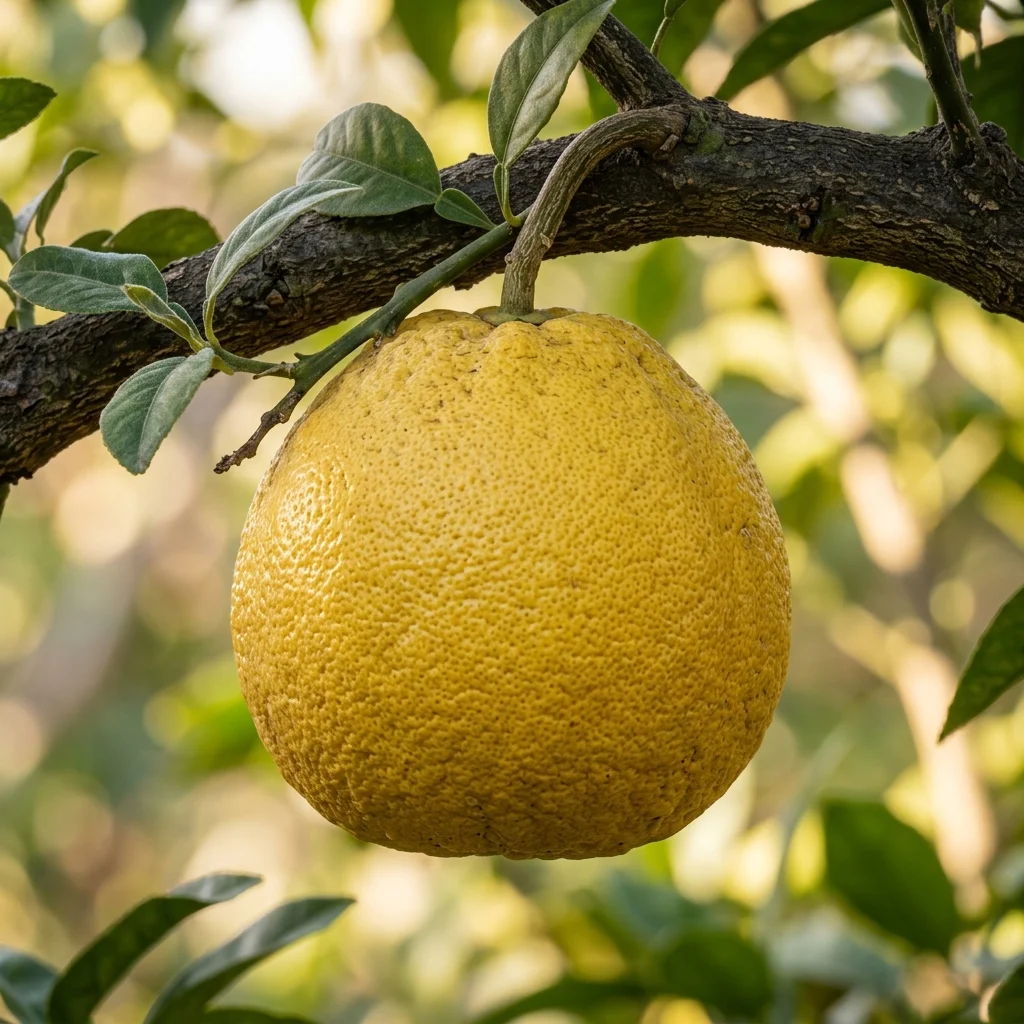
How to Identify Grapefruit
Grapefruit (Citrus x paradisi) is a highly valued edible crop globally. Recognizing its definitive vegetative and fruit/vegetable structures is key to successful companion growing and harvesting.
-
✔
Key Visual Features: Large evergreen citrus trees with dense rounded canopy crowns.
-
✔
Leaf & Stems: Large dark green ovate leaves with broadly winged petioles; large white flowers.
-
✔
Fruit/Edible Part: Large globose oblate fruits with thick yellow-pink dimpled leathery rind, yellow-ruby juicy bitter pulp.
Complete Growing & Harvesting Guide
Follow our detailed scientific agricultural cultivation guide to keep your Grapefruit thriving and high-yielding.
Common Diseases & Treatment
Citrus Scab (Fungal)
Symptoms: Leaves develop raised, warty, pinkish-brown pustules, causing leaf distortion and scabby fruit skins.
Algal Spot (Cephaleuros)
Symptoms: Upper leaf surfaces develop gray, green, or rusty-orange velvet-like circular spots, reducing leaf energy.
Frequently Asked Questions
Why is my grapefruit pulp sour and not sweet?
Grapefruits need massive heat to accumulate sugars. Fruits left on the tree through winter develop sweeter, milder flavors.
How long does it take grapefruits to ripen on the tree?
Grapefruits take exceptionally long to ripen—typically 12-18 months from bloom to harvest, depending on local climate heat.
Do grapefruit trees have thorns?
Yes, young grapefruits branches have short, supple thorns. They become less prominent as the tree matures.
Is grapefruit dangerous to cats and dogs?
Yes. Grapefruit leaves, wood, and peels contain toxic essential oils and psoralens, which cause vomiting and depression in pets.