Vitis vinifera

Grape Growing & Harvesting Guide

Grape (Vitis vinifera), the woody climbing soul of the vineyard, is the ultimate perennial fruit vine. highly valued for its large, hand-shaped foliage and heavy hanging clusters of sweet, juicy berries, this long-lived vine is a garden masterpiece.


Sunlight Icon
Sunlight Full Sun (7-8 hours)
Watering Icon
Watering Deep / Infrequent
Soil Mix Icon
Soil pH Well-drained, Rocky (pH 6.0-6.5)
Temperature Icon
Target Temp 15°C - 32°C
Toxicity Warning Icon
Toxicity Highly Toxic to Dogs
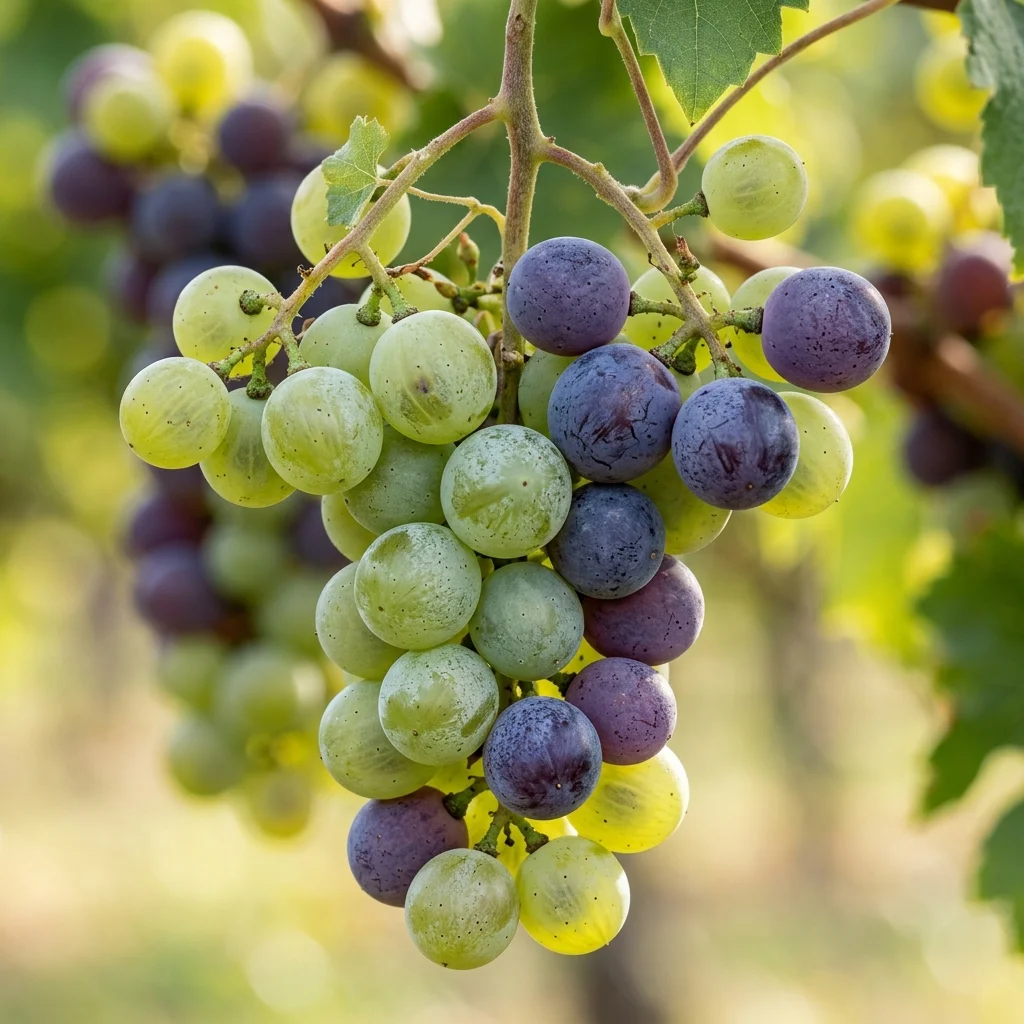
Botanical macro photography of Grape (Vitis vinifera) - Plant AI care database

How to Identify Grape

Grape (Vitis vinifera) is a highly valued edible crop globally. Recognizing its definitive vegetative and fruit/vegetable structures is key to successful companion growing and harvesting.

  • Key Visual Features: Woody, long-lived perennial vines climbing aggressively via wrapping green tendrils.
  • Leaf & Stems: Large, palmately lobed green leaves with coarsely toothed margins; small green panicles of flowers.
  • Fruit/Edible Part: Hanging clusters of globose or oval sweet berries (green, red, or dark purple) covered in natural bloom.
💡 Plant AI Tip: Snap a photo with Plant AI to identify garden veggies and diagnose leaf spot diseases in 1 second.

Complete Growing & Harvesting Guide

Follow our detailed scientific agricultural cultivation guide to keep your Grape thriving and high-yielding.

Water deeply but infrequently. Mature grapevines have deep root systems and prefer drier soil; avoid soggy roots.
Prune heavily in late winter while dormant. Remove up to 90% of the previous year's growth to maximize fruit yield.
Avoid high-nitrogen fertilizer. Grapes produce best in low-fertility soils; feed lightly with organic compost in spring.
Requires absolute full sun for at least 7-8 hours daily. Sun exposure is critical for grape sugar accumulation.
Prefers loose, deep, gravelly or rocky soils with outstanding drainage. Tolerates low-fertility soils effortlessly.
Plant bare-root vines in early spring. Construct a strong, permanent trellis system (arbor or post-and-wire) early.
Thrives in warm, dry climates (15°C-32°C). High humidity can trigger severe fungal leaf and fruit diseases.
Space grapevines 8 feet apart along support wires to allow massive mature vine expansion and aeration.
Prone to grape leafhoppers, Japanese beetles, and birds. Cover ripening clusters with organic organza bags.
Highly susceptible to Black Rot (fungal) and Powdery Mildew. Maintain strict winter pruning to clear old canopy.
Harvest by cutting whole clusters when grapes taste sweet and seeds turn brown. Grapes do not ripen further once picked.

Is your Grape leaves turning yellow, spotted or dying?

Protect your kitchen garden. Take a photo with Plant AI to diagnose pests and crop diseases instantly.

Diagnose My Crop

Common Diseases & Treatment

Black Rot (Fungal)

Symptoms: Fruits turn light brown, shrivel rapidly into hard black wrinkled mummies, and leaf spots appear with black dots.

Action: Clean and destroy all fallen leaf debris and mummies in winter, and spray with copper fungicide early in spring.

Downy Mildew

Symptoms: Yellowish, oily spots appear on top of leaves, with a white fuzzy fungal growth forming underneath in humid weather.

Action: Ensure excellent vine pruning for maximum airflow, avoid overhead watering, and spray copper fungicide.

Frequently Asked Questions

How heavily should I prune my grapevine?

Heavily! Pruning removes up to 90% of last year's wood. Grapes only bear fruit on shoots grown from the previous year's canes.

Why are my grapes small and sour?

Usually caused by high crop load (over-fruiting) or low sunlight. Thin out some grape clusters in early summer to boost size.

How long do grapevines live and produce?

Grapevines are exceptionally long-lived and can continue to produce abundant sweet fruit crops for 50 to 100+ years if cared for.

Are grapes toxic to dogs?

Yes! Grapes and raisins are highly toxic to dogs, causing acute and irreversible kidney failure even in small quantities.

Harvest bountiful greens. Grow healthy edibles today!

Get Started for Free