Fig Growing & Harvesting Guide
Fig (Ficus carica) is the ancient, sweet-bearing standard of the Mediterranean garden. Famed for its highly unique lobed leaves and incredibly sweet, honey-flavored hollow syconium fruits, this beautiful deciduous wood tree is highly resilient.





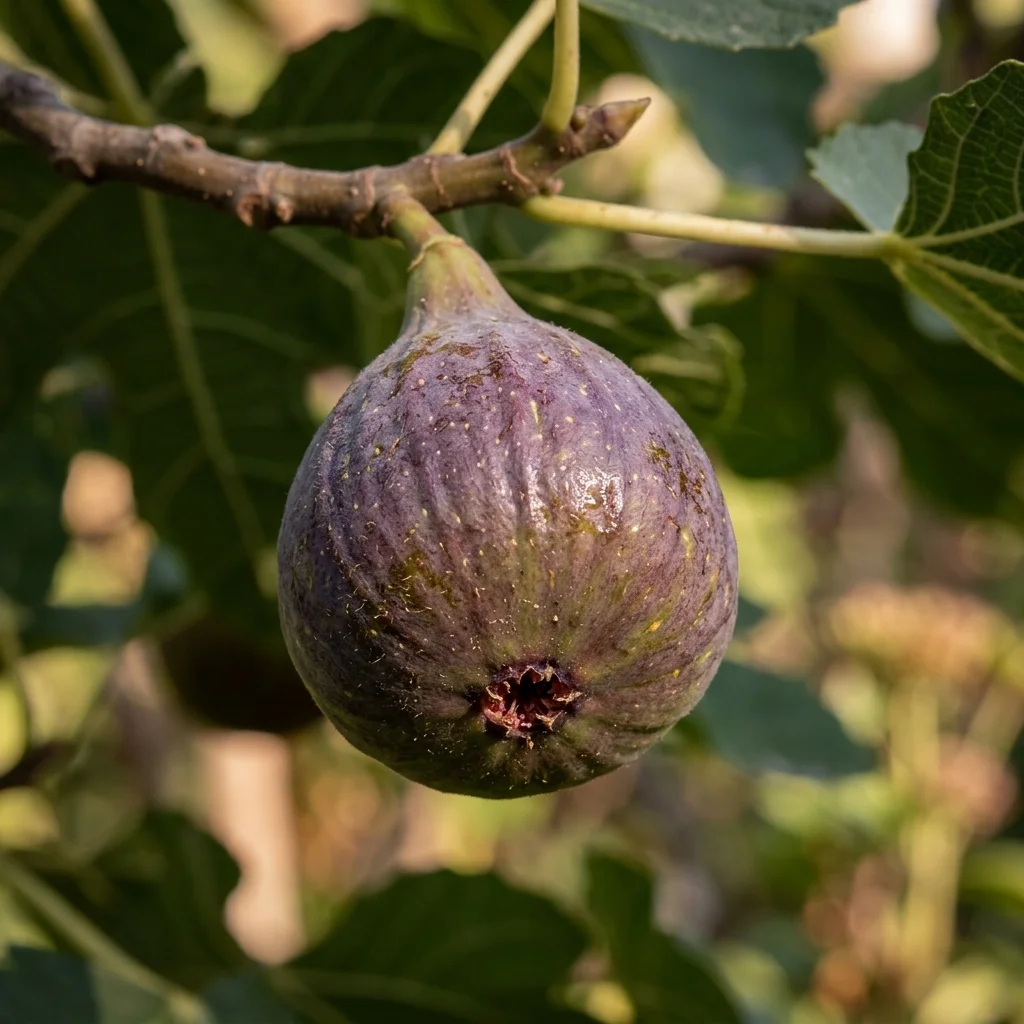
How to Identify Fig
Fig (Ficus carica) is a highly valued edible crop globally. Recognizing its definitive vegetative and fruit/vegetable structures is key to successful companion growing and harvesting.
-
✔
Key Visual Features: Deciduous small spreading trees with smooth, silvery-gray bark and milky white sap.
-
✔
Leaf & Stems: Very large, deeply lobed (3-5 lobes) rough, dark green leaves with fuzzy undersides.
-
✔
Fruit/Edible Part: Pear-shaped hollow green-purple syconium fruits (edible inverted flowers) with sweet pulpy interiors.
Complete Growing & Harvesting Guide
Follow our detailed scientific agricultural cultivation guide to keep your Fig thriving and high-yielding.
Common Diseases & Treatment
Fig Rust (Fungal)
Symptoms: Leaves develop small, yellow-brown rusty spots beneath, causing leaf yellowing and premature leaf drops.
Mosaic Virus (Viral)
Symptoms: Leaves display distinct yellow-green mosaic patterns, crinkling, and stunted fruit growth.
Frequently Asked Questions
Why are my green figs dropping off without ripening?
Immature fig drop is caused by severe moisture fluctuations (sudden drought) or young age. Mature trees naturally thin their crops.
Do fig trees have flowers?
Yes! The fig fruit itself is a syconium, a hollow closed receptacle containing hundreds of tiny inside flowers. They are pollinated inside.
Can I grow a fig tree in a pot?
Yes! Figs thrive in deep pots. In fact, root restriction in pots stimulates heavier fruit crops and limits excessive woody tree size.
Are fig leaves toxic to dogs and cats?
Yes. Fig leaves and stems contain a milky white sap (ficusin) which causes skin rashes, drooling, and vomiting in pets.