Apium graveolens

Celery Growing & Harvesting Guide

Celery (Apium graveolens) is the crisp, hydrating classic of the home vegetable garden. Highly prized for its crunchy ribbed stalks and culinary versatility, this moisture-loving biennial requires a long growing season, highly organic soil, and paper-shield blanching to develop sweet, tender stems.


Sunlight Icon
Sunlight Full Sun / Partial Shade
Watering Icon
Watering High / Continuous
Soil Mix Icon
Soil pH Organic, Rich, Moisture-Holding (pH 6.0-6.8)
Temperature Icon
Target Temp 15°C - 24°C
Toxicity Warning Icon
Toxicity Pet Friendly (Non-toxic)
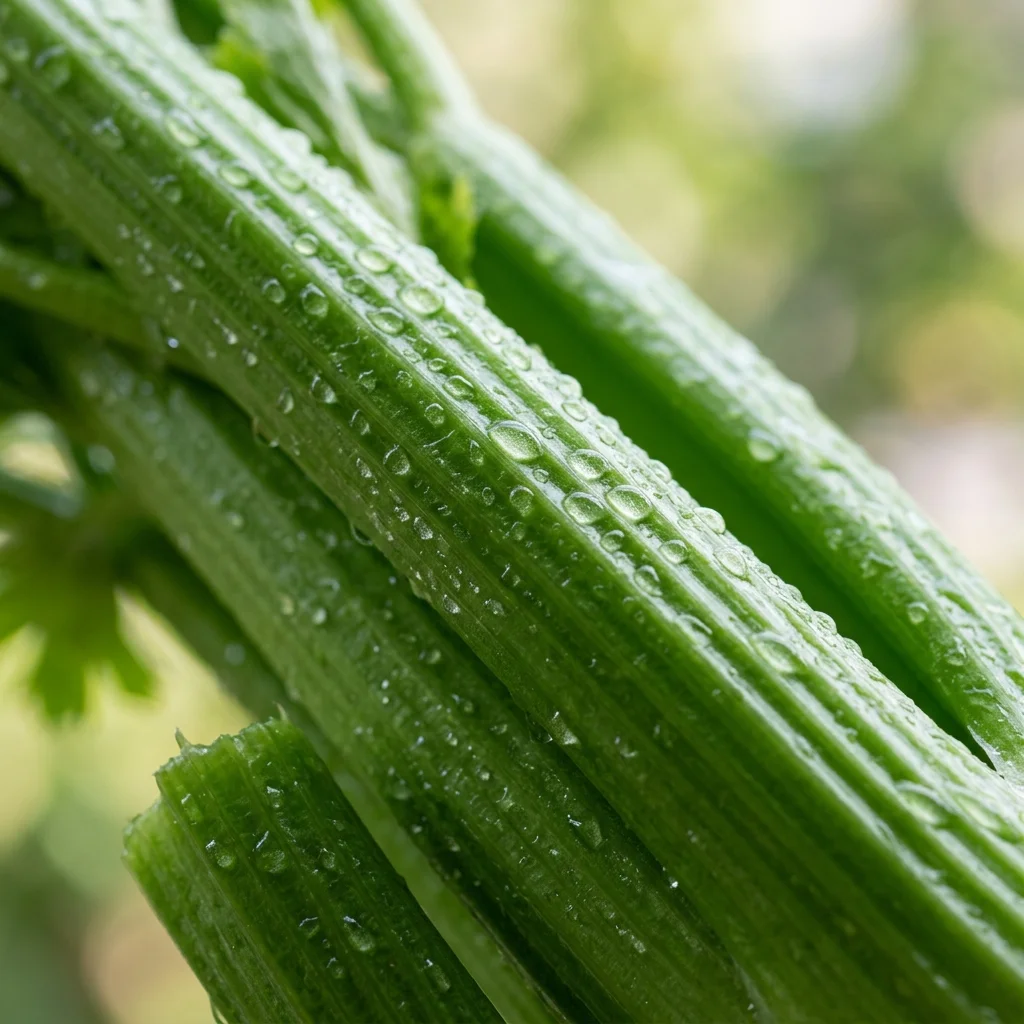
Botanical macro photography of Celery (Apium graveolens) - Plant AI care database

How to Identify Celery

Celery (Apium graveolens) is a highly valued edible crop globally. Recognizing its definitive vegetative and fruit/vegetable structures is key to successful companion growing and harvesting.

  • Key Visual Features: Erect, compact rosette of thick, fleshy, deeply grooved leaf stalks.
  • Leaf & Stems: Stalks are ribbed and succulent; leaves are compound, dissected, and aromatic.
  • Fruit/Edible Part: A tight cluster of pale green, crisp, upright stalks with a fibrous, hydrating texture.
💡 Plant AI Tip: Snap a photo with Plant AI to identify garden veggies and diagnose leaf spot diseases in 1 second.

Complete Growing & Harvesting Guide

Follow our detailed scientific agricultural cultivation guide to keep your Celery thriving and high-yielding.

Requires constant high moisture. Never let soil dry out; water deeply 2 to 3 times a week, providing 2 inches of water.
Prune away yellowing outer stalks and remove early flower stalks (bolting) to redirect energy into stalk swelling.
Extremely heavy feeder. Incorporate rich compost before planting; apply liquid organic fish emulsion every 2 weeks.
Thrives in full sun (6+ hours daily), but benefits from light partial shade in warm spring weather to keep stalks tender.
Prefers deeply worked, highly organic soil amended with aged manure that holds moisture perfectly (pH 6.0-6.8).
Start seeds indoors 10 weeks before frost. Sow seeds on soil surface (requires light to germinate) and transplant carefully.
Cool-season crop. Prefers temperatures between 15°C and 24°C; extreme cold triggers bolting, and high heat turns stalks bitter.
Space transplants 8 inches apart. Build cardboard shields or wrap bases in paper to blanch the stalks 2 weeks before harvest.
Prone to celery caterpillars and aphids. Spray organic neem oil proactively under foliage.
Susceptible to Early Blight and Blackheart (caused by calcium deficiency). Apply organic calcium spray early.
Harvest the entire head by cutting at soil level, or harvest individual outer stalks when they are 8 inches tall.

Is your Celery leaves turning yellow, spotted or dying?

Protect your kitchen garden. Take a photo with Plant AI to diagnose pests and crop diseases instantly.

Diagnose My Crop

Common Diseases & Treatment

Blackheart (Calcium Deficiency)

Symptoms: The young, developing inner leaves in the center of the celery crown turn black, die back, and rot, caused by dry soils.

Action: Maintain highly consistent soil moisture, enrich soil with gypsum, and avoid excessive high-nitrogen fertilizers.

Early Blight (Cercospora)

Symptoms: Foliage developments small, yellow-brown circular spots with ash-gray centers, expanding rapidly in humid, warm weather.

Action: Ensure excellent plant spacing, avoid overhead watering, and spray copper fungicide proactively at first sign.

Frequently Asked Questions

Why is my home-grown celery tasting extremely bitter?

Bitterness is caused by heat stress, dry soil, or a failure to blanch. Celery requires high moisture and cool weather to stay sweet.

What is the purpose of blanching celery stalks?

Blanching (blocking sunlight from stems using paper, boards, or soil) prevents chlorophyll formation, making stalks sweeter, tender, and pale.

Why did my celery plant shoot up flowers prematurely?

This is 'bolting', triggered by temperature stress──specifically when young seedlings experience temperatures below 10°C for several days.

Is celery safe for cats and dogs to eat?

Yes! Celery is completely safe and non-toxic to pets. Sliced raw celery makes a crunchy, refreshing, fiber-rich treat for dogs.

Harvest bountiful greens. Grow healthy edibles today!

Get Started for Free