Cucumis melo var. cantalupensis

Cantaloupe Growing & Harvesting Guide

Cantaloupe (Cucumis melo var. cantalupensis) is the sweet, aromatic star of the summer garden. Famed for its highly textured net-like rind and succulent orange flesh, this fast-growing sprawling vine thrives in hot climates, rewarding growers with sweet summer treats.


Sunlight Icon
Sunlight Full Sun (6-8 hours)
Watering Icon
Watering Deep / Regular
Soil Mix Icon
Soil pH Rich Sandy Loam (pH 6.0-6.8)
Temperature Icon
Target Temp 21°C - 35°C
Toxicity Warning Icon
Toxicity Pet Friendly
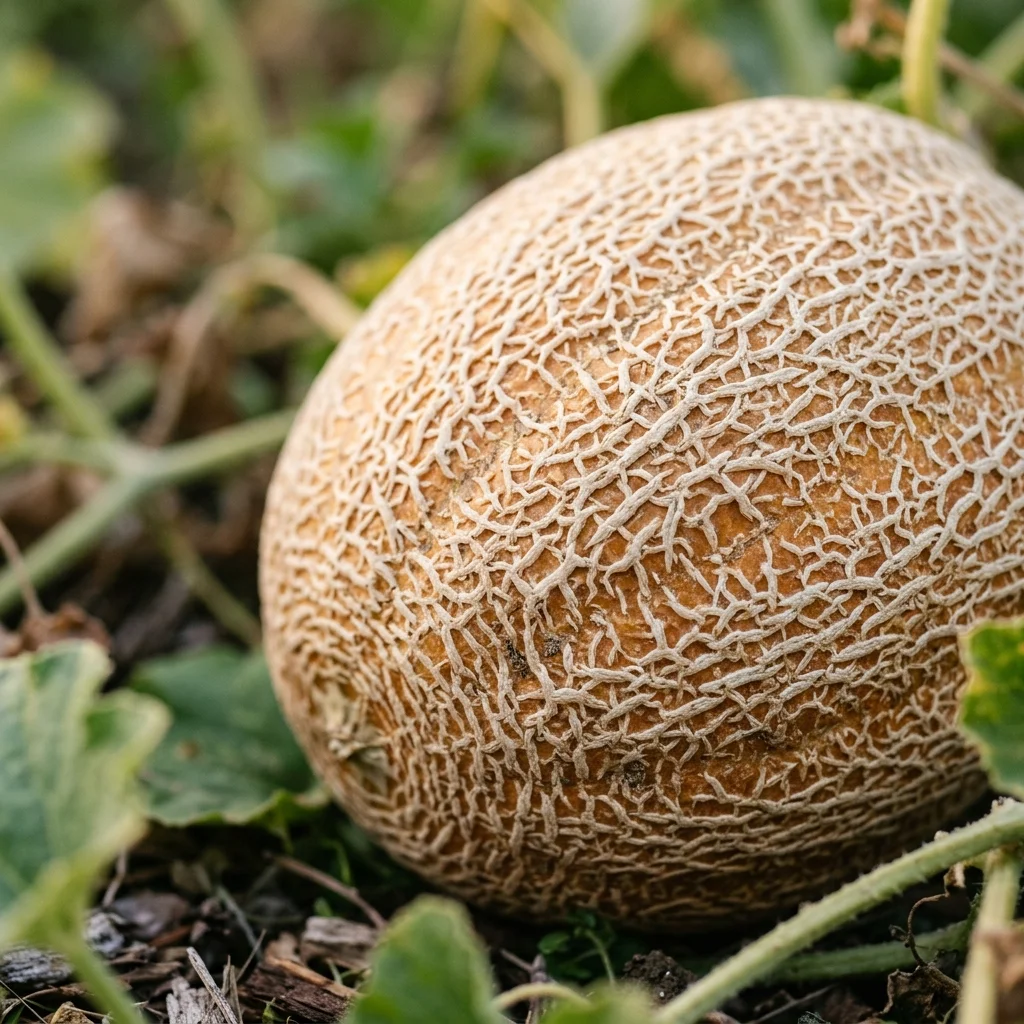
Botanical macro photography of Cantaloupe (Cucumis melo var. cantalupensis) - Plant AI care database

How to Identify Cantaloupe

Cantaloupe (Cucumis melo var. cantalupensis) is a highly valued edible crop globally. Recognizing its definitive vegetative and fruit/vegetable structures is key to successful companion growing and harvesting.

  • Key Visual Features: Trailing hairy green vines climbing or crawling with slender curling tendrils.
  • Leaf & Stems: Heart-shaped, shallowly lobed green leaves; small yellow funnel-shaped flowers.
  • Fruit/Edible Part: Round, heavily netted ribbed rinds containing sweet, aromatic orange-salmon flesh and central seeds.
💡 Plant AI Tip: Snap a photo with Plant AI to identify garden veggies and diagnose leaf spot diseases in 1 second.

Complete Growing & Harvesting Guide

Follow our detailed scientific agricultural cultivation guide to keep your Cantaloupe thriving and high-yielding.

Irrigate deeply weekly, providing 1-1.5 inches of water. Avoid overhead watering to prevent leaf rust.
Prune lateral vines to focus energy. Place maturing cantaloupes on wooden boards or melon cradles to prevent soil rot.
Feed with balanced organic liquid fertilizer when vines start crawling. Switch to low-nitrogen once flowers appear.
Requires 6-8 hours of intense direct sunlight. Essential for triggering leaf photosynthesis and fruit sugars.
Highly fertile, compost-rich sandy loam with excellent organic drainage. Ideal pH is 6.0-6.8.
Sow seeds directly outdoors 2 weeks after final spring frost. Mound soil into warm planting hills.
Thrives in hot summer air (21°C-35°C). Sensitive to late spring chills; cover sprouts if night temp drops below 12°C.
Space hills 3-4 feet apart. Cantaloupe vines sprawl rapidly; trellis them vertically in small gardens.
Prone to cucumber beetles, aphids, and squash bugs. Handpick pests or spray organic neem oil.
Susceptible to powdery mildew and downy mildew. Prune dense foliage to improve inner canopy airflow.
Harvest at 'full slip' when the stem cracks and separates cleanly from the melon with a gentle push.

Is your Cantaloupe leaves turning yellow, spotted or dying?

Protect your kitchen garden. Take a photo with Plant AI to diagnose pests and crop diseases instantly.

Diagnose My Crop

Common Diseases & Treatment

Powdery Mildew (Fungal)

Symptoms: White, talcum-powder-like spots coat leaf surfaces, causing leaves to turn yellow, shrivel, and dry up.

Action: Improve canopy spacing, avoid wetting leaves, and spray with organic copper or potassium bicarbonate.

Gummy Stem Blight

Symptoms: Stems develop dark, sunken lesions oozing amber gum. Leaves show circular brown spots, causing vine wilting.

Action: Rotate crops every 3 years, avoid overhead irrigation, and spray organic copper fungicide at first sign.

Frequently Asked Questions

What is 'full slip' in cantaloupe harvesting?

Full slip is when the stem naturally cracks and separates completely from the melon under gentle thumb pressure, indicating peak ripeness.

Why are my cantaloupes cracking open on the vine?

Sudden heavy rainfall or overwatering after dry spells causes the flesh to expand faster than the netted rind, splitting it.

Can I grow cantaloupes vertically on trellises?

Yes! Train vines onto strong trellises and cradle the heavy melons in mesh nets or old nylons tied securely to the frame.

Is cantaloupe safe for dogs to eat?

Yes! Cantaloupe flesh is packed with vitamins and completely safe for dogs in moderation. Remove all seeds and hard outer rinds.

Harvest bountiful greens. Grow healthy edibles today!

Get Started for Free