Brassica oleracea var. italica

Broccoli Growing & Harvesting Guide

Broccoli (Brassica oleracea var. italica) represents the highly nutritious, green-budded crown of the cool-season home garden. Famed for its tight terminal heads of unopened green florets, this robust brassica thrives under rich organic feeding and consistent cool moisture.


Sunlight Icon
Sunlight Full Sun (6+ hours)
Watering Icon
Watering Consistent / Moderate
Soil Mix Icon
Soil pH Rich, Well-Drained (pH 6.0-7.0)
Temperature Icon
Target Temp 10°C - 23°C
Toxicity Warning Icon
Toxicity Pet Friendly (Non-toxic)
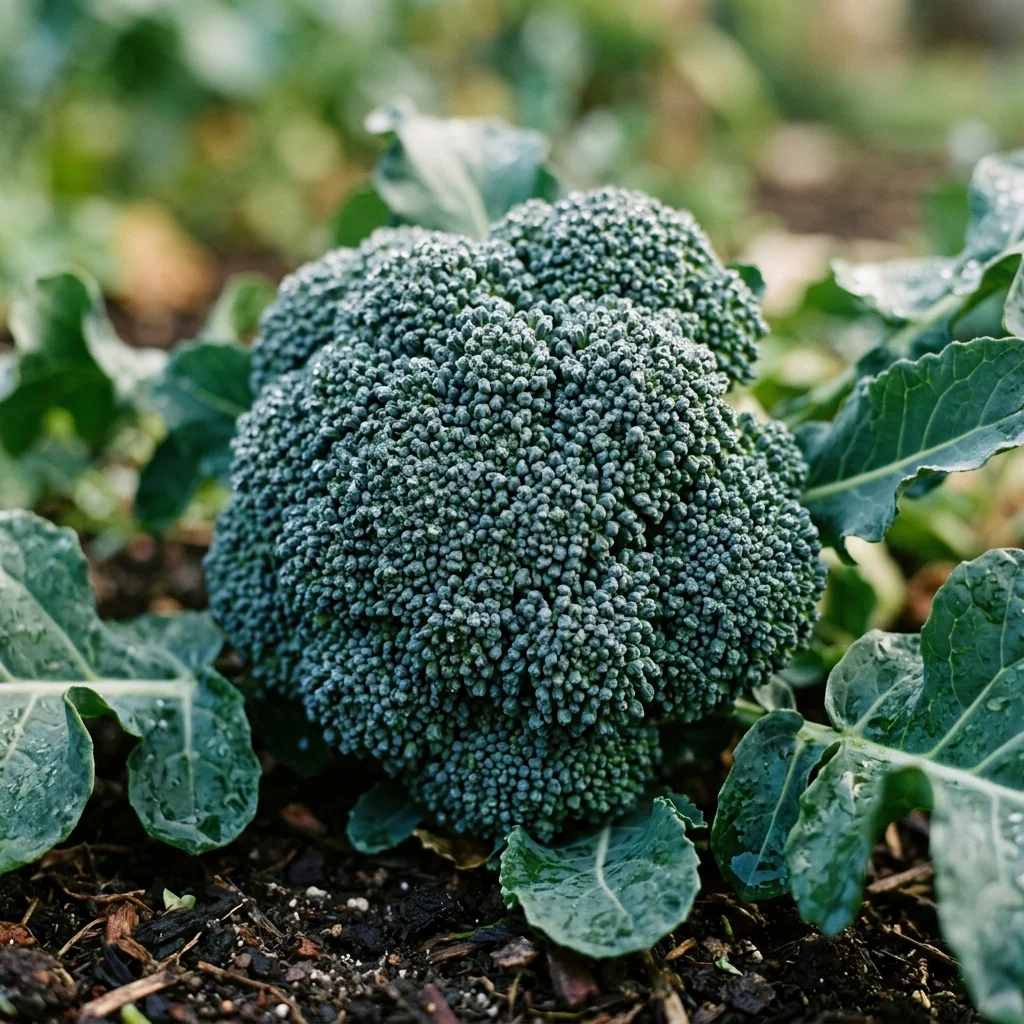
Botanical macro photography of Broccoli (Brassica oleracea var. italica) - Plant AI care database

How to Identify Broccoli

Broccoli (Brassica oleracea var. italica) is a highly valued edible crop globally. Recognizing its definitive vegetative and fruit/vegetable structures is key to successful companion growing and harvesting.

  • Key Visual Features: Erect, multi-branched herbaceous plants with large, thick, blue-green lobed leaves.
  • Leaf & Stems: Sturdy central stalk topped by a dense, dome-like flower cluster of tiny green buds.
  • Fruit/Edible Part: Unopened floral heads composed of hundreds of green florets; tender secondary side shoot florets.
💡 Plant AI Tip: Snap a photo with Plant AI to identify garden veggies and diagnose leaf spot diseases in 1 second.

Complete Growing & Harvesting Guide

Follow our detailed scientific agricultural cultivation guide to keep your Broccoli thriving and high-yielding.

Requires consistent irrigation, receiving 1 to 1.5 inches of water per week. The shallow root system is highly sensitive to dry soil, causing early bolting.
Prune away yellowing lower leaves to improve airflow and direct nutrients to the primary head. Do not prune top central growing tips early.
Heavy nitrogen feeder. Apply organic blood meal or balanced compost at planting and once again 3 weeks after transplanting.
Thrives in bright full sun. Requires 6+ hours of direct light. Benefits from afternoon shade in warm zones to prevent heat stress.
Deep, fertile sandy loam with fast drainage and high organic humus. Prefers a neutral soil pH (6.0-7.0) to ward off clubroot.
Sow seeds indoors 6 weeks before last frost. Transplant outdoors once soil is workable. Bury seedlings slightly deeper to promote stability.
Thrives in cool climates. Ideal temperature range is 10°C-23°C. Can tolerate light frost, which sweetens floret flavor.
Space plants 18-24 inches apart in rows spaced 3 feet apart. Crowded plants produce smaller heads and are highly prone to pests.
Watch for cabbage worms, aphids, and flea beetles. Apply organic BT (Bacillus thuringiensis) and use physical mesh row covers.
Susceptible to Clubroot and Downy Mildew. Maintain pH above 6.5, practice 4-year crop rotation, and avoid overhead watering.
Harvest when the central head is deep green, compact, and 4-6 inches wide, before buds begin to yellow and open into yellow flowers.

Is your Broccoli leaves turning yellow, spotted or dying?

Protect your kitchen garden. Take a photo with Plant AI to diagnose pests and crop diseases instantly.

Diagnose My Crop

Common Diseases & Treatment

Clubroot (Plasmodiophora)

Symptoms: Foliage wilts during hot days, leaves turn yellow, and roots develop massive, distorted, club-like galls that choke nutrient flow.

Action: Raise soil pH above 7.0 using agricultural lime, practice strict 4-year brassica crop rotation, and discard infected roots.

Downy Mildew (Hyaloperonospora)

Symptoms: Upper leaf surfaces show angular yellow-brown spots, with gray-purple fuzzy fungal growth on the damp undersides of lower leaves.

Action: Ensure wide spacing for excellent wind movement, avoid overhead sprinklers, and spray organic copper proactively in humid seasons.

Frequently Asked Questions

Why is my broccoli head opening into yellow flowers?

This is called bolting. It is triggered by high temperatures (above 26°C) or drought stress, causing the plant to speed up seed production.

Should I remove the broccoli plant after harvesting the main head?

No! Keep the plant in the soil. It will quickly produce abundant tender secondary side-shoot florets for several weeks.

Are broccoli leaves edible?

Yes! Broccoli leaves are highly nutritious, tasting similar to collard greens or kale. Harvest younger, tender leaves for cooking.

Is broccoli safe for pet dogs to eat?

Yes. Broccoli is non-toxic and pet-safe. However, limit intake as the natural compounds (isothiocyanates) can cause mild gas in pets.

Harvest bountiful greens. Grow healthy edibles today!

Get Started for Free