Persea americana

Avocado Growing & Harvesting Guide

Avocado (Persea americana) is the rich, buttery crown of the home grove. Famed for its highly nutritious, creamy green-fleshed pear-shaped fruits and lush evergreen leaves, this beautiful subtropical tree requires sharp soil drainage and careful wind protection.


Sunlight Icon
Sunlight Full Sun (6-8 hours)
Watering Icon
Watering Deep / Moderate
Soil Mix Icon
Soil pH Sandy/Fast-Draining (pH 6.0-6.5)
Temperature Icon
Target Temp 15°C - 38°C
Toxicity Warning Icon
Toxicity Toxic to Pets (Persin content)
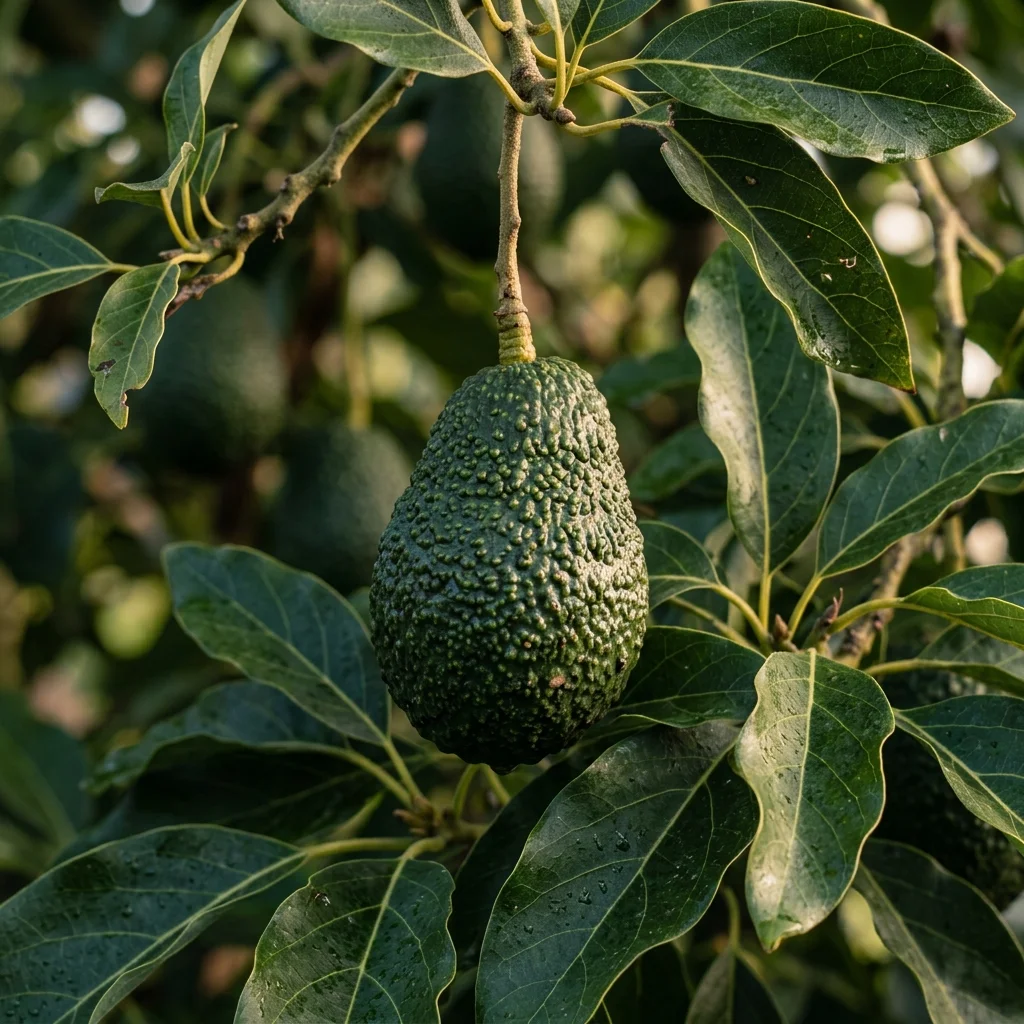
Botanical macro photography of Avocado (Persea americana) - Plant AI care database

How to Identify Avocado

Avocado (Persea americana) is a highly valued edible crop globally. Recognizing its definitive vegetative and fruit/vegetable structures is key to successful companion growing and harvesting.

  • Key Visual Features: Medium to large evergreen trees with a dense, rounded, dome-like foliage canopy.
  • Leaf & Stems: Elliptic, leathery dark green leaves with anise-like aroma when crushed; tiny green-yellow panicle flowers.
  • Fruit/Edible Part: Pear-shaped or oval drupes with thick, bumpy green-purple skin and a single large hard round seed.
💡 Plant AI Tip: Snap a photo with Plant AI to identify garden veggies and diagnose leaf spot diseases in 1 second.

Complete Growing & Harvesting Guide

Follow our detailed scientific agricultural cultivation guide to keep your Avocado thriving and high-yielding.

Water deeply once a week, allowing soil to dry slightly. Highly sensitive to waterlogging, which quickly suffocates root systems.
Prune lightly in late winter. Focus on removing dead wood, crossing branches, and skirt leaves touching the ground.
Feed mature trees with high-nitrogen organic fertilizer in spring. Supplement with zinc and iron chelate to prevent chlorosis.
Requires full sun, demanding 6 to 8 hours of direct light. Protect young tender green bark from intense afternoon sun scald.
Needs extremely fast-draining, loose sandy loam. Intolerant of clay. Build raised soil mounds if clay is present.
Plant in spring in a wind-sheltered spot. Keep rootball intact and do not bury graft union. Apply thick organic wood mulch.
Thrives in warm temperate/subtropical zones. Mexican varieties tolerate frost to -4°C, while Hass suffers leaf damage at 0°C.
Space avocado trees 15-20 feet apart to ensure ample canopy expansion and light penetration for lower fruiting branches.
Prone to avocado thrips, persea mites, and lace bugs. Apply organic horticultural oil or predatory mites to foliage.
Highly susceptible to Phytophthora Root Rot. Apply organic gypsum and maintain thick mulch to promote healthy roots.
Harvest when fruits reach full mature size. Note that avocados never ripen on the tree; pick them green and let soften indoors.

Is your Avocado leaves turning yellow, spotted or dying?

Protect your kitchen garden. Take a photo with Plant AI to diagnose pests and crop diseases instantly.

Diagnose My Crop

Common Diseases & Treatment

Phytophthora Root Rot

Symptoms: Foliage turns pale green-yellow, leaves wilt, branches die back from tips, and feeder roots turn black and brittle.

Action: Improve soil drainage immediately, apply organic mulch keeping it away from trunk, and apply potassium phosphonate proactive spray.

Avocado Sunblotch (Viroid)

Symptoms: Stems show yellow or red streaks, leaves become distorted with yellow variegation, and fruits develop sunken yellow-red scars.

Action: No cure exists. Purchase only certified viroid-free grafted stock. Sterilize pruning shears between trees.

Frequently Asked Questions

Why do my avocados fall off the tree while still hard?

Avocados must be harvested by hand while still hard. They only ripen, soften, and develop their buttery texture after being picked.

What are Type A and Type B avocados?

Avocados use a unique pollination system: Type A flowers open as female in the morning and male the next afternoon; Type B flowers do the reverse.

Can I grow Hass avocados in cold climates?

Hass is cold-sensitive (damaged below -1°C). In cold zones, plant hardy Mexican varieties like 'Bacon' or grow in greenhouse pots.

Are avocado leaves toxic to household pets?

Yes. Avocado leaves, bark, and seeds contain a toxin called persin, which is highly toxic to birds, rabbits, horses, and can cause mild stomach upset in cats and dogs.

Harvest bountiful greens. Grow healthy edibles today!

Get Started for Free