Apricot Growing & Harvesting Guide
Apricot (Prunus armeniaca) is the golden, velvety jewel of the stone fruit garden. Celebrated for its incredibly sweet, aromatically complex orange flesh, this highly ornamental deciduous tree thrives in early warmth, bringing robust summer crops.




How to Identify Apricot
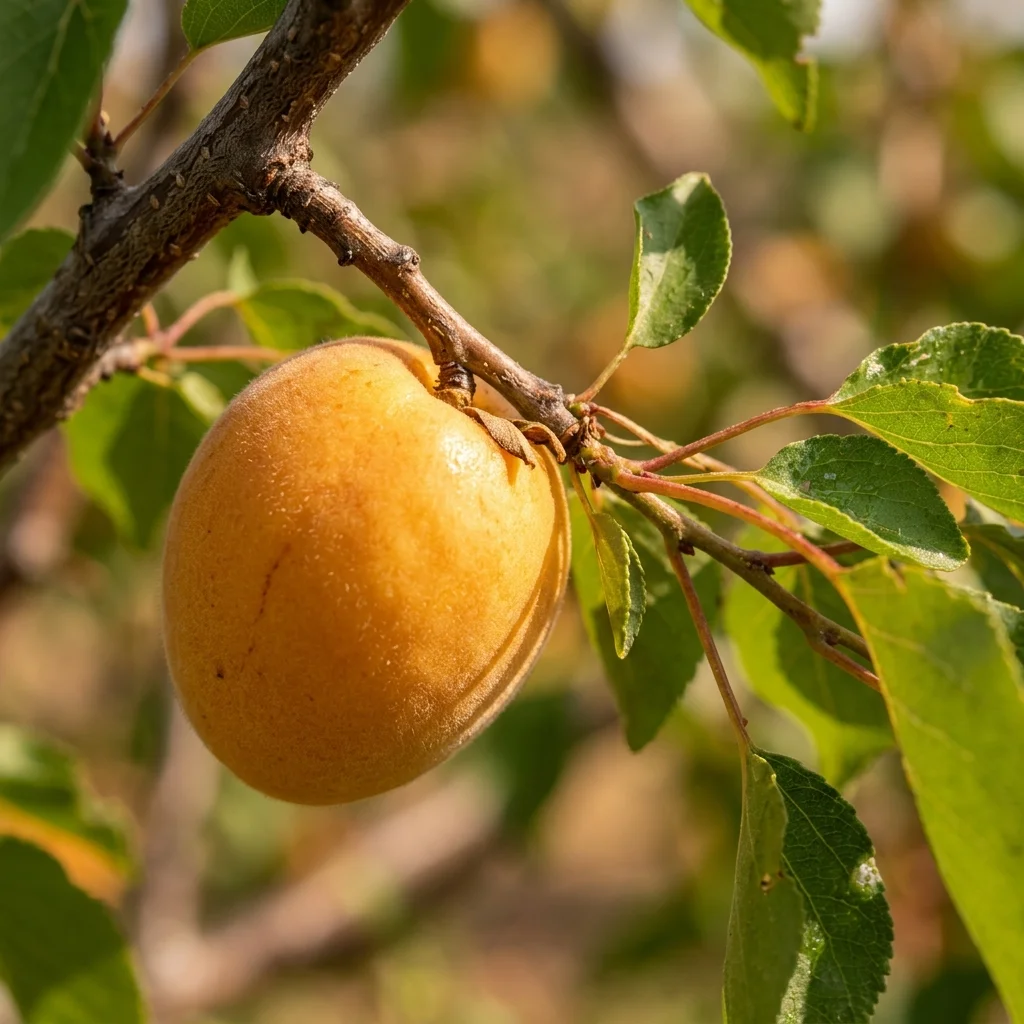
Apricot (Prunus armeniaca) is a highly valued edible crop globally. Recognizing its definitive vegetative and fruit/vegetable structures is key to successful companion growing and harvesting.
-
✔
Key Visual Features: Deciduous small trees with spreading, dense rounded canopy crowns.
-
✔
Leaf & Stems: Heart-shaped green leaves with finely pointed tips; early white-pink blossoms.
-
✔
Fruit/Edible Part: Small, velvety fuzzy yellow-orange drupes with a single smooth free-stone pit.
Complete Growing & Harvesting Guide
Follow our detailed scientific agricultural cultivation guide to keep your Apricot thriving and high-yielding.
Common Diseases & Treatment
Coryneum Blight (Shot Hole)
Symptoms: Leaves develop small purplish spots that drop out, leaving shot-holes. Fruit skins show scabby red-brown spots.
Eutypa Dieback (Bacterial Canker)
Symptoms: Branches shrivel and die back in summer. Lesions ooze amber gum, and wood under bark turns dark brown.
Frequently Asked Questions
Why did my apricot tree fail to produce fruit this year?
Apricots bloom very early. A late spring frost below -2°C will easily kill the delicate blossoms, ruining the year's crop.
Are apricots self-pollinating?
Yes! Most apricot varieties are self-fertile, meaning you do not need a second tree, though cross-pollination increases yields.
Can I grow an apricot tree in a large pot?
Yes! Choose dwarf rootstocks (like Pixy) and grow them in 15-gallon pots with plenty of drain holes and compost-rich soil.
Are apricot seeds poisonous to dogs?
Yes. Apricot kernels contain amygdalin, which breaks down into cyanide when ingested. Pits also pose a severe choking hazard.