Apple Growing & Harvesting Guide
Apple (Malus domestica), the absolute global royalty of orchard trees, is the most celebrated pome fruit in cultivation. Prize-winning for its crisp, sweet-tart round fruits, this woody deciduous species thrives under careful pruning, delivering robust autumnal rewards to gardens.



How to Identify Apple
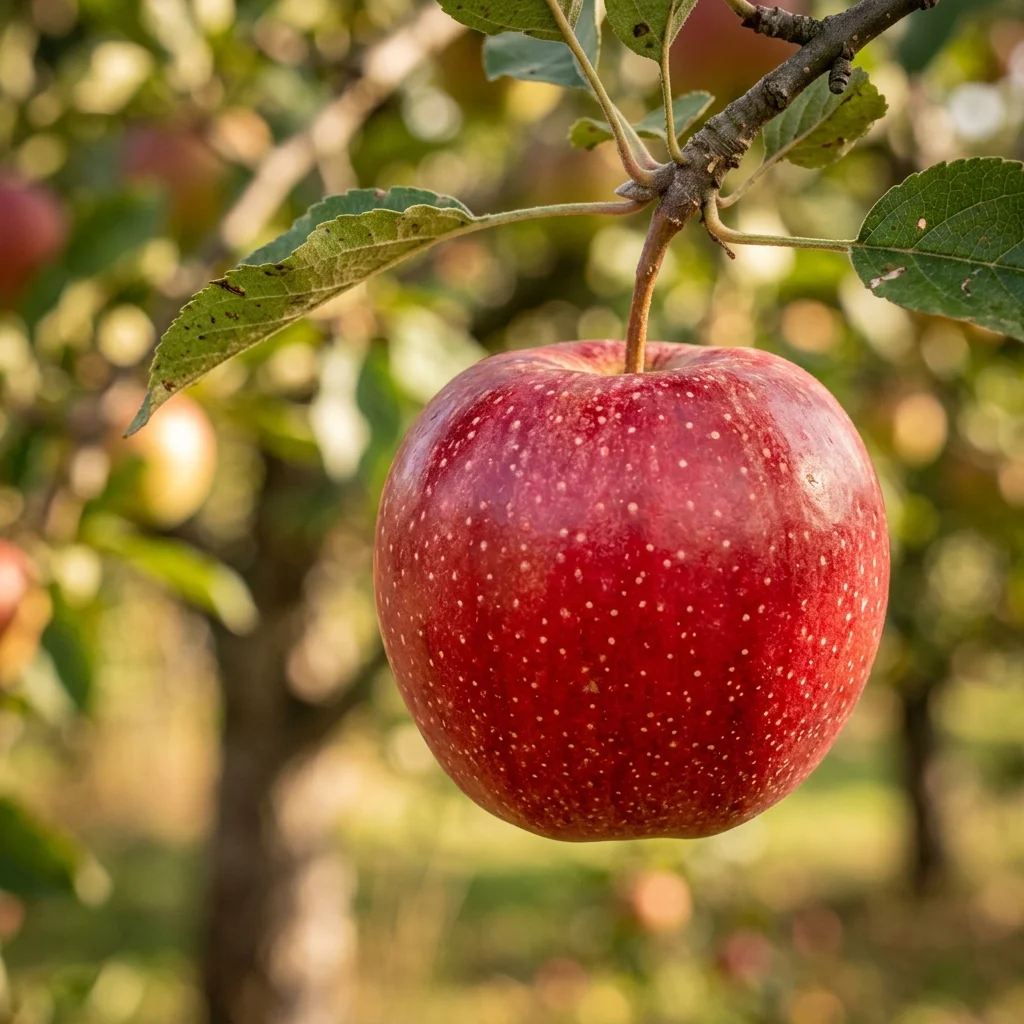
Apple (Malus domestica) is a highly valued edible crop globally. Recognizing its definitive vegetative and fruit/vegetable structures is key to successful companion growing and harvesting.
-
✔
Key Visual Features: Woody spreading deciduous orchard trees with broad, dense rounded crowns.
-
✔
Leaf & Stems: Alternate, simple oval leaves with serrated margins; pale pink-white spring blossoms.
-
✔
Fruit/Edible Part: Fleshy, round pome fruits with central seed cores, turning red, green, or yellow.
Complete Growing & Harvesting Guide
Follow our detailed scientific agricultural cultivation guide to keep your Apple thriving and high-yielding.
Common Diseases & Treatment
Apple Scab (Fungal)
Symptoms: Leaves and fruits develop velvety olive-green spots, turning corky, brown, and deeply cracked.
Fire Blight (Bacterial)
Symptoms: Blossoms and shoot tips turn deep black and shrivel rapidly, bending into a characteristic shepherd's crook shape.
Frequently Asked Questions
Why is my apple tree not producing fruit?
Apple trees require cross-pollination. Ensure you plant a compatible second apple variety nearby that blooms at the exact same time.
What are 'chill hours' for apple trees?
Chill hours are the total hours between 0°C and 7°C during winter. They are mandatory to break bud dormancy; choose varieties matching your climate.
Why are my apples falling off the tree early?
A natural 'June drop' occurs as the tree thins excess crop. Heavy summer drop is caused by severe pest damage or water stress.
Are apple seeds toxic to dogs?
Yes. Apple seeds contain amygdalin, which releases cyanide when chewed. Always core and deseed apples before feeding them to pets.