White Oak Care & Identification Guide
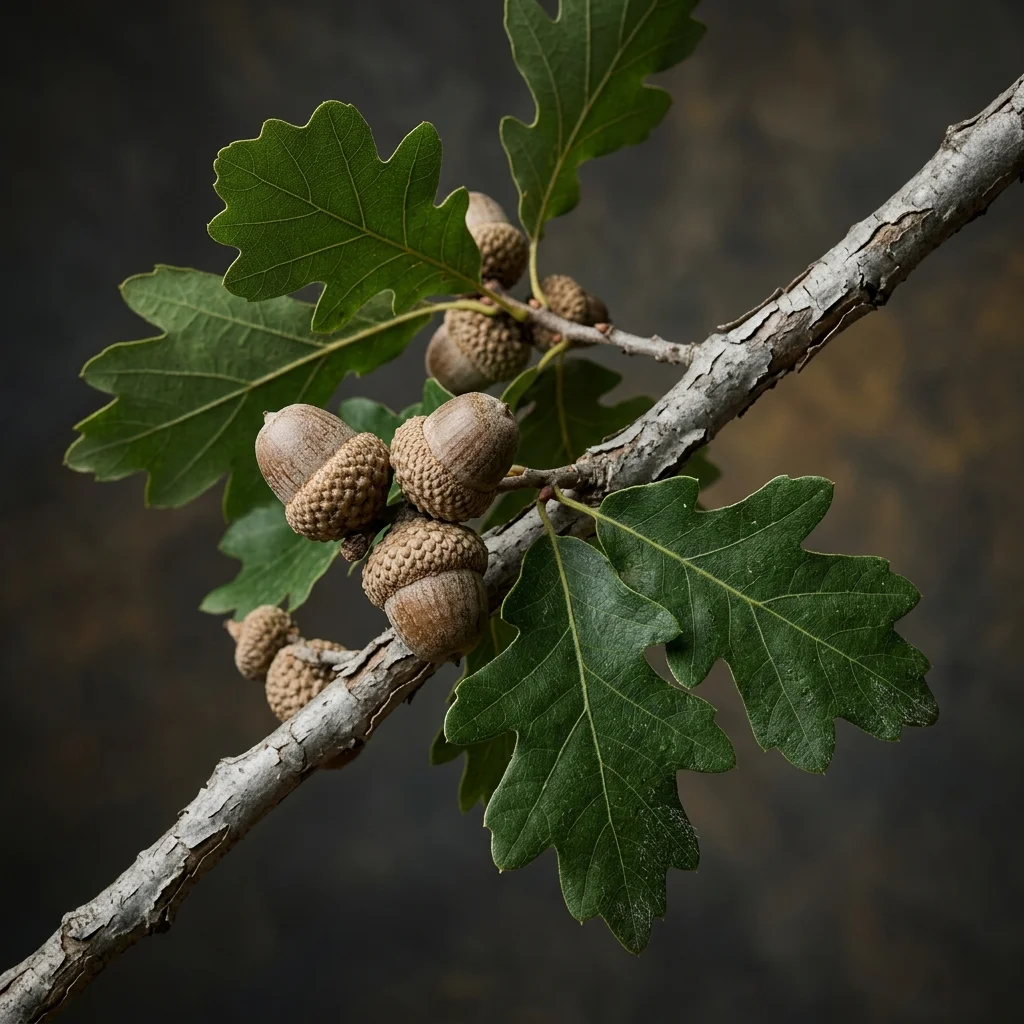
The magnificent White Oak (Quercus alba) is a colossal and highly spectacular deciduous native of Eastern North America, celebrated globally for its high timber density, extreme longevity, and ecological importance. It forms a massive horizontal crown with sweeping branches, carrying unique deeply lobed green leaves. It produces classic oval acorns nestled in distinctive, warty grey capules. To thrive, it requires deep, rich acidic loam, consistent moisture, and full direct sunlight.





How to Identify White Oak
Identify White Oak immediately by its highly distinct biological features. Native to its specific ecosystem, it showcases spectacular foliage and structural habits optimized for its environment.
-
✓
Distinctive Features: Massive horizontal crown with deeply lobed, smooth green leaves and light grey scaly or flaky trunk bark.
-
✓
Typical Coloration: Soft bright green summer foliage turning to a spectacular wine-red or deep copper-bronze in autumn.
-
✓
Potential Confusions: Similar to English Oak, but distinguished by its longer leaf stalks (petioles) and warty, non-stalked acorn caps.
11-Step Professional Care & Planting Guide
💧 【Watering & Moisture】 Water moderately. Deeply soak the root zone once a week for young trees. Established mature white oaks are highly drought-tolerant; avoid heavy summer watering around the trunk.
☀️ 【Sunlight & Exposure】 Requires full direct sun. Dislikes shade, which slows its development and causes canopy thinning.
🪴 【Ideal Soil Mix】 Prefers deep, rich, well-drained acidic soil. Blend 50% clay-loam, 30% organic peat moss, and 20% coarse sand (pH 5.5-6.5).
🌡️ 【Temperature & Winter Care】 Extremely cold-hardy (USDA Zone 3-9). Thrives in warm summers and cold, snowy winters. Needs no winter protection once established.
✂ 【Pruning & Grooming】 Prune only in late winter during dormancy to remove crossing branches and maintain structural spacing. Avoid summer pruning to prevent oak wilt disease.
🧪 【Fertilization】 Feed lightly once in early spring. Spread a thick layer of organic compost or leaf mold over the root zone under the drip line.
🏺 【Potting & Garden Planting】 Plant in spacious ground. Dig a hole 3 times the width of the root ball. Keep root flare slightly above soil line to prevent suffocation.
🌱 【Propagation】 Easily propagated by planting fresh acorns immediately in autumn. They root rapidly in winter and do not require cold stratification.
🐛 【Common Pests】 Watch for oak gall wasps or gypsy moth caterpillars. Spray manually with organic insecticidal soap or release beneficial insects.
🦠 【Common Diseases】 Highly susceptible to oak wilt fungus and root rot if grown in waterlogged heavy clay. Superior soil drainage is essential.
🎓 【Botanist Advice】 The White Oak grows a massive, deep taproot! Always plant it in its final permanent spot; mature oaks suffer severe transplant shock and dislike root disturbance.
Frequently Asked Questions
Q: Why is the White Oak highly prized?
A: Its wood is exceptionally dense, heavy, and impervious to liquids due to tyloses in the wood cells, making it the premier wood for high-end wine and whiskey barrels.
Q: Is the White Oak safe for dogs and cats?
A: Yes, Quercus alba is completely non-toxic and pet-safe for cats and dogs.
Q: Do White Oak acorns require cold stratification?
A: No! Unlike red oaks, white oak acorns germinate immediately upon falling in autumn. Plant them right away in deep pots or ground soil.
Q: How long can a White Oak live?
A: They are legendary survivors! Mature specimens can easily live 200 to 500 years in undisturbed, open woodland settings.