Sugar Maple Care & Identification Guide
The magnificent Sugar Maple (Acer saccharum) is a colossal and highly spectacular deciduous native of Eastern North America, celebrated globally for its high-sugar sap, dense oval canopy, and breathtaking autumn leaf coloration. During winter and early spring, its trunk undergoes a critical freeze-thaw cycle that generates positive pressure, driving a high-volume flow of sweet sap (containing 2% to 3% sucrose) used to distill legendary maple syrup. It requires deep, well-drained acidic loam, consistent moisture, and full sun to partial shade.





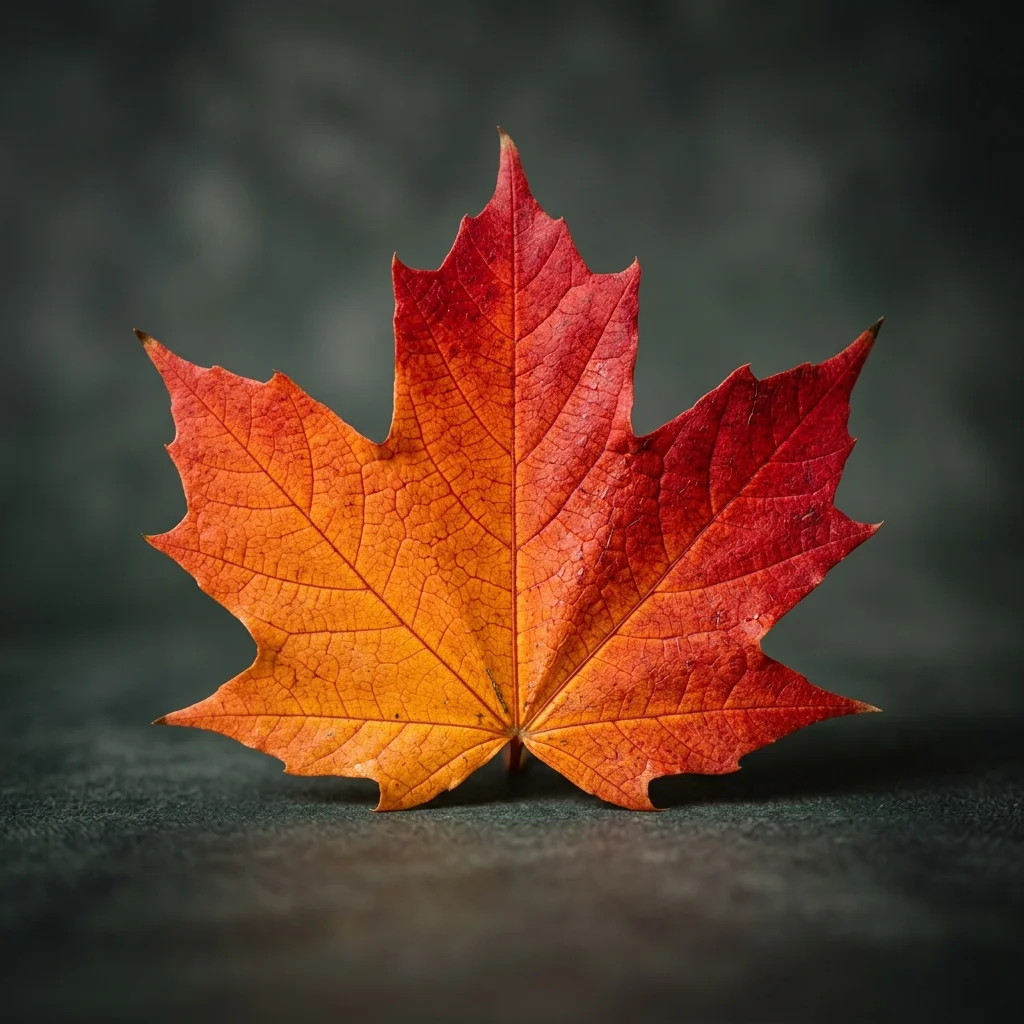
How to Identify Sugar Maple
Identify Sugar Maple immediately by its highly distinct biological features. Native to its specific ecosystem, it showcases spectacular foliage and structural habits optimized for its environment.
-
✓
Distinctive Features: Dense, symmetrical oval crown with classic five-lobed leaves showing U-shaped crotches (sinuses) and dark brownish deeply furrowed bark.
-
✓
Typical Coloration: Rich bright green in summer, turning to a breathtaking, luminous gradient of bright yellow, vibrant orange, and deep scarlet-red in autumn.
-
✓
Potential Confusions: Similar to Norway Maple, but easily distinguished by its clear leaf sap (Norway Maple has milky sap) and pointed leaf tips without long hair-like bristles.
11-Step Professional Care & Planting Guide
💧 【Watering & Moisture】 Water moderately. Deeply soak the root zone once a week for young trees. Mature established sugar maples prefer consistently moist, well-aerated soil; avoid dry soil or standing water.
☀️ 【Sunlight & Exposure】 Thrives in full direct sun to partial shade. Valued for its unique shade-tolerance when young, allowing saplings to grow under dense forest canopies.
🪴 【Ideal Soil Mix】 Requires deep, rich, organic, and well-drained acidic soil. Blend 50% clay-loam, 30% organic compost, and 20% coarse sand (pH 5.5-6.5). Dislikes alkaline or heavily compacted soils.
🌡️ 【Temperature & Winter Care】 Highly cold-hardy (USDA Zone 3-8). Extremely resilient to freezing winter snow. Needs no artificial winter protection once established.
✂ 【Pruning & Grooming】 Prune only in late autumn or mid-summer during active growth. Avoid late winter or spring pruning, as the high-pressure sap will bleed heavily from cuts.
🧪 【Fertilization】 Apply a slow-release organic balanced fertilizer in early spring under the drip line. Mulch the root zone with composted leaf mold.
🏺 【Potting & Garden Planting】 Plant in spacious ground. Dig a hole 3 times the width of the root ball, keep the root flare slightly above the soil line, and apply a 3-inch layer of organic bark mulch.
🌱 【Propagation】 Propagated by sowing winged seeds (samaras) in autumn, which require 90 to 120 days of cold, moist stratification to germinate in spring.
🐛 【Common Pests】 Watch out for aphids or cottony maple scales. Spray manually with organic neem oil or launch beneficial predatory insects.
🦠 【Common Diseases】 Susceptible to verticillium wilt or tar spot fungus. Rake and destroy fallen leaves in autumn to prevent fungal spores from overwintering.
🎓 【Botanist Advice】 The Sugar Maple has a sensitive, sprawling root system that dislikes soil compaction and lawn herbicides. Keep a wide grass-free mulched ring around its trunk.
Frequently Asked Questions
Q: How is pure maple syrup made?
A: It is distilled directly from the sap of Sugar Maple! In early spring, the tree is tapped, and the sweet sap is boiled down. It takes 40 gallons of raw sap to produce just 1 gallon of pure maple syrup.
Q: Is the Sugar Maple safe for dogs and cats?
A: Yes, Acer saccharum is completely non-toxic and pet-safe for cats and dogs.
Q: How can I tell a Sugar Maple apart from a Norway Maple?
A: The leaf petiole test is foolproof! Break a leaf stem; if it exudes a clear, watery sap, it is a Sugar Maple. If it secretes a thick, milky white sap, it is a Norway Maple.
Q: Why do the leaves turn three distinct colors in autumn?
A: It is a spectacular pigment transition! As green chlorophyll breaks down in cool, sunny autumn days, yellow xanthophylls are revealed, while bright red anthocyanin pigments are actively synthesized.