Red Oak Care & Identification Guide
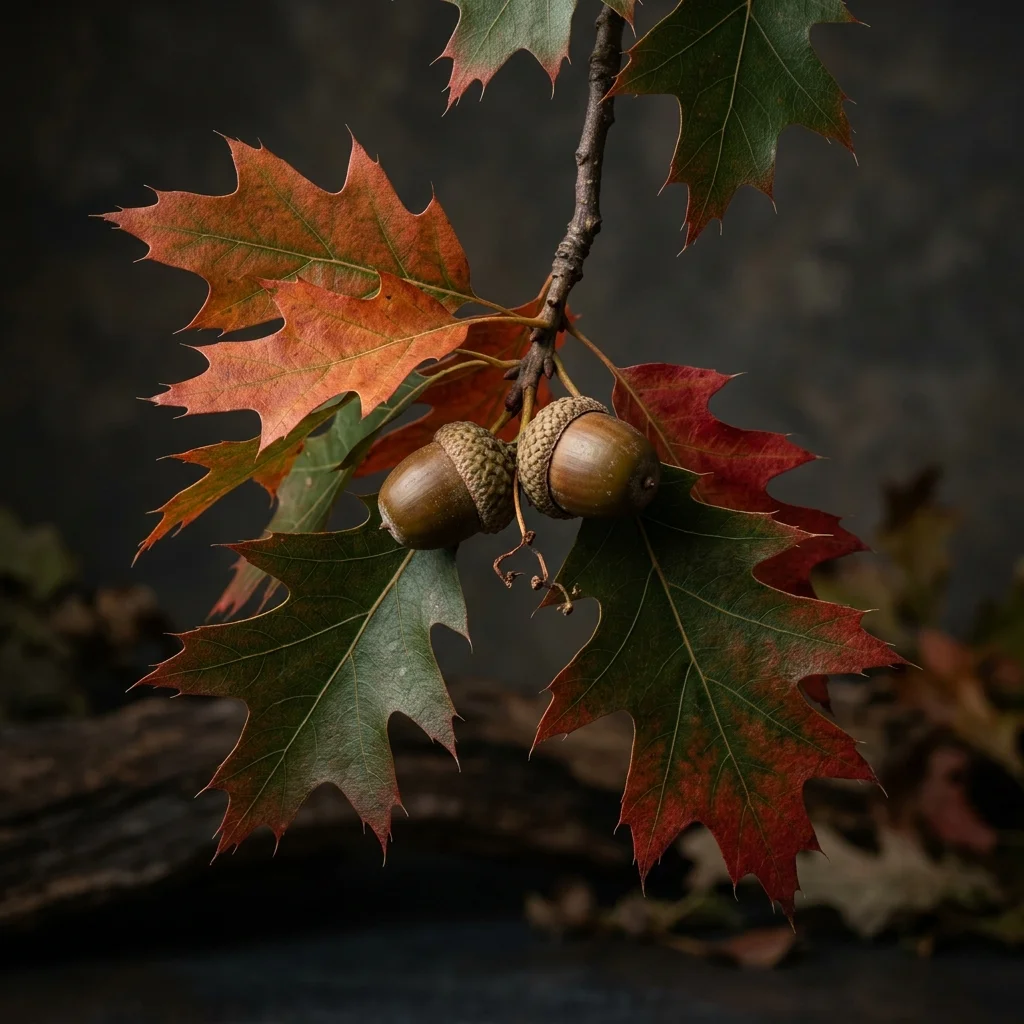
The magnificent Red Oak (Quercus rubra), also known as the Northern Red Oak, is a colossal and highly spectacular deciduous native of Eastern North America, celebrated globally for its rapid growth rate, superior hardiness, and brilliant autumn colors. It features a sweeping round canopy carrying sharp, deeply lobed leaves with tiny bristles at their tips. It produces plump acorns nestled in flat, shallow saucer-like caps. It thrives in well-drained acidic soil, full direct sun, and moderate watering.



How to Identify Red Oak
Identify Red Oak immediately by its highly distinct biological features. Native to its specific ecosystem, it showcases spectacular foliage and structural habits optimized for its environment.
-
✓
Distinctive Features: Pointed, bristle-tipped green leaves with deep sinuses, and characteristic smooth bark showing flat shiny silver-grey ridges.
-
✓
Typical Coloration: Lively bright green in summer, turning to a breathtaking, dramatic orange-red to fiery crimson in autumn.
-
✓
Potential Confusions: Similar to Pin Oak, but distinguished by its much larger leaves and broad, shallow saucer-like acorn caps.
11-Step Professional Care & Planting Guide
💧 【Watering & Moisture】 Water moderately. Deeply irrigate young trees once a week during summer. Highly drought-tolerant once established in deep ground.
☀️ 【Sunlight & Exposure】 Requires full direct sun. Highly valued as a fast-growing shade tree; needs open sky space.
🪴 【Ideal Soil Mix】 Prefers deep, rich, sandy-loam acidic soil. Blend 50% sandy loam, 30% peat moss, and 20% organic compost (pH 5.0-6.0).
🌡️ 【Temperature & Winter Care】 Extremely cold-hardy (USDA Zone 3-8). Can withstand severe winter freezes. Protect saplings from strong winter winds.
✂ 【Pruning & Grooming】 Prune only in late winter to remove dead or crossing limbs. Pruning in spring/summer is strictly prohibited to prevent oak wilt.
🧪 【Fertilization】 Apply a slow-release organic balanced fertilizer in early spring. Mulch the drip line with aged pine bark.
🏺 【Potting & Garden Planting】 Plant in deep soil. Dig a very wide hole, backfill with sand-loam, water thoroughly, and mulch with pine bark.
🌱 【Propagation】 Propagated by acorns which require 90 days of cold, wet stratification (winter chill) before they can germinate in spring.
🐛 【Common Pests】 Watch for oak skeletonizers or caterpillars. Rinse with water or spray with organic insecticidal soap.
🦠 【Common Diseases】 Highly susceptible to oak wilt. Chlorosis (yellow leaves) can occur if soil is alkaline; maintain high acidity.
🎓 【Botanist Advice】 The Red Oak is one of the fastest-growing oaks, growing up to 2 feet per year! Plant it in acidic, gritty sand-loam to maximize its brilliant red autumn display.
Frequently Asked Questions
Q: How fast does the Northern Red Oak grow?
A: It is highly valued for its speed! It is one of the fastest-growing oak species, easily growing 2 feet per year under optimal sunny conditions.
Q: Is the Red Oak safe for pets?
A: Yes, Quercus rubra is completely non-toxic and pet-safe.
Q: Why do Red Oak acorns take two years to mature?
A: This is a key botanical distinction of the red oak group! Their acorns require two full growing seasons to mature on the tree before falling.
Q: How to treat yellowing leaves (chlorosis)?
A: Yellowing leaves indicate high soil pH. Apply sulfur, peat moss, or chelated iron to lower the soil pH and restore its rich green color.