Peach Tree Care & Identification Guide
The magnificent Peach Tree (Prunus persica) is a highly spectacular deciduous orchard tree native to Northwest China, celebrated globally for its fuzzy, succulent pink-orange edible fruits and breathtaking early spring showy pink blossoms that cover the bare twigs. It features long, lanceolate, dark green leaves with finely serrated margins. It grows into a compact spreading canopy. It requires rich organic soil, full direct sun, and moderate watering. Critical Warning: The leaves, bark, and seeds contain highly toxic cyanogenic glycosides.





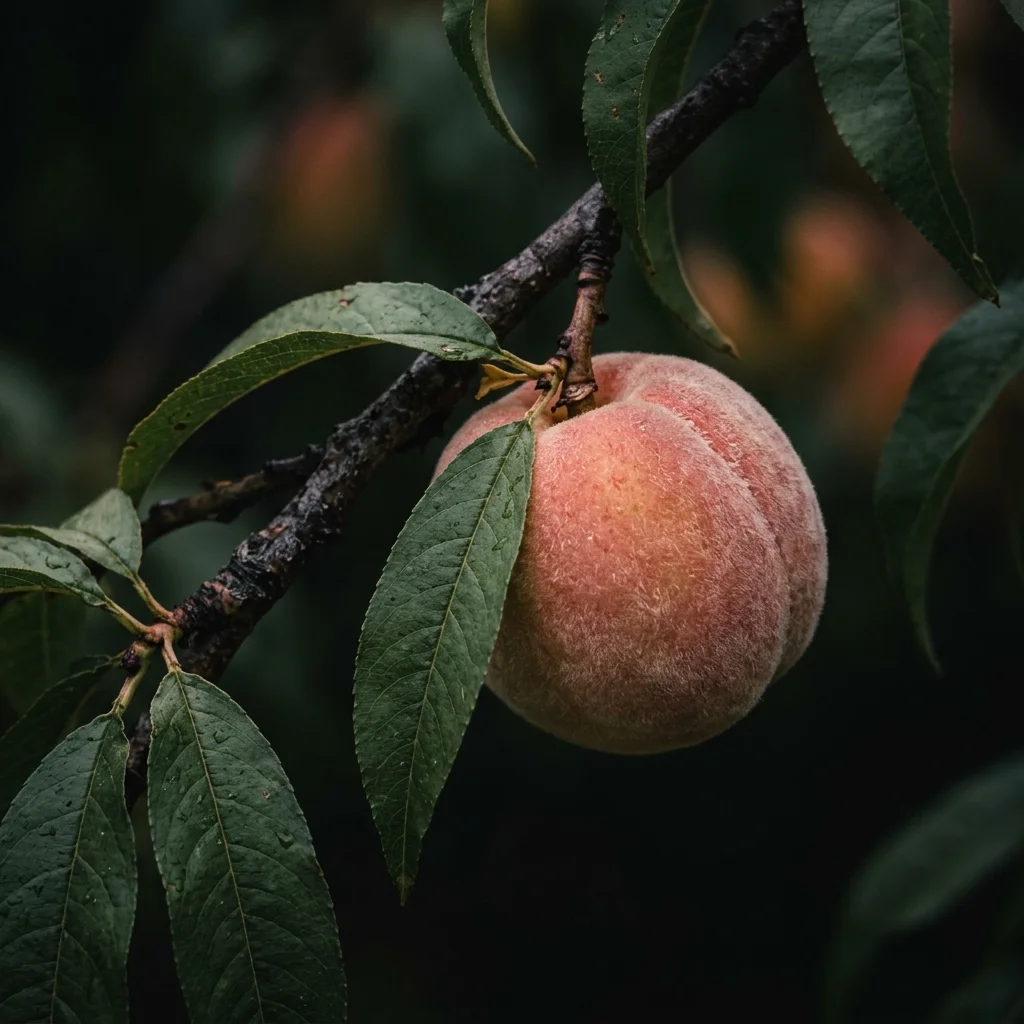
How to Identify Peach Tree
Identify Peach Tree immediately by its highly distinct biological features. Native to its specific ecosystem, it showcases spectacular foliage and structural habits optimized for its environment.
-
✓
Distinctive Features: Fuzzy pinkish-orange sweet drupe fruits, showy single pink early spring blossoms blooming directly on bare branches, and lanceolate alternate green leaves.
-
✓
Typical Coloration: Showy bright pink spring flowers, deep emerald-green summer foliage, and velvety pinkish-yellow ripe fruits.
-
✓
Potential Confusions: Similar to Nectarine Tree, but easily distinguished by its fuzzy, velvety fruit skin (Nectarines have completely smooth, fuzz-less skins).
11-Step Professional Care & Planting Guide
💧 【Watering & Moisture】 Water moderately. Prefers consistently damp, highly porous loam. Requires deep, uniform watering during fruit enlargement; avoid soggy roots.
☀️ 【Sunlight & Exposure】 Requires full direct sun. Loves open, sunny, south-facing locations. Dappled shade will severely reduce flowering, fruit size, and sugar levels.
🪴 【Ideal Soil Mix】 Requires rich, deep, organic-rich sandy loam with outstanding drainage. Blend 50% loam, 30% organic compost, and 20% coarse perlite (pH 6.0-6.8).
🌡️ 【Temperature & Winter Care】 Cold-hardy (USDA Zone 5-9). Requires 600 to 800 chilling hours below 7°C to break winter dormancy. Early spring flower buds are highly sensitive to sudden late frosts.
✂ 【Pruning & Grooming】 Prune heavily every late winter using the open-center (V-shape) method. This allows maximum sunlight to reach the inner canopy and stimulate new fruiting wood.
🧪 【Fertilization】 Feed in early spring with a slow-release organic balanced orchard fertilizer. Apply a 3-inch layer of organic wood mulch to retain root moisture.
🏺 【Potting & Garden Planting】 Plant in highly visible garden spots. Dig a wide hole twice the root ball, backfill with rich organic sandy loam, and stake firmly.
🌱 【Propagation】 Propagated exclusively by T-budding premium cultivars onto hardy rootstocks (like Lovell or Halford) in late summer.
🐛 【Common Pests】 Susceptible to peach tree borers, aphids, and plum curculio. Apply organic systemic treatments and spray with horticultural oil in late winter.
🦠 【Common Diseases】 Highly susceptible to Peach Leaf Curl fungus causing distorted, puckered reddish leaves, and brown rot of fruits. Spray copper fungicide in autumn.
🎓 【Botanist Advice】 Peach trees bear fruit exclusively on one-year-old wood! Annual pruning is absolutely essential to force the growth of new fruiting branches every year.
Frequently Asked Questions
Q: What causes peach tree leaves to pucker, curl, and turn red?
A: This is Peach Leaf Curl! It is a highly common fungal infection (Taphrina deformans) that occurs in cool, wet spring weather. It must be treated with preventive copper fungicide sprays in late autumn or early winter.
Q: Are peach pits toxic to household pets?
A: Yes, peach pits contain Amygdalin, a toxic cyanogenic compound that releases lethal hydrogen cyanide when chewed. Pits can also cause severe intestinal blockage.
Q: How fast do peach trees grow and bear fruit?
A: They grow rapidly, about 2 feet per year, and can begin bearing sweet fruits in just 2 to 4 years after grafting, though they have a relatively short life span of 15 years.
Q: Why are my peaches dropping off the tree early?
A: This is often 'June Drop'! It is a natural self-thinning process where the tree sheds excess fruits it cannot support. Ensure consistent watering and manually thin fruits early to 6 inches apart.