Olive Tree Care & Identification Guide
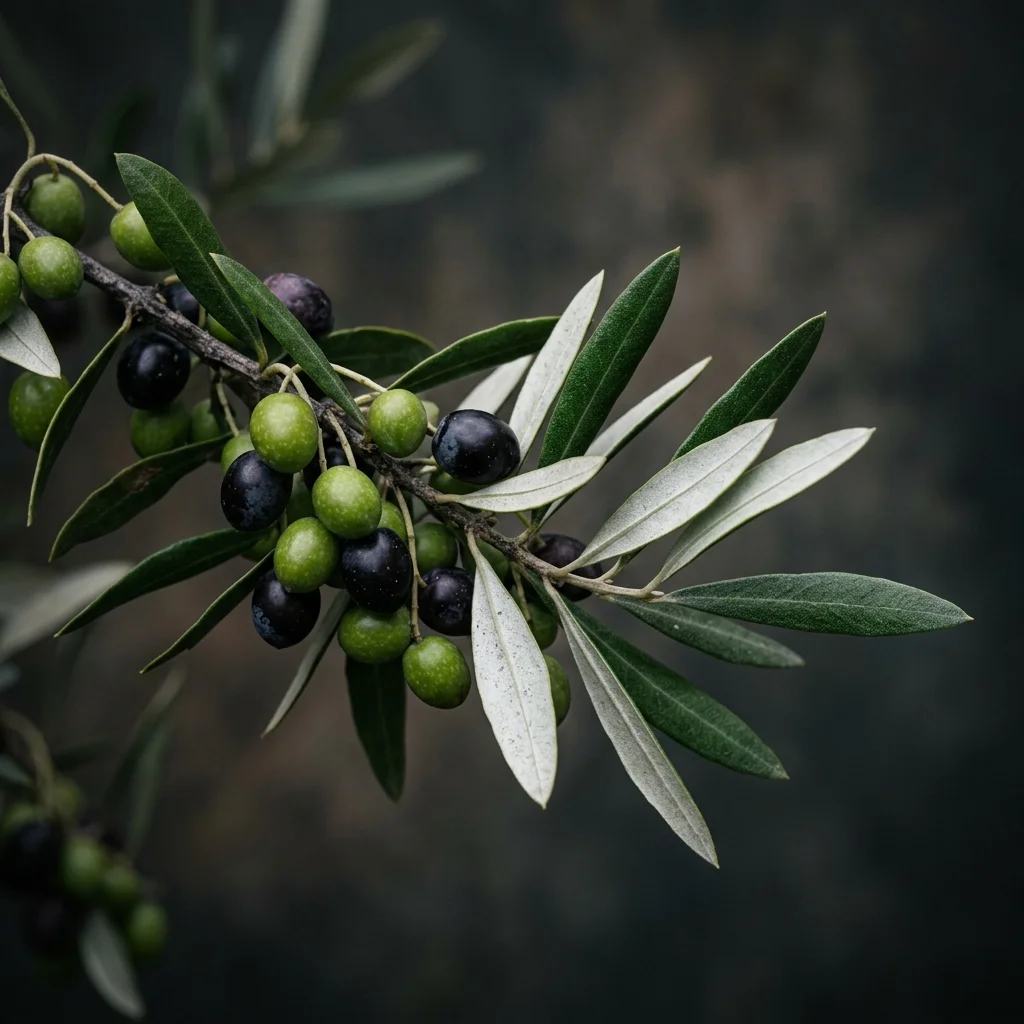
The magnificent Olive Tree (Olea europaea) is an iconic evergreen native of the Mediterranean Basin, celebrated globally for its ancient history, architectural twisted trunks, and premium oil-rich stone fruits. It features slender, lanceolate leaves with a deep green upper surface and a highly distinct, silvery-white waxy underside that reflects intense heat. This slow-growing, exceptionally long-lived tree is a symbol of peace. It requires gritty sandy loam, full direct sun, and low watering.





How to Identify Olive Tree
Identify Olive Tree immediately by its highly distinct biological features. Native to its specific ecosystem, it showcases spectacular foliage and structural habits optimized for its environment.
-
✓
Distinctive Features: Silvery-green narrow leaves with waxy white undersides, twisted artistic ancient trunk bark, and clusters of small oval green-black stone fruits.
-
✓
Typical Coloration: Shimmering silvery-green foliage, smooth grey bark turning deeply furrowed, and green drupes ripening to a rich glossy black.
-
✓
Potential Confusions: Similar to Russian Olive (Elaeagnus angustifolia), but easily distinguished by its non-thorny branches and true edible stone fruits (Russian Olive has thorny twigs and dry, mealy orange-red berries).
11-Step Professional Care & Planting Guide
💧 【Watering & Moisture】 Water sparingly. Extremely drought-tolerant once established. Water deeply but infrequently; allow the soil to dry out completely between waterings. Highly sensitive to waterlogging.
☀️ 【Sunlight & Exposure】 Requires full direct sun (minimum 6-8 hours daily). Thrives in hot, dry, sunny locations; dislikes high humidity which promotes fungal infections.
🪴 【Ideal Soil Mix】 Requires exceptionally fast-draining, gravelly or sandy loam. Blend 40% coarse sand, 30% organic loam, and 30% gravel or perlite (pH 6.5-8.0).
🌡️ 【Temperature & Winter Care】 Semi-hardy (USDA Zone 8-11). Can tolerate brief winter freezes down to -10°C. Protect container olive trees by moving them indoors during severe freezes.
✂ 【Pruning & Grooming】 Prune in late winter or early spring. Open up the center of the canopy to let sunlight penetrate, which stimulates new fruiting wood and increases air circulation.
🧪 【Fertilization】 Feed lightly in spring with a slow-release organic balanced fertilizer. Avoid excessive nitrogen, which reduces oil content and fruit production.
🏺 【Potting & Garden Planting】 Thrives in terracotta pots! Choose a wide, heavy pot with large drainage holes, backfill with gritty cactus/succulent loam, and mulch with stones.
🌱 【Propagation】 Propagated by taking semi-hardwood cuttings in summer, or by rooting suckers from the base of mature trees.
🐛 【Common Pests】 Watch for olive fruit flies, scale insects, or spider mites. Spray manually with organic neem oil or insecticidal soap.
🦠 【Common Diseases】 Susceptible to Peacock Spot fungus causing ring-like dark spots on leaves in damp winter climates, and verticillium wilt. Ensure superior drainage.
🎓 【Botanist Advice】 The shimmering silvery-green color is a brilliant heat-deflection shield! The waxy layer and tiny hairs on the leaf undersides prevent precious water vapor from escaping during hot Mediterranean winds.
Frequently Asked Questions
Q: Can I eat olives directly from the tree?
A: No! Raw olives are extremely bitter and unpalatable due to a high concentration of the phenolic compound Oleuropein. They must be cured in brine or lye for several weeks to wash out the bitterness before eating.
Q: Are Olive trees safe for dogs and cats?
A: Yes, Olea europaea is completely non-toxic and pet-safe for cats and dogs.
Q: What is Peacock Spot disease?
A: It is a highly common fungal infection (Spilocaea oleagina) that causes dark green, yellow-ringed circular spots resembling peacock feathers on the leaves, leading to severe leaf drop in wet climates.
Q: How long can an olive tree live?
A: They are legendary! Olive trees are among the oldest cultivated plants on Earth, easily living for 500 to 2,000 years, developing beautiful, twisted, and hollowed trunks with age.