Japanese Maple Care & Identification Guide
The magnificent Japanese Maple (Acer palmatum) is a highly spectacular deciduous small tree or large shrub native to Japan, celebrated globally for its delicate, deeply lobed palmate leaves, compact form, and sculptural branches. It represents the height of horticultural elegance, widely featured as a focal specimen in luxury gardens and bonsai art. It requires morning sunlight paired with afternoon dappled shade, consistent moisture, and highly porous acidic soil to prevent leaf scorch.





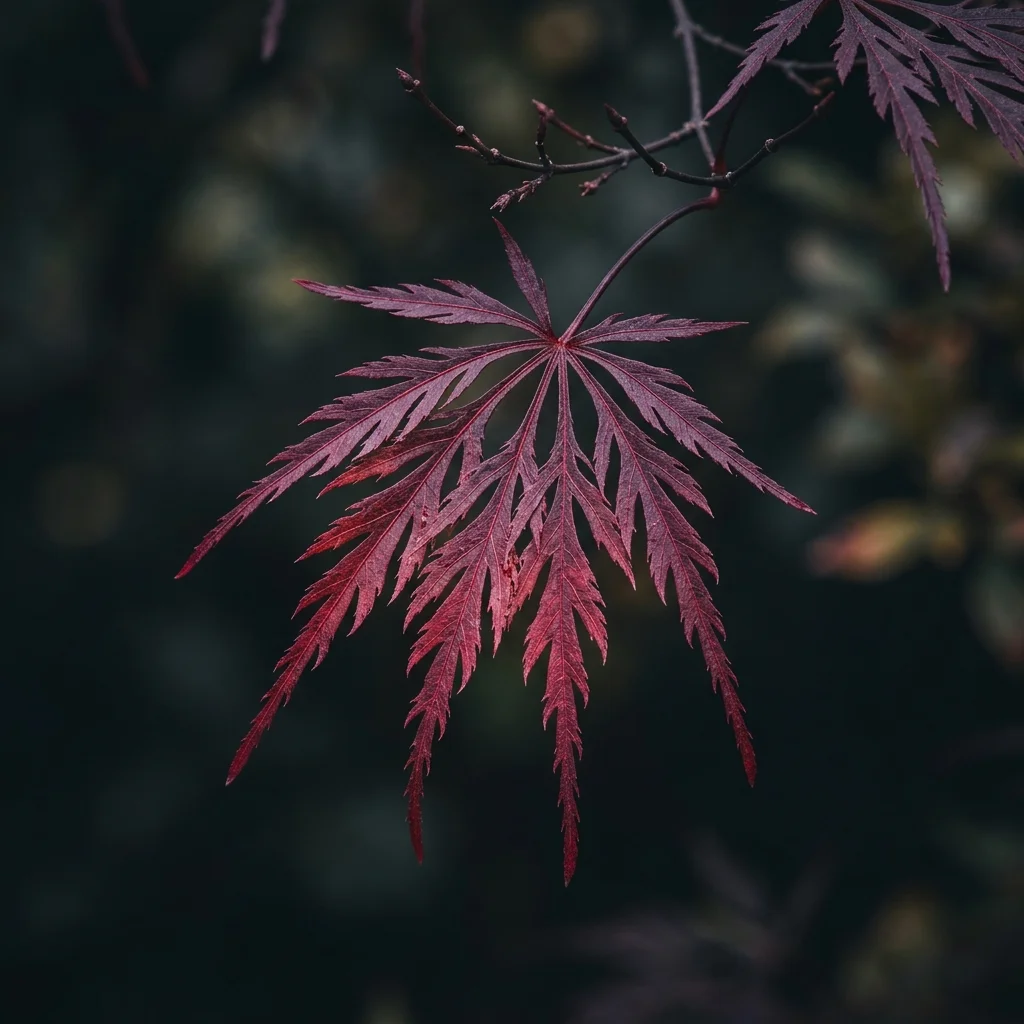
How to Identify Japanese Maple
Identify Japanese Maple immediately by its highly distinct biological features. Native to its specific ecosystem, it showcases spectacular foliage and structural habits optimized for its environment.
-
✓
Distinctive Features: Delicate, deeply cut 5-9 lobed palmate leaves with sharply double-toothed margins, a compact dome-like habit, and elegant sculptural branches.
-
✓
Typical Coloration: Rich green, deep purple, or pinkish summer foliage, turning to an incredibly brilliant orange, amber-gold, and fiery crimson in autumn.
-
✓
Potential Confusions: Similar to Amur Maple, but Japanese Maple leaves are much more deeply and delicately lobed, with lobes radiating from a single central point.
11-Step Professional Care & Planting Guide
💧 【Watering & Moisture】 Water moderately. Keep soil consistently moist but never waterlogged. Extremely sensitive to dry soil and standing water; irrigate deeply during dry summer spells.
☀️ 【Sunlight & Exposure】 Requires morning sun with dappled afternoon shade. Hot afternoon sun will scorch the delicate leaf tips, causing them to curl and dry.
🪴 【Ideal Soil Mix】 Requires highly porous, organic, and well-draining acidic soil. Blend 40% pine bark, 30% organic compost, and 30% perlite (pH 5.5-6.5).
🌡️ 【Temperature & Winter Care】 Cold-hardy (USDA Zone 5-9). Dislikes drying winter winds; apply thick mulch over the root ball. Protect early spring buds from late frosts.
✂ 【Pruning & Grooming】 Prune only in late autumn or mid-winter during dormancy. Prune sparingly to enhance its natural sculptural layered structure; avoid heavy shearing.
🧪 【Fertilization】 Feed very lightly in early spring. Avoid high-nitrogen fertilizers, which drive excessive weak growth and cause purple leaves to revert to green.
🏺 【Potting & Garden Planting】 Thrives in pots! Choose a wide container with excellent drainage holes. Backfill with bark-perlite mix, water gently, and avoid deep planting.
🌱 【Propagation】 Propagated by grafting premium cultivars onto wild Acer palmatum rootstocks in winter, or by softwood cuttings in early summer.
🐛 【Common Pests】 Watch for aphids, scale insects, or spider mites in hot weather. Treat with organic insecticidal soap or rinse leaves with water.
🦠 【Common Diseases】 Highly susceptible to verticillium wilt (a soil-borne fungus) and root rot. Good drainage and sterile pruning tools are essential.
🎓 【Botanist Advice】 Keep Japanese Maples sheltered from hot, dry summer winds and intense afternoon sun! Leaf scorch is highly ornamental-damaging but easily avoided with dappled shade.
Frequently Asked Questions
Q: Why are my Japanese Maple leaves turning brown and crispy?
A: This is leaf scorch! It is caused by hot afternoon sun, dry summer winds, or insufficient watering. Move potted plants to dappled shade, water deeply, and shelter from wind.
Q: Is the Japanese Maple safe for household pets?
A: Yes, Acer palmatum is completely non-toxic and pet-safe for cats and dogs.
Q: Can I grow a Japanese Maple in a container?
A: Absolutely! Because of its slow growth and compact, fibrous root system, it is a premier choice for premium pots, patios, and courtyard gardens.
Q: Why did my purple Japanese Maple turn green in summer?
A: This is usually caused by too much shade or excessive nitrogen fertilizer! The tree produces more chlorophyll to capture light, hiding its rich purple anthocyanin pigments.