Coast Redwood Care & Identification Guide
The magnificent Coast Redwood (Sequoia sempervirens) is a colossal and highly spectacular evergreen giant native to the foggy, damp Pacific coast of North America, celebrated as the tallest tree species on Earth. Reaching heights of over 350 feet, it showcases exceptional structural longevity, supported by a thick, fibrous, cinnamon-red bark that naturally repels insects, rot, and forest fires. To grow this coastal wonder, it requires high ambient humidity, consistent watering, cool damp summers, and deep, highly organic sandy-peaty soil.




How to Identify Coast Redwood
Identify Coast Redwood immediately by its highly distinct biological features. Native to its specific ecosystem, it showcases spectacular foliage and structural habits optimized for its environment.
-
✓
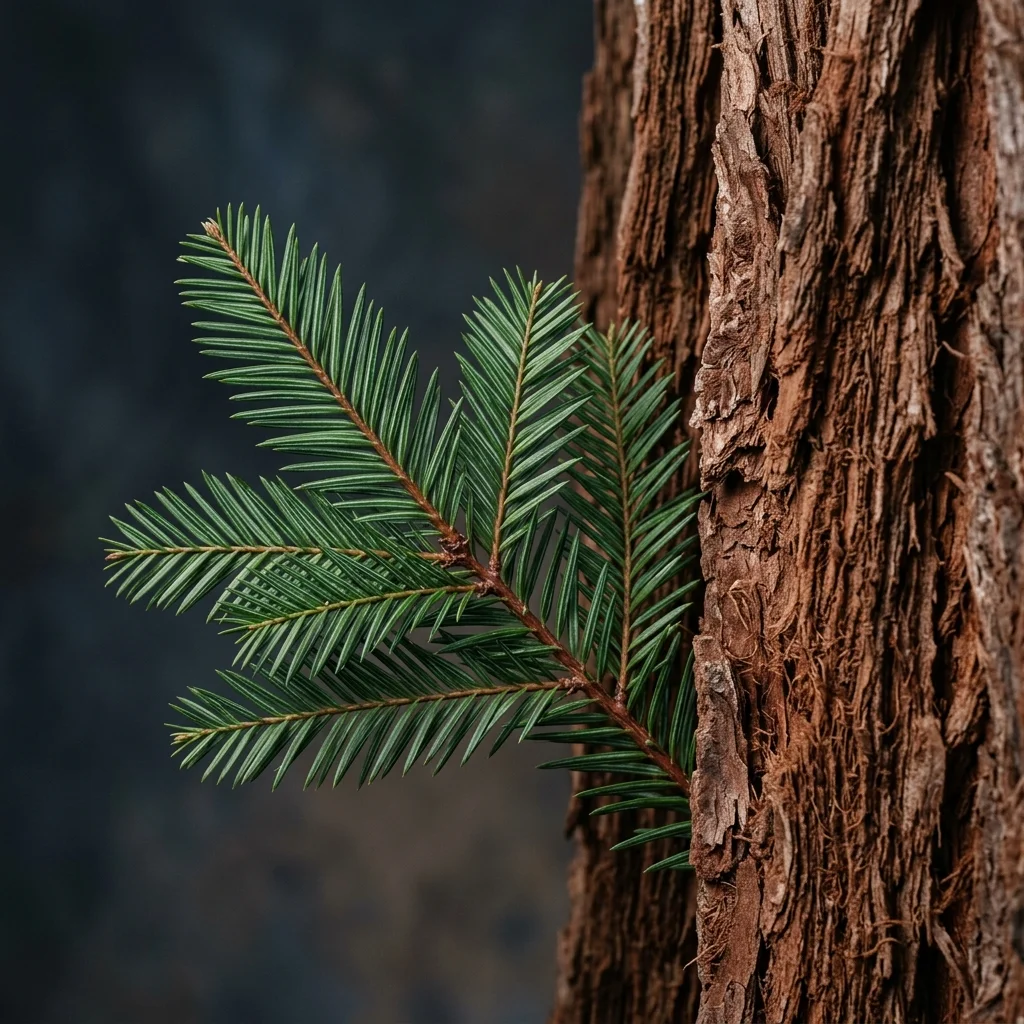
Distinctive Features: Flat evergreen needles arranged in two neat ranks (like redwood feathers), with massive thick, fibrous red-cinnamon bark.
-
✓
Typical Coloration: Vivid deep green foliage contrasting sharply with the rich copper-red to orange-brown fibrous trunk.
-
✓
Potential Confusions: Similar to Giant Sequoia, but easily distinguished by its flat feather-like needles (Giant Sequoia has scale-like, pointy leaves) and coastal habitat.
11-Step Professional Care & Planting Guide
💧 【Watering & Moisture】 Water abundantly. Requires consistently damp, moist soil. It transpires massive water; mist the foliage frequently to mimic sea fog.
☀️ 【Sunlight & Exposure】 Requires partial shade to bright filtered indirect light. Dislikes scorching midday sun which can dry its thin leaves.
🪴 【Ideal Soil Mix】 Needs deep, highly organic, acidic soil. Blend 50% peat moss, 25% organic compost, and 25% coarse sand.
🌡️ 【Temperature & Winter Care】 Mild cold-hardy (USDA Zone 7-9). Prefers cool, foggy summers and wet winters. Protect young saplings from dry winter freezes.
✂ 【Pruning & Grooming】 No structural pruning needed. Trim off dry, dead lower branches to highlight the gorgeous cinnamon-red trunk.
🧪 【Fertilization】 Feed once in early spring with a balanced liquid organic food. Avoid nitrogen overload which causes weak growth.
🏺 【Potting & Garden Planting】 Best grown in the ground. Dig a very deep, wide planting hole, mix in organic leaf mold, water deeply, and apply bark mulch.
🌱 【Propagation】 Propagated by sowing seeds harvested from small cones, or from basal stump sprouts which root easily under high humidity.
🐛 【Common Pests】 Generally highly resistant to pests due to natural tannins. Watch for red spider mites in hot, dry summers.
🦠 【Common Diseases】 Highly resistant to decay. Watch out for cankers or leaf blight if kept in stagnant, dry indoor air.
🎓 【Botanist Advice】 Coast Redwoods need humidity! If you grow them in dry climates, keep them sheltered and spray their needles with water frequently to mimic sea fog.
Frequently Asked Questions
Q: How tall can the Coast Redwood grow?
A: It is the tallest tree on Earth! In the wild fog zones of Northern California, mature specimens easily exceed 300 to 350 feet in height.
Q: Is the Coast Redwood safe for household pets?
A: Yes, Sequoia sempervirens is completely non-toxic and pet-safe.
Q: Can I grow Coast Redwood from stump sprouts?
A: Yes! Unlike most conifers, Coast Redwoods reproduce easily from sprouts at the base of the trunk, which can be divided and rooted.
Q: Why does it need high humidity?
A: Because it gets up to 30% of its moisture directly from coastal fog absorbed through its needles, protecting it from drought.